 DrugClass
How Medicine Works in Human Body
How Muscle Relaxants Work: Pharmacology and GPAT Study Guide

Neuromuscular blocking agents interrupt transmission at the motor end plate by interacting with nicotinic acetylcholine receptors. Understanding the distinction between depolarizing and non depolarizing agents alongside reversal strategies is vital for clinical therapeutics and competitive pharmacy exams.
Introduction to Neuromuscular Pharmacology
Skeletal muscle contraction is an intricate physiological process initiated by motor neurons releasing acetylcholine at the neuromuscular junction. Understanding how medications intervene in this pathway is essential for clinical practice and competitive assessments. For students curating high yield Pharmacy study notes, this guide explores the pharmacodynamics, classification, metabolism, and clinical applications of muscle relaxants.
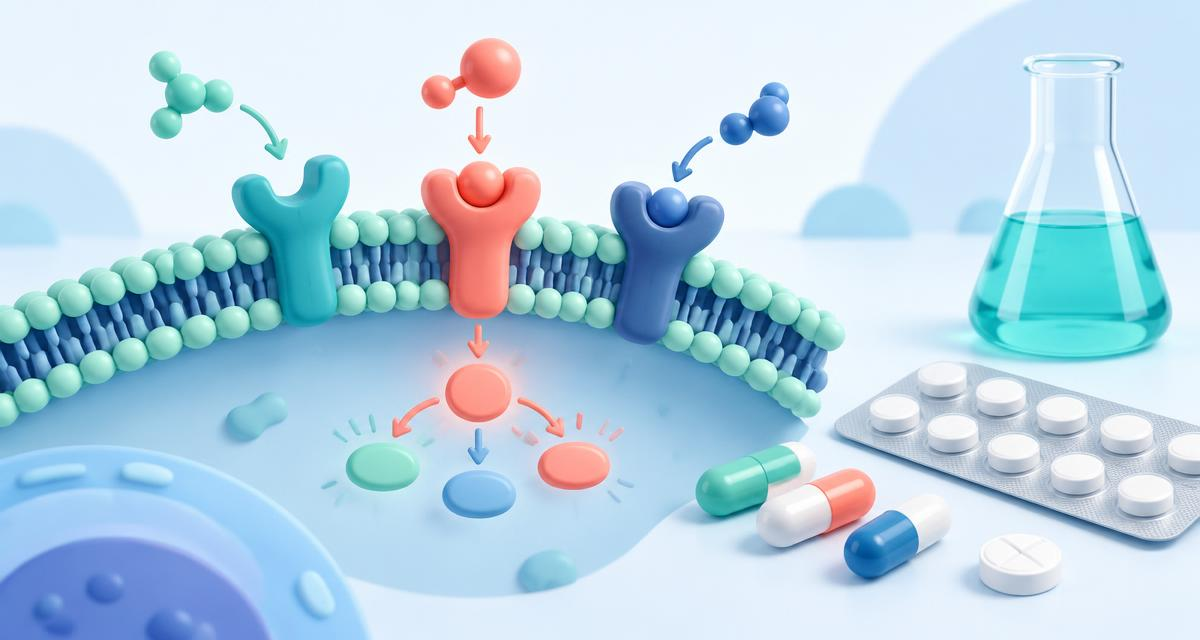
Somatic motor nerves terminate at the motor end plate, where specialized postjunctional nicotinic acetylcholine receptors of the Nm subtype reside. When an action potential reaches the nerve terminal, voltage gated calcium channels open, prompting the exocytosis of acetylcholine into the synaptic cleft. Acetylcholine binds to the two alpha subunits of the pentameric Nm receptor, opening an intrinsic channel that allows rapid influx of sodium ions. This event triggers an end plate potential that propagates along the sarcolemma, causing calcium release from the sarcoplasmic reticulum and culminating in muscle contraction.
Drugs that act on skeletal muscle function are broadly divided into peripherally acting neuromuscular blockers, direct acting agents, and centrally acting spasmolytics. Mastering their distinct actions provides an undeniable advantage during GPAT preparation.
Peripherally Acting Neuromuscular Blockers
Neuromuscular blocking agents interfere with neurotransmission at the neuromuscular junction to produce temporary muscle paralysis. These drugs are indispensable adjuncts in general anesthesia, facilitating endotracheal intubation and preventing patient movement during critical surgical procedures.
Depolarizing Neuromuscular Blockers
Depolarizing blockers mimic the action of acetylcholine by binding to and activating Nm receptors, but they persist in the synaptic cleft for an extended duration. Succinylcholine, also referred to as suxamethonium, is the sole clinically utilized depolarizing agent.
- Mechanism of Action: Succinylcholine produces a biphasic block. In Phase I block, the drug binds the Nm receptor and generates persistent depolarization of the motor end plate. This causes initial muscle fasciculations followed quickly by flaccid paralysis because voltage gated sodium channels become inactivated and cannot reset. In Phase II block, prolonged exposure alters receptor sensitivity, causing the membrane to repolarize while remaining desensitized to acetylcholine, closely mimicking a competitive blockade.
- Metabolism: Succinylcholine is rapidly hydrolyzed by plasma pseudocholinesterase, also known as butyrylcholinesterase. Only a minute fraction of the administered dose reaches the neuromuscular junction, explaining its ultrashort duration of action of approximately five to ten minutes.
- Clinical Toxicity: Individuals with genetic deficiencies or atypical variants of pseudocholinesterase experience prolonged apnea lasting several hours. Succinylcholine can also cause life threatening hyperkalemia due to sustained potassium efflux from depolarized muscle cells, an elevated risk in burn victims, crush injury patients, and denervated muscle states. Furthermore, succinylcholine is a potent trigger for malignant hyperthermia when combined with volatile halogenated anesthetics.
Non Depolarizing Competitive Blockers
Non depolarizing agents act as competitive antagonists at postjunctional Nm receptors. They block acetylcholine from binding without triggering channel opening or initial depolarization.
These agents are classified based on their chemical architecture into benzylisoquinolines and aminosteroids.
Benzylisoquinoline Derivatives
- Tubocurarine: The historical prototype isolated from South American arrow poisons. It has largely been abandoned in modern practice due to significant histamine release, resulting in bronchospasm, flushing, and profound hypotension.
- Atracurium: A widely used intermediate acting agent. Atracurium uniquely undergoes Hoffmann elimination, a spontaneous non enzymatic chemical breakdown occurring at physiological body temperature and blood pH. This feature makes it exceptionally safe for patients with renal or hepatic impairment. A breakdown byproduct, laudanosine, can cross the blood brain barrier and precipitate seizures if accumulated.
- Cisatracurium: An active stereoisomer of atracurium that is three to four times more potent. It produces negligible histamine release and generates far less laudanosine while retaining organ independent Hoffmann degradation.
- Mivacurium: A short acting benzylisoquinoline metabolized by plasma cholinesterase, though its duration is slightly longer than succinylcholine.
Aminosteroid Derivatives
- Pancuronium: A long acting aminosteroid blocker. It possesses moderate vagolytic activity, blocking cardiac muscarinic M2 receptors and leading to tachycardia.
- Vecuronium: An intermediate acting blocker with minimal cardiovascular side effects and zero significant histamine release. It is eliminated predominantly via hepatic biliary pathways.
- Rocuronium: Known for its rapid onset of action, typically within sixty to ninety seconds, making it an excellent alternative to succinylcholine for rapid sequence endotracheal intubation. It is primarily excreted unchanged by the liver into bile.
Reversal of Neuromuscular Blockade
Terminating competitive neuromuscular blockade is critical for restoring independent respiratory function post surgery.
Anticholinesterases
Administering reversible acetylcholinesterase inhibitors such as neostigmine or edrophonium elevates endogenous acetylcholine levels at the motor end plate. The excess acetylcholine displaces the competitive blocker from Nm receptors, restoring muscle tone. Because acetylcholinesterase inhibitors also augment acetylcholine at muscarinic receptors, they must be coadministered with an antimuscarinic drug like glycopyrrolate or atropine to prevent bradycardia, salivation, and bronchoconstriction. Note that neostigmine is contraindicated in Phase I succinylcholine block, as it worsens paralysis by prolonging depolarization.
Cyclodextrin Scavenger: Sugammadex
Sugammadex represents a groundbreaking pharmacological advance. It is a modified gamma cyclodextrin designed to encapsulate steroidal muscle relaxants, displaying the highest affinity for rocuronium followed by vecuronium. Sugammadex binds free drug in the bloodstream, creating an inactive guest host complex. This steep concentration gradient draws rocuronium away from the neuromuscular junction into the plasma, reversing profound paralysis within minutes without interacting with cholinergic receptors.
Direct and Centrally Acting Muscle Relaxants
Apart from surgical paralysis, muscle hypertonicity and spasticity arise in conditions like cerebral palsy, multiple sclerosis, and acute musculoskeletal trauma.
- Dantrolene: A direct acting skeletal muscle relaxant. It binds to the ryanodine receptor channel 1 on the sarcoplasmic reticulum, inhibiting intracellular calcium release. Dantrolene is the drug of choice for treating malignant hyperthermia and neuroleptic malignant syndrome.
- Baclofen: A centrally acting GABA B receptor agonist. Activation of metabotropic GABA B receptors increases potassium conductance, hyperpolarizing motor neurons within the spinal cord and dampening mono and polysynaptic reflexes.
- Diazepam: Facilitates GABA A transmission, amplifying central presynaptic inhibition.
- Tizanidine: An alpha 2 adrenergic receptor agonist in the spinal cord that enhances presynaptic inhibition of motor neurons, reducing spasticity with fewer sedative effects than diazepam.
High Yield Pharmacology Cheat Sheet for Exams
For students preparing for B.Pharm exams, NIPER entrance tests, and national pharmacy licensure, committing key associations to memory is crucial:
- Hoffmann Elimination: Exhibited by atracurium and cisatracurium.
- Atypical Pseudocholinesterase Test: Dibucaine number determines pseudocholinesterase phenotypic function.
- Rapid Sequence Intubation Choice: Succinylcholine or Rocuronium.
- Specific Reversal Pair: Rocuronium reversed rapidly by Sugammadex.
- Malignant Hyperthermia Antidote: Dantrolene sodium.
Reviewing these pharmacological distinctions strengthens core concepts and ensures complete mastery over motor end plate pharmacology.
Summary
Muscle relaxants are categorized into depolarizing blockers, non depolarizing competitive antagonists, direct acting agents, and centrally acting spasmolytics. Succinylcholine induces transient fasciculations followed by persistent inactivation of sodium channels, while non depolarizing agents competitively block acetylcholine from activating Nm receptors. Accurate clinical application requires understanding spontaneous elimination, selective encapsulation reversal by sugammadex, and proper intervention for emergency syndromes like malignant hyperthermia.
Test Yourself: 3 MCQs
1. Which neuromuscular blocking drug undergoes spontaneous non enzymatic degradation at physiological pH and temperature, a process termed Hoffmann elimination?
2. Which reversal agent acts by forming a direct inclusion complex with rocuronium to rapidly terminate neuromuscular blockade?
3. Dantrolene sodium is life saving in malignant hyperthermia because it exerts which specific pharmacological action?
Take Free Test on this Topic
Check what you learned with quick GPAT-style questions.
Start Free Test →Unlock all 14 Classifications and 50+ Mock Tests with our Lifetime Pro plan.
Unlock NowFor educational use only — not medical advice. Always check doses with current prescribing information.