 DrugClass
Drug Salts
How Paracetamol Works: Salt Composition, Uses & Dose
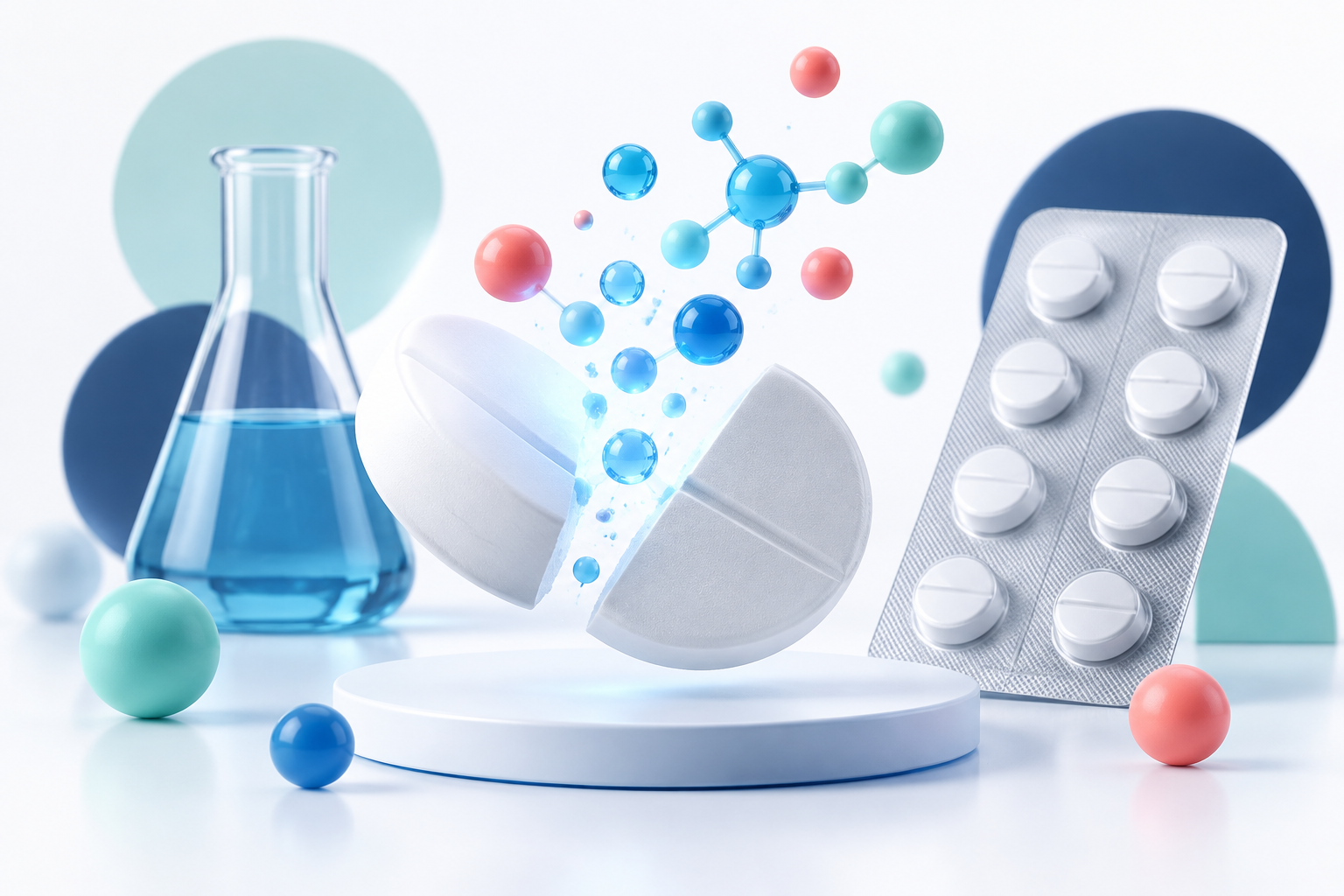
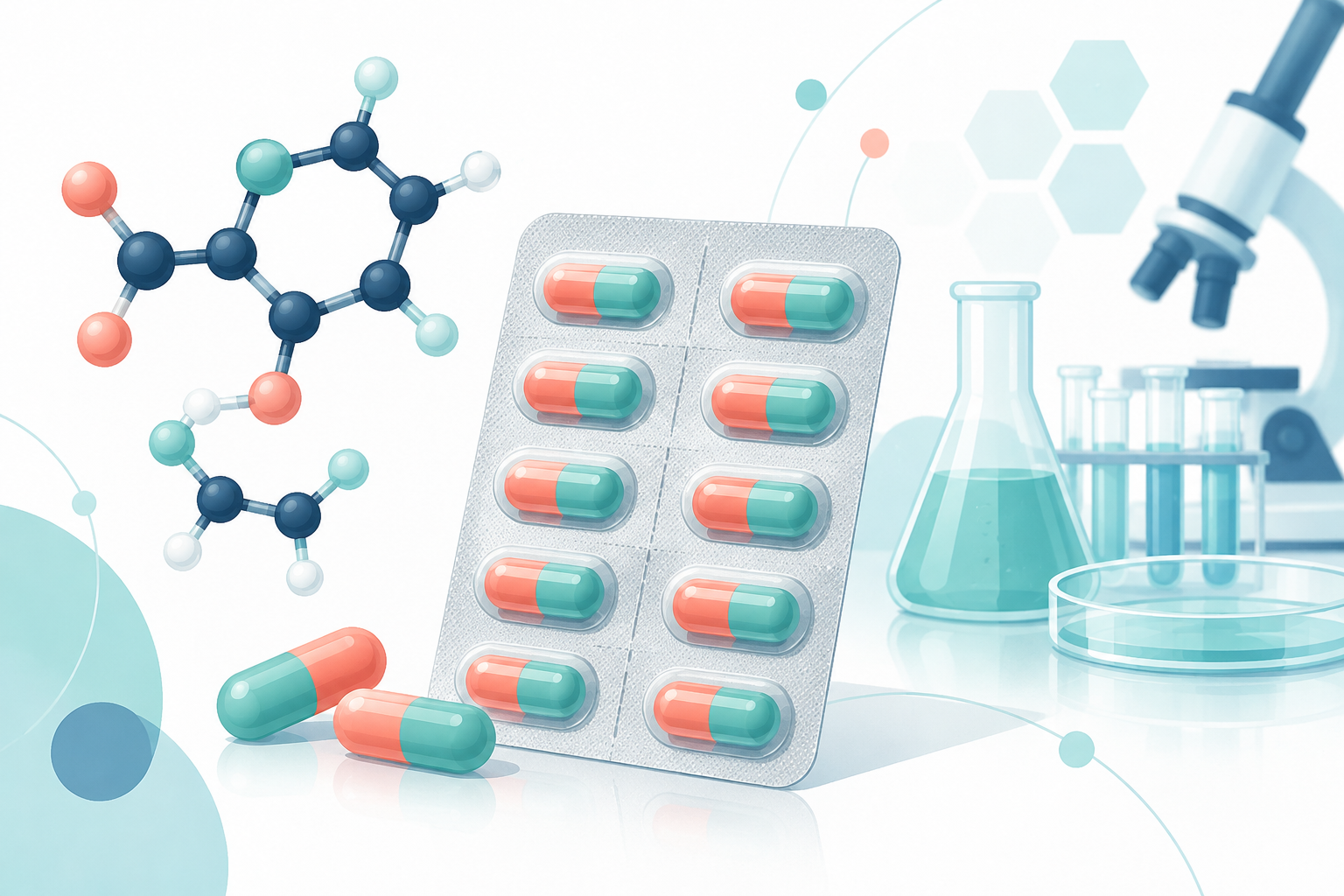
Paracetamol is one of the most common pain relievers and fever reducers in the world. It belongs to the p-aminophenol class and works mainly inside the central nervous system. This guide explains its chemical salt, mechanism, safe dosage, and key GPAT exam concepts.
What is it?
Paracetamol is a widely used medicine across the globe. It is also known as Acetaminophen in the United States.
Doctors classify Paracetamol as an analgesic (painkiller) and an antipyretic (fever reducer). Unlike traditional Non-Steroidal Anti-Inflammatory Drugs (NSAIDs) such as Ibuprofen, Paracetamol has very weak anti-inflammatory properties. Because of this, it does not reduce swelling or redness in peripheral tissues.
It is considered a first-line drug for mild-to-moderate pain. It is safe for children, adults, and pregnant women when used at standard doses.
Salt and Composition
Chemical Salt and Structure
- Generic Name: Paracetamol (INN) or Acetaminophen (USAN)
- Chemical Name: N-(4-hydroxyphenyl)acetamide or N-acetyl-p-aminophenol (APAP)
- Chemical Class: Para-aminophenol derivative
- Molecular Formula: C₈H₉NO₂
- Molecular Weight: 151.16 g/mol
Paracetamol is synthesized by the acetylation of p-aminophenol with acetic anhydride. It is a white, odorless crystalline powder with a slightly bitter taste.
Common Formulations and Strengths
Paracetamol comes in many pharmaceutical dosage forms:
- Oral Tablets: 325 mg, 500 mg, and 650 mg.
- Oral Suspension / Syrups: 120 mg / 5 mL and 250 mg / 5 mL for pediatric use.
- Intravenous (IV) Infusion: 1000 mg (1 g) in 100 mL vials for rapid post-operative pain relief.
- Suppositories: 80 mg, 170 mg, and 325 mg for rectal delivery.
Popular Brand Examples
- India: Crocin, Dolo-650, Calpol, Pacimol.
- International: Tylenol, Panadol.
Dose Chart
Always follow standard dosing guidelines to avoid hepatic toxicity.
| Drug / Form | Adult Dose | Child Dose |
|---|---|---|
| Paracetamol Tablet (Oral) | 500 mg to 1000 mg every 4 to 6 hours (Max: 4000 mg/day) | Not recommended in adult tablet strength for small children |
| Paracetamol Syrup / Suspension | Not typically used for adults | 10 to 15 mg/kg per dose every 4 to 6 hours (Max: 60 mg/kg/day) |
| Paracetamol IV Infusion | 1000 mg every 6 hours given over 15 minutes (Max: 4000 mg/day) | 15 mg/kg per infusion (for children weighing > 10 kg) |
| Paracetamol Rectal Suppository | 500 mg to 1000 mg every 6 hours | 15 to 20 mg/kg every 6 to 8 hours |
How it Works in the Human Body
Paracetamol works primarily in the central nervous system (CNS) rather than peripheral tissues.
Tissue Injury / Fever Stimulus (Pyrogens)
                  │
                  ▼
CNS Cyclooxygenase (COX) Activation
                  │
                  ▼
    Inhibited by Paracetamol
                  │
                  ▼
    Decreased PGE2 Production
                  │
       ┌──────────┴──────────┐
       ▼                     ▼
Hypothalamus Reset     Pain Signal Blocked
 (Fever Drops)          (Analgesia)
Step 1: Central COX Inhibition
In the body, the cyclooxygenase (COX) enzyme converts arachidonic acid into prostaglandins. Prostaglandins cause pain, fever, and inflammation. Paracetamol acts as an inhibitor of COX enzymes (mainly COX-1 and COX-2) primarily in the brain and spinal cord.
Step 2: Why it Does Not Reduce Swelling
Peripheral inflamed tissues contain high levels of peroxides. These cellular peroxides destroy the active inhibitory state of Paracetamol. Because of this, Paracetamol fails to block COX in peripheral tissues. Thus, it relieves pain without curing peripheral inflammation.
Step 3: Antipyretic Action in the Hypothalamus
When bacteria or viruses attack, immune cells release endogenous pyrogens (like Interleukin-1). These pyrogens trigger Prostaglandin E2 (PGE2) synthesis in the preoptic area of the anterior hypothalamus. PGE2 increases the hypothalamic thermostat set-point, causing fever.
Paracetamol crosses the blood-brain barrier and halts PGE2 synthesis in the hypothalamus. This resets the thermostat back to normal. The body cools down by:
- Dilating peripheral blood vessels in the skin (cutaneous vasodilation).
- Increasing sweat production (diaphoresis).
Step 4: Modulating Descending Pain Pathways
Paracetamol also stimulates descending serotonergic inhibitory pathways in the spinal cord. It may also interact with the endogenous cannabinoid system via its active CNS metabolite, AM404. This prevents pain signals from reaching higher brain centers.
Side Effects
Paracetamol is safe at therapeutic doses, but misuse causes serious reactions.
- Hepatotoxicity (Liver Damage): This is the most dangerous side effect. It occurs during acute overdose or in chronic alcoholics.
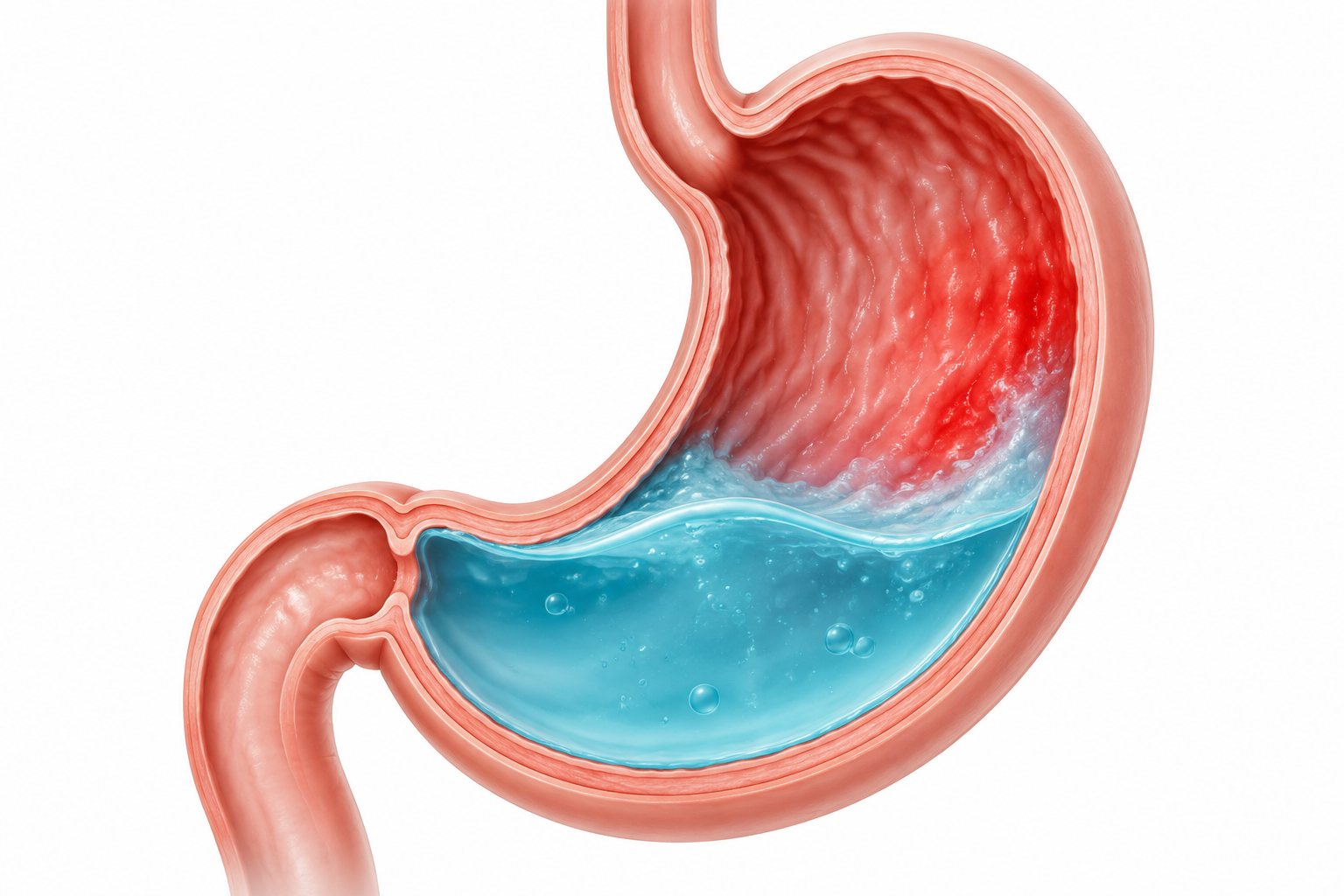
- Nausea and Epigastric Discomfort: Mild stomach irritation can occur, though it is much lower than with Aspirin.
- Allergic Reactions: Rare skin rashes, urticaria, or Stevens-Johnson syndrome (SJS).
- Analgesic Nephropathy: Long-term daily overuse can damage renal papillary tissues.
3 Important Exam Points for GPAT
- Toxic Metabolite and Cytochrome P450: At normal doses, 80-90% of Paracetamol undergoes glucuronidation and sulfation. A small portion (5-10%) is metabolized by CYP2E1 into a highly toxic, electrophilic intermediate called NAPQI (N-acetyl-p-benzoquinone imine). Glutathione neutralizes NAPQI. In overdose, glutathione runs out, and NAPQI binds covalently to liver cell proteins, causing hepatic necrosis.
- Specific Antidote: The specific antidote for Paracetamol poisoning is N-Acetylcysteine (NAC). NAC acts as a glutathione precursor and replenishes hepatic glutathione stores. It also directly binds NAPQI.
- Chemical Starting Material: For pharmaceutical synthesis questions, note that Paracetamol is synthesized from p-aminophenol or p-nitrophenol via reduction followed by acetylation using acetic anhydride.
3 MCQs
Question 1
Which toxic intermediate is responsible for Paracetamol-induced hepatotoxicity?
A) N-acetyl-p-aminophenol
B) N-acetyl-p-benzoquinone imine (NAPQI)
C) Para-aminophenol
D) Homogentisic acid
Answer: B
Question 2
Why does Paracetamol lack significant anti-inflammatory action in peripheral joints?
A) It is rapidly excreted by the kidneys
B) It cannot bind to plasma albumin
C) High peroxide concentrations in inflamed tissues inactivate its inhibitory action
D) It only blocks lipoxygenase enzymes
Answer: C
Question 3
What is the pharmacological antidote of choice for Paracetamol overdose?
A) Naloxone
B) Atropine sulfate
C) Flumazenil
D) N-Acetylcysteine
Answer: D
FAQs
Is Paracetamol an NSAID?
Paracetamol is often grouped with NSAIDs because it treats pain and fever. However, pharmacologically, it lacks significant peripheral anti-inflammatory action. Therefore, textbooks classify it as an atypical NSAID or a non-opioid analgesic and antipyretic.
What is the maximum daily limit of Paracetamol for adults?
The maximum recommended daily dose for a healthy adult is 4000 mg (4 grams) in a 24-hour period. In patients with liver disease or chronic alcohol use, the daily limit should not exceed 2000 mg.
How quickly does Paracetamol start working?
Oral Paracetamol tablets show quick absorption from the small intestine. It starts relieving pain and reducing fever within 30 to 45 minutes, reaching peak plasma concentration in about 1 hour.
Take Free Test on this Topic
Check what you learned with quick GPAT-style questions.
Start Free Test →Unlock all 14 Classifications and 50+ Mock Tests with our Student Pro plan.
Unlock NowFor educational use only — not medical advice. Always check doses with current prescribing information.