DrugClass
Human Body & Drugs
Blood Pressure Regulation in Body: GPAT Pharmacology Notes
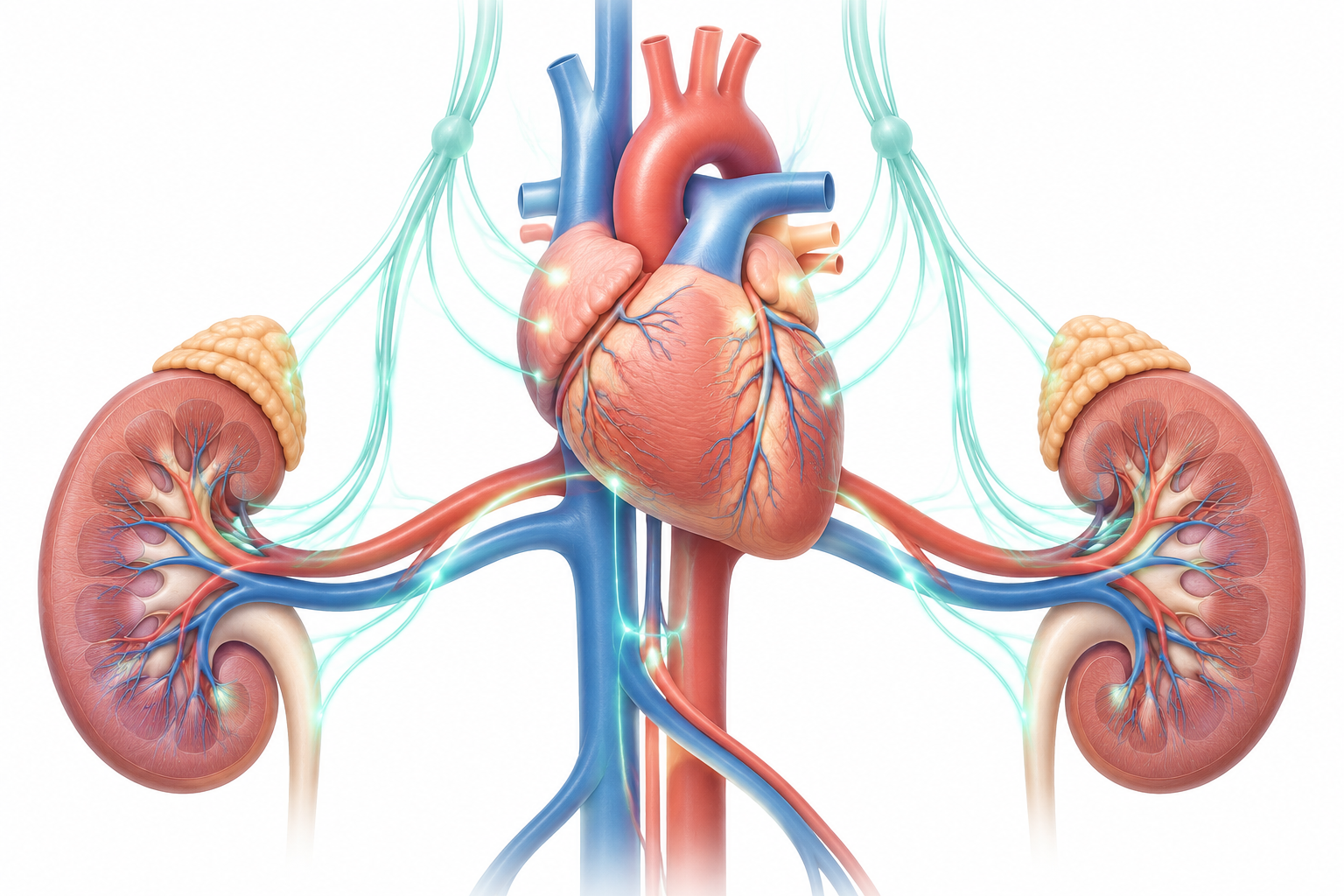
Blood pressure regulation is a vital physiological process controlled by neural and hormonal pathways. The body maintains arterial pressure through the fast baroreceptor reflex and the sustained Renin-Angiotensin-Aldosterone System (RAAS). Understanding these mechanisms helps pharmacy students master antihypertensive drugs for competitive exams like GPAT.
What is it?
Blood pressure (BP) is the lateral pressure exerted by flowing blood on the walls of arteries. It is calculated by a simple formula: Blood Pressure = Cardiac Output (CO) × Peripheral Vascular Resistance (PVR).
Normal resting blood pressure in a healthy adult is approximately 120/80 mmHg. The upper number is systolic blood pressure. The lower number is diastolic blood pressure.
The human body controls blood pressure through two main mechanisms:
- Short-term regulation: Acts within seconds via the autonomic nervous system and baroreceptors.
- Long-term regulation: Acts over hours or days via the kidneys and endocrine hormones.
Salt and Composition
Pharmacological management of blood pressure targets physiological regulatory systems. Common salts, their strengths, and representative brand names include:
- Amlodipine Besylate: Dihydropyridine calcium channel blocker. Available as 2.5 mg, 5 mg, and 10 mg tablets (Brands: Norvasc, Amlong).
- Telmisartan: Angiotensin II receptor blocker (ARB). Available as 20 mg, 40 mg, and 80 mg tablets (Brands: Telma, Micardis).
- Enalapril Maleate: Angiotensin-converting enzyme (ACE) inhibitor. Available as 2.5 mg, 5 mg, 10 mg, and 20 mg tablets (Brands: Vasotec, Envas).
- Hydrochlorothiazide: Thiazide diuretic salt. Available as 12.5 mg and 25 mg tablets (Brands: Esidrix, Aquazide).
Dose Chart
| Drug / Form | Adult Dose | Child Dose |
|---|---|---|
| Amlodipine Tablet | 5 mg to 10 mg once daily | 0.1 to 0.2 mg/kg once daily (Max 5 mg) |
| Telmisartan Tablet | 40 mg to 80 mg once daily | Safety not established under 18 years |
| Enalapril Tablet | 5 mg to 40 mg once daily or divided | 0.08 mg/kg once daily (Max 5 mg initially) |
| Hydrochlorothiazide Tablet | 12.5 mg to 25 mg once daily | 1 to 2 mg/kg daily in 1 or 2 divided doses |
How it Works in the Human Body
Blood pressure regulation involves several integrated body systems working together:
1. The Baroreceptor Reflex (Neural Control)
- Stretch-sensitive mechanoreceptors are located in the carotid sinus and aortic arch.
- When blood pressure drops, vessel wall stretch decreases.
- Sensory signals travel via the Glossopharyngeal nerve (CN IX) and Vagus nerve (CN X) to the Nucleus Tractus Solitarius (NTS) in the medulla oblongata.
- The vasomotor center increases sympathetic outflow and reduces parasympathetic outflow.
- This action increases heart rate, enhances cardiac contractility, and constricts arterioles to elevate blood pressure rapidly.
2. The Renin-Angiotensin-Aldosterone System (RAAS) (Renal Control)
- Juxtaglomerular (JG) cells in the kidney release the enzyme renin when renal blood flow or sodium chloride delivery decreases.
- Renin acts on angiotensinogen (produced by the liver) to form Angiotensin I.
- Angiotensin-Converting Enzyme (ACE), mainly found in the pulmonary vascular endothelium, converts Angiotensin I into Angiotensin II.
- Angiotensin II is a potent vasoconstrictor that elevates peripheral resistance.
- Angiotensin II also stimulates the adrenal cortex to release aldosterone.
- Aldosterone promotes sodium and water reabsorption in the renal distal convoluted tubule and collecting duct. This expands blood volume and raises blood pressure.
3. Local and Hormonal Mediators
- Antidiuretic Hormone (ADH/Vasopressin): Released from the posterior pituitary to promote water retention in collecting ducts.
- Atrial Natriuretic Peptide (ANP): Released from cardiac atria in response to high blood volume to promote natriuresis and vasodilation.
- Vascular Endothelium: Produces Nitric Oxide (vasodilator) and Endothelin-1 (vasoconstrictor) to maintain local vascular tone.
Side Effects
When drugs modify natural blood pressure regulatory systems, distinct adverse effects can occur:
- ACE Inhibitors (e.g., Enalapril): Persistent dry cough, angioedema, hyperkalemia, and first-dose hypotension.
- ARBs (e.g., Telmisartan): Hyperkalemia, dizziness, and mild hypotension without the bradykinin-mediated cough.
- Calcium Channel Blockers (e.g., Amlodipine): Peripheral ankle edema, headache, flushing, and reflex tachycardia.
- Thiazide Diuretics (e.g., Hydrochlorothiazide): Hypokalemia, hyperuricemia, hyperglycemia, and hyponatremia.
3 Important Exam Points for GPAT
- Rate-Limiting Step: The conversion of circulating angiotensinogen to Angiotensin I by renin is the rate-limiting step of the RAAS pathway.
- Bradykinin Inactivation: ACE is chemically identical to kininase II. Blocking ACE prevents bradykinin degradation, leading to the characteristic dry cough.
- Baroreceptor Resetting: Baroreceptors adapt within 24 to 48 hours to chronic changes in blood pressure. Therefore, they do not manage long-term hypertension.
3 MCQs
Q1. Which cells in the kidney synthesize and secrete the enzyme renin?
- A) Podocytes
- B) Mesangial cells
- C) Juxtaglomerular cells
- D) Macula densa cells
Answer: C
Q2. Where is Angiotensin-Converting Enzyme (ACE) primarily located in the human body?
- A) Renal tubular brush border
- B) Pulmonary vascular endothelium
- C) Adrenal medullary sinusoids
- D) Hepatic central veins
Answer: B
Q3. The dry cough associated with Enalapril therapy is caused by the accumulation of which substance?
- A) Substance P and Bradykinin
- B) Angiotensin II
- C) Histamine
- D) Aldosterone
Answer: A
FAQs
What is the normal blood pressure value in healthy adults?
Standard resting blood pressure in a healthy adult is 120/80 mmHg. A systolic level below 120 mmHg and diastolic level below 80 mmHg are considered optimal.
How do the kidneys control blood pressure over long periods?
The kidneys regulate blood volume by controlling sodium and water excretion through the RAAS and pressure natriuresis pathways.
Why are ACE inhibitors contraindicated in pregnant patients?
ACE inhibitors cause fetal renal dysgenesis, oligohydramnios, and skull ossification defects. They are strictly contraindicated in all trimesters of pregnancy.
Take Free Test on this Topic
Check what you learned with quick GPAT-style questions.
Start Free Test →Unlock all 14 Classifications and 50+ Mock Tests with our Student Pro plan.
Unlock NowFor educational use only — not medical advice. Always check doses with current prescribing information.