DrugClass
Human Body & Drugs
Blood Sugar Control Mechanism: Pharmacy Notes for GPAT
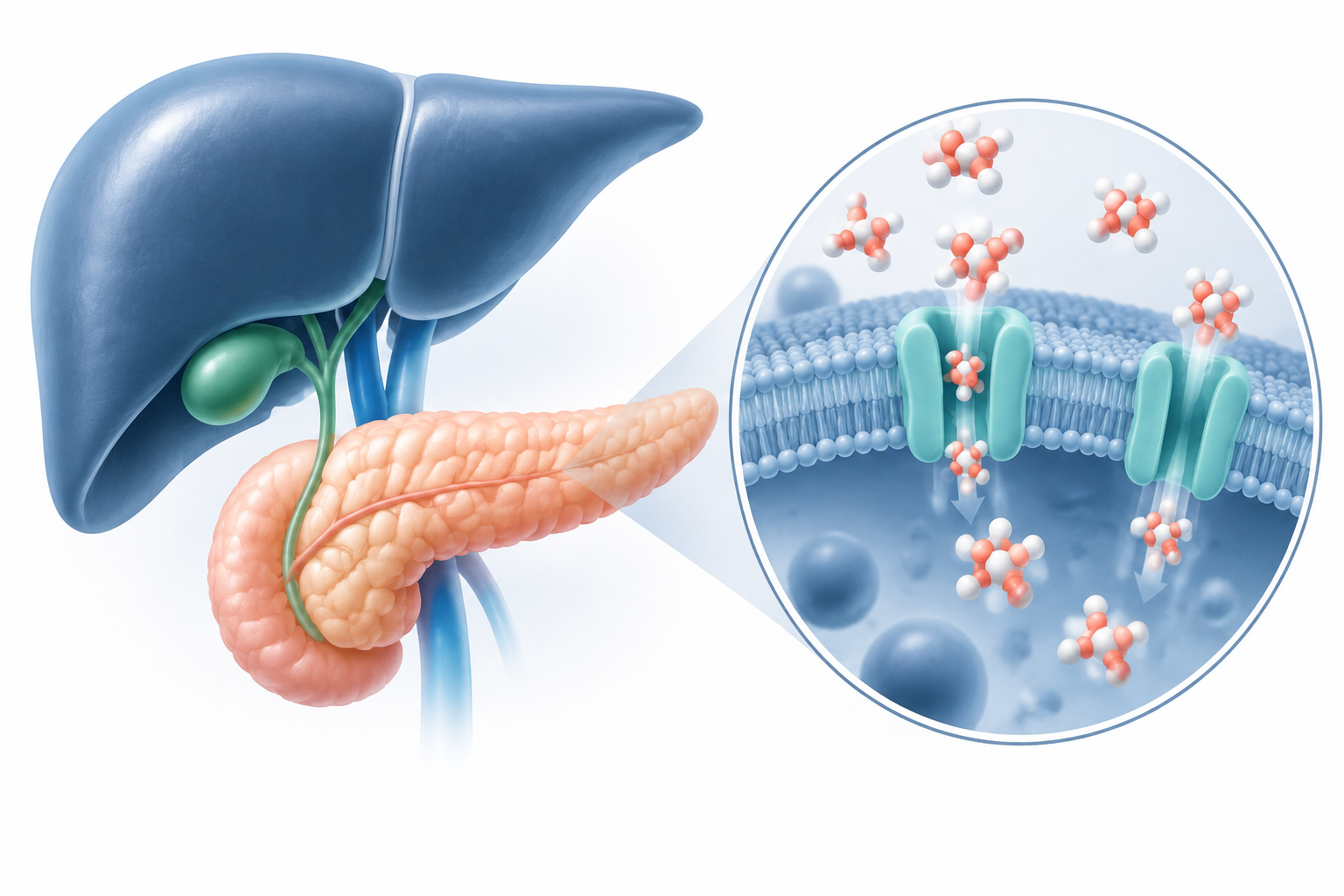
Blood sugar regulation maintains normal glucose levels through insulin and glucagon. When this system fails, diabetes occurs, requiring antidiabetic drugs to restore balance. This guide explains physiological pathways, drug pharmacology, doses, and key GPAT exam topics.
What is it?
Blood sugar control is the physiological process that keeps blood glucose levels in a narrow range. The normal fasting blood glucose in humans is 70 to 99 mg/dL. After meals, blood glucose normally stays below 140 mg/dL.
The body maintains this balance through the endocrine pancreas. The Islets of Langerhans contain specialized cells. Alpha cells produce glucagon when glucose is low. Beta cells produce insulin when glucose is high. When the pancreas cannot make enough insulin or cells become resistant to it, blood sugar levels rise. This medical condition is called Diabetes Mellitus.
Pharmacological blood sugar control involves using exogenous insulin or oral antidiabetic drugs. These agents lower glucose levels and prevent severe microvascular and macrovascular complications.
Salt and Composition
Blood sugar control relies on both physiological hormones and synthetic oral hypoglycemic agents. The most common therapeutic salts and compositions include:
- Metformin Hydrochloride: A biguanide class drug. Common strengths are 500 mg, 850 mg, and 1000 mg tablets. Popular brand names include Glycomet and Glucophage.
- Glimepiride: A third-generation sulfonylurea. Common strengths are 1 mg, 2 mg, 3 mg, and 4 mg tablets. Popular brand names include Amaryl and Zoryl.
- Human Insulin (rDNA origin): A polypeptide hormone containing 51 amino acids. Common strengths include 40 IU/mL and 100 IU/mL vials and cartridges. Popular brand names include Huminsulin and Actrapid.
- Dapagliflozin: A Sodium-Glucose Cotransporter-2 (SGLT2) inhibitor. Common strengths are 5 mg and 10 mg tablets. A popular brand name is Forxiga.
Dose Chart
| Drug / Form | Adult Dose | Child Dose |
|---|---|---|
| Metformin HCl (Tablet) | Initial: 500 mg twice daily with meals; Maximum: 2000–2550 mg daily in divided doses | Children ≥10 years: Initial 500 mg once daily; Maximum: 2000 mg daily |
| Glimepiride (Tablet) | Initial: 1 to 2 mg once daily with breakfast; Maximum: 8 mg once daily | Safety and efficacy not established in pediatric patients |
| Regular Insulin (Subcutaneous injection) | 0.5 to 1.0 IU/kg/day total daily dose; individualized and split before meals | 0.5 to 1.0 IU/kg/day individualized based on blood glucose monitoring |
| Dapagliflozin (Tablet) | 5 mg to 10 mg once daily in the morning with or without food | Not recommended for pediatric patients under 18 years |
How it Works in the Human Body
Blood glucose control involves multiple organs, including the pancreas, liver, skeletal muscle, and kidneys.
Step 1: Glucose Detection in the Pancreas
When food is digested, carbohydrates break down into glucose. Glucose enters pancreatic beta cells through the GLUT-2 transporter. Inside the cell, glucose is phosphorylated by the enzyme glucokinase. This generates ATP. The high ATP/ADP ratio closes ATP-sensitive potassium (K+) channels. This depolarizes the cell membrane. Calcium enters through voltage-gated calcium channels, triggering insulin exocytosis.
Step 2: Cellular Glucose Uptake
Insulin enters the bloodstream and binds to the insulin receptor on target tissues like skeletal muscle and adipose tissue. The insulin receptor is an enzyme-linked receptor with tyrosine kinase activity. When insulin binds, it activates intracellular cascades, including IRS-1 and PI3K pathways. This causes GLUT-4 vesicles to move to the cell membrane. Glucose then enters the cells via facilitated diffusion.
Step 3: Liver Glycogen Storage
In the liver, insulin stimulates glycogen synthase to convert excess glucose into glycogen (glycogenesis). It inhibits glycogen phosphorylase to stop glycogen breakdown (glycogenolysis). It also shuts down gluconeogenesis, which is the formation of glucose from amino acids and glycerol.
Step 4: The Role of Antidiabetic Drugs
- Metformin: Activates AMP-activated protein kinase (AMPK). This reduces hepatic gluconeogenesis and improves peripheral insulin sensitivity.
- Sulfonylureas (Glimepiride): Block ATP-sensitive K+ channels directly on beta cells, causing insulin secretion.
- SGLT2 Inhibitors: Block glucose reabsorption in the proximal convoluted tubule of the kidney, promoting glucose excretion in urine.
Side Effects
- Hypoglycemia: Very common with sulfonylureas and insulin. Symptoms include sweating, tremors, hunger, and confusion.
- Gastrointestinal Distress: Metformin frequently causes nausea, abdominal cramps, and diarrhea.
- Lactic Acidosis: A rare but fatal adverse effect of biguanides like Metformin, especially in renal impairment.
- Weight Gain: Common with insulin and sulfonylurea therapy.
- Urinary Tract Infections: SGLT2 inhibitors cause glycosuria, which increases the risk of fungal and bacterial genital infections.
3 Important Exam Points for GPAT
- Insulin Structure: Human insulin contains 51 amino acids arranged in two peptide chains. Chain A has 21 amino acids, and Chain B has 30 amino acids. They are connected by two interchain disulfide bonds, with one additional intrachain disulfide bond within Chain A.
- Glucose Transporters: GLUT-4 is the only insulin-dependent glucose transporter, found primarily in skeletal muscle, cardiac muscle, and adipose tissue. GLUT-2 is insulin-independent and found in the liver, beta cells, and kidneys.
- Metformin Metabolism: Metformin does not undergo hepatic metabolism and is excreted unchanged in the urine by tubular secretion. It is contraindicated when the estimated glomerular filtration rate (eGFR) is below 30 mL/min/1.73 m².
3 MCQs
Which of the following glucose transporters is insulin-dependent? A) GLUT-1 B) GLUT-2 C) GLUT-3 D) GLUT-4
Answer: D
What is the primary mechanism of action of Metformin? A) Direct stimulation of pancreatic beta cells B) Activation of AMP-activated protein kinase (AMPK) C) Inhibition of intestinal alpha-glucosidase D) Antagonism of glucagon receptors
Answer: B
Closure of which ion channel on pancreatic beta cells triggers insulin release? A) Voltage-gated sodium channels B) Ligand-gated chloride channels C) ATP-sensitive potassium channels D) Calcium-activated potassium channels
Answer: C
FAQs
Why does Metformin not cause hypoglycemia on its own?
Metformin is an antihyperglycemic agent, not an insulin secretagogue. It reduces glucose production in the liver and improves tissue sensitivity. Because it does not force beta cells to produce more insulin, it rarely causes hypoglycemia when used as monotherapy.
What is the role of C-peptide in diabetes testing?
Proinsulin splits into active insulin and C-peptide in an equimolar 1:1 ratio. C-peptide has a longer half-life than insulin. Measuring C-peptide levels helps doctors tell whether a patient has Type 1 diabetes (low/absent C-peptide) or Type 2 diabetes (normal or elevated C-peptide).
Which antidiabetic drug is preferred in patients with renal failure?
Linagliptin, a DPP-4 inhibitor, is widely preferred because it is mainly eliminated through the bile and gut. It requires no dose adjustment in patients with moderate or severe renal failure, unlike Metformin or most sulfonylureas.
Take Free Test on this Topic
Check what you learned with quick GPAT-style questions.
Start Free Test →Unlock all 14 Classifications and 50+ Mock Tests with our Student Pro plan.
Unlock NowFor educational use only — not medical advice. Always check doses with current prescribing information.