DrugClass
Cetirizine 10mg: Uses, Dosage, Mechanism, and GPAT Notes
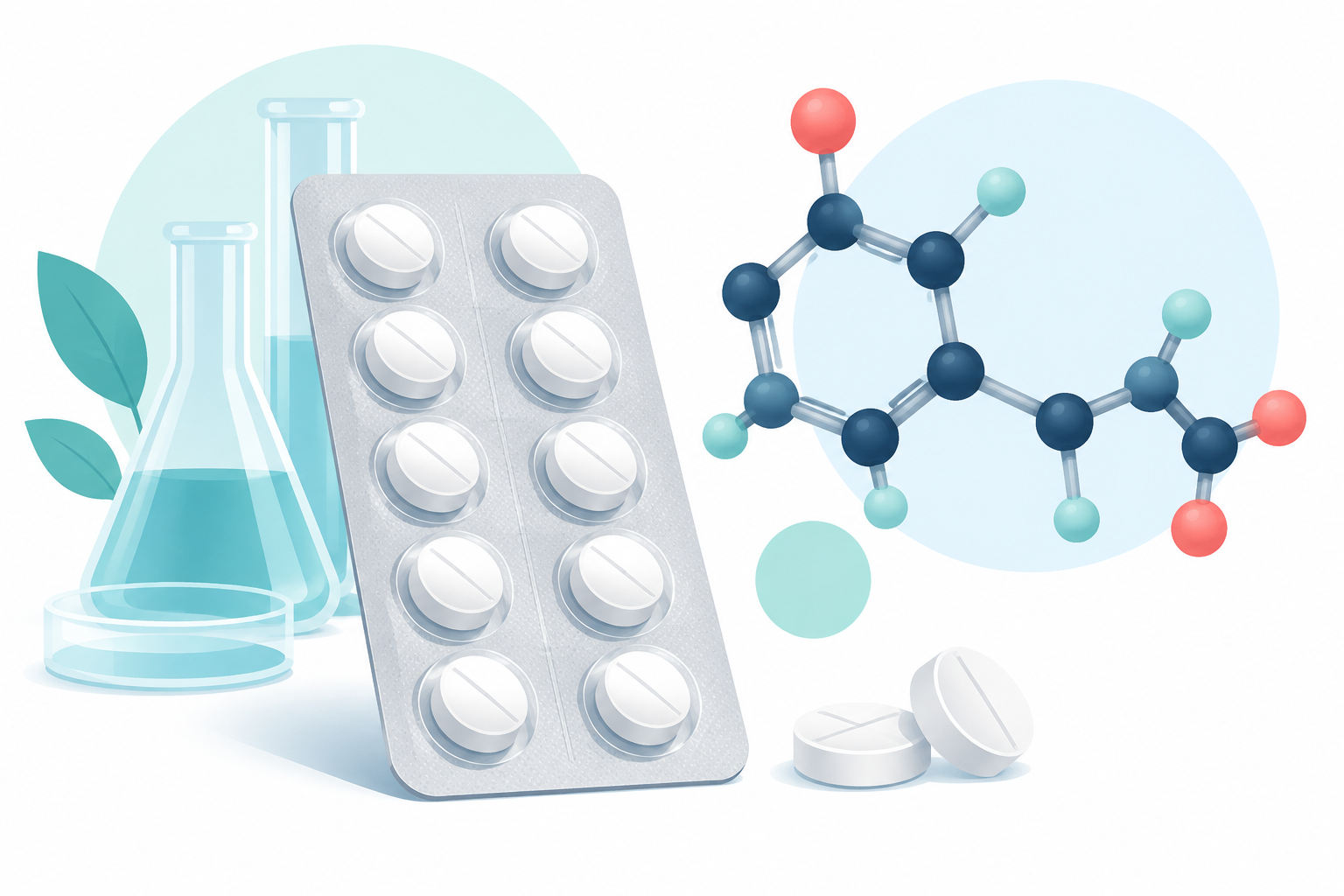
Cetirizine 10mg is a popular second-generation antihistamine used to treat various allergy symptoms. It offers fast relief from itching, sneezing, and hives with less sedation than older drugs. This guide explains its pharmacology, clinical doses, and key facts for GPAT students.
What is it?
Cetirizine is a medicine used to treat allergy symptoms. It belongs to the drug class called second-generation H1 antihistamines.
Doctors prescribe it for allergic rhinitis, hay fever, conjunctivitis, and chronic urticaria (hives). It helps relieve a runny nose, watery eyes, sneezing, and body itching.
Cetirizine is preferred over first-generation antihistamines. It causes much less drowsiness. It also acts quickly and works for up to 24 hours.
Salt and Composition
Cetirizine is formulated as Cetirizine Hydrochloride (Cetirizine HCl).
Chemically, it is a piperazine derivative. It is the active carboxylated metabolite of hydroxyzine.
Available Strengths
- Film-coated tablets: 5 mg and 10 mg
- Dispersible tablets: 10 mg
- Oral syrup: 5 mg / 5 mL
- Oral drops: 10 mg / 1 mL
Popular Brand Names
- Zyrtec
- Cetzine
- Alerid
- Okacet
- Incid-L
Dose Chart
Always follow clinical guidelines or a doctor's prescription for dosing.
| Drug / Form | Adult Dose | Child Dose |
|---|---|---|
| Cetirizine Tablets (10 mg) | 10 mg orally once daily (or 5 mg twice daily) | Children > 6 years: 5 mg to 10 mg once daily |
| Cetirizine Syrup (5 mg/5 mL) | 10 mL (10 mg) once daily | Children 2 to 6 years: 2.5 mL (2.5 mg) twice daily or 5 mL once daily |
| Cetirizine Drops (10 mg/mL) | Not recommended for adults | Infants 6 months to 2 years: 0.25 mL (2.5 mg) once daily |
Note: In patients with renal failure (CrCl < 50 mL/min), reduce the dose to 5 mg once daily.
How it Works in the Human Body
Cetirizine acts on the immune and vascular systems. Here is the step-by-step mechanism:
- Allergen Exposure: When an allergen enters the body, immune cells release a chemical called histamine from tissue mast cells and basophils.
- Histamine Binding: Histamine travels and binds to H1 receptors. These receptors are located on blood vessels, nerve endings, and respiratory mucosa.
- Normal Allergic Reaction: Histamine activation causes blood vessels to dilate and become permeable. This action leads to redness, swelling, fluid leakage, and itch signals to the brain.
- Cetirizine Action: Cetirizine acts as an inverse agonist and selective antagonist at peripheral H1 receptors.
- Receptor Blockade: It blocks histamine from binding to these target sites.
- Symptom Relief: Blood vessels stabilize. Fluid leakage stops. Sensory nerve stimulation decreases. This quickly halts itching, sneezing, and swelling.
- Late Phase Inhibition: Cetirizine also reduces the movement of eosinophils to inflammatory sites during the late phase of allergic reactions.
Side Effects
Cetirizine has fewer side effects than first-generation drugs. However, some patients may still experience mild adverse effects.
Common Side Effects
- Mild drowsiness or fatigue
- Dry mouth
- Headache
- Pharyngitis (sore throat)
- Dizziness
Rare Side Effects
- Gastrointestinal upset (nausea, abdominal pain)
- Restlessness
- Mild elevation of liver enzymes
- Hypersensitivity reactions (rash, bronchospasm)
3 Important Exam Points for GPAT
- Metabolite Link: Cetirizine is the active carboxylated metabolite of hydroxyzine. Hydroxyzine is a first-generation piperazine antihistamine. Adding a carboxyl group gives cetirizine high polarity.
- Zwitterionic Nature: At physiological pH, cetirizine exists as a zwitterion. Because it is polar and ionized, it has very low lipid solubility. Therefore, it does not cross the blood-brain barrier (BBB) easily. This explains its low central nervous system (CNS) depression compared to hydroxyzine.
- Renal Elimination: Unlike many antihistamines metabolized heavily by hepatic CYP450 enzymes, cetirizine is largely excreted unchanged in the urine (~70%). It shows minimal drug interactions with cytochrome P450 inhibitors.
3 MCQs
Q1. Cetirizine belongs to which chemical class of antihistamines?
A) Ethanolamines
B) Alkylamines
C) Piperazines
D) Phenothiazines
Answer: C
Q2. Cetirizine is an active primary metabolite of which drug?
A) Cyclizine
B) Hydroxyzine
C) Diphenhydramine
D) Promethazine
Answer: B
Q3. Why does Cetirizine cause significantly less sedation than first-generation H1 blockers?
A) It does not bind to H1 receptors
B) It exists as a zwitterion and poorly penetrates the blood-brain barrier
C) It is destroyed rapidly in the bloodstream
D) It only acts on H2 receptors
Answer: B
FAQs
Is Cetirizine safe during pregnancy?
Cetirizine is classified as US FDA Pregnancy Category B. It is generally considered safe. However, pregnant women should only use it when clearly needed under medical advice.
Can Cetirizine cause sleepiness even though it is second-generation?
Yes. Cetirizine causes the most sedation among second-generation antihistamines. Around 10% of users experience mild drowsiness, especially at the full 10 mg dose.
How fast does a 10mg Cetirizine tablet start working?
Cetirizine is absorbed rapidly. It starts showing anti-allergic effects within 20 to 60 minutes after oral administration. Its effects last for up to 24 hours.
Take Free Test on this Topic
Check what you learned with quick GPAT-style questions.
Start Free Test →Unlock all 14 Classifications and 50+ Mock Tests with our Student Pro plan.
Unlock NowFor educational use only — not medical advice. Always check doses with current prescribing information.