DrugClass
Human Body & Drugs
How Antibiotics Kill Bacteria in Body: GPAT Study Guide
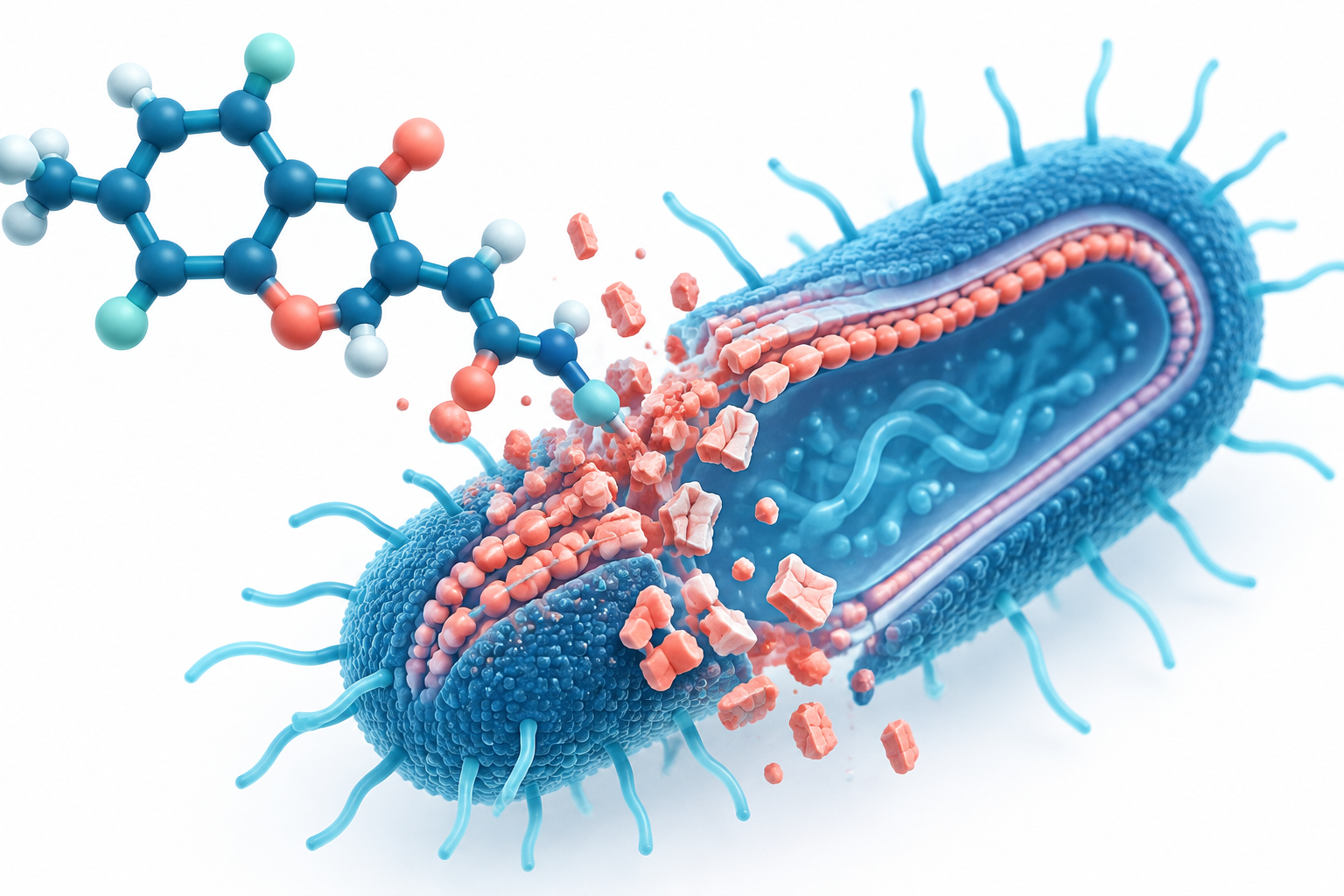
Antibiotics are essential medicines that kill bacteria or stop their growth in the human body. They target unique bacterial structures like cell walls, 70S ribosomes, and specific enzymes. This guide covers mechanisms of action, dose charts, and high-yield GPAT notes.
What is it?
Antibiotics are chemical substances produced by microorganisms or synthesized in laboratories. They selectively kill bacteria or stop their growth inside the human body. They do not harm human cells because bacterial structures are fundamentally different from eukaryotic cells.
Antibiotics fall into two broad functional types:
- Bactericidal agents: These drugs directly kill bacteria (for example, Penicillins, Cephalosporins, Aminoglycosides).
- Bacteriostatic agents: These drugs inhibit bacterial growth and multiplication, allowing the host immune system to clear the pathogen (for example, Tetracyclines, Macrolides, Sulfonamides).
Salt and Composition
Antibiotics are formulated as specific chemical salts to improve stability, solubility, and oral bioavailability. Below are major representative classes and their common forms:
- Amoxicillin Trihydrate: An aminopenicillin often paired with Potassium Clavulanate (a beta-lactamase inhibitor). Common strengths include 250 mg, 500 mg, and 875 mg oral tablets (e.g., Augmentin, Mox).
- Azithromycin Dihydrate: An azalide subclass of macrolides. Available in 250 mg and 500 mg tablets, and 200 mg/5 mL oral suspensions (e.g., Zithromax, Azithral).
- Ciprofloxacin Hydrochloride: A broad-spectrum second-generation fluoroquinolone. Common strengths include 250 mg, 500 mg, and 750 mg tablets, plus 200 mg/100 mL IV infusions (e.g., Cipro, Ciplox).
- Ceftriaxone Sodium: A third-generation cephalosporin for parenteral use. Available in 250 mg, 500 mg, 1 g, and 2 g vials for IM or IV injection (e.g., Rocephin, Monocef).
Dose Chart
| Drug / Form | Adult Dose | Child Dose |
|---|---|---|
| Amoxicillin (Oral Tablet) | 250 mg to 500 mg every 8 hours | 20 to 40 mg/kg/day divided every 8 hours |
| Azithromycin (Oral Tablet) | 500 mg on day 1, then 250 mg daily on days 2 to 5 | 10 mg/kg on day 1, then 5 mg/kg daily on days 2 to 5 |
| Ciprofloxacin (Oral Tablet) | 250 mg to 750 mg every 12 hours | 20 to 30 mg/kg/day divided every 12 hours (use with caution) |
| Ceftriaxone (IV / IM Injection) | 1 g to 2 g once daily (or divided every 12 hours) | 50 to 75 mg/kg/day divided every 12 to 24 hours |
How it Works in the Human Body
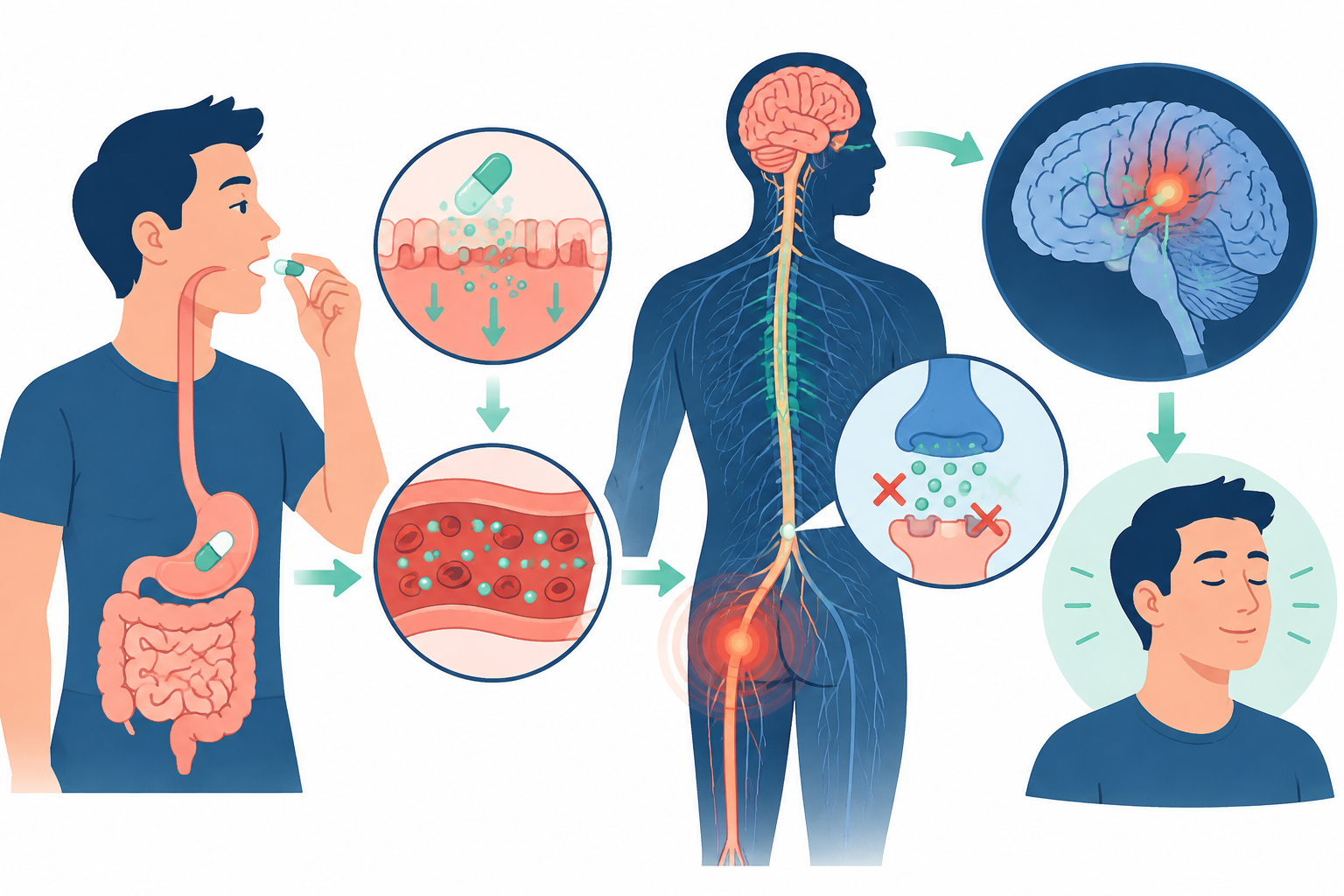
When a patient takes an antibiotic, the drug enters systemic circulation through the gastrointestinal tract or parenteral injection. The bloodstream carries the drug to the site of infection.
Antibiotics target specific structures unique to bacterial cells through four main mechanisms:
1. Inhibition of Cell Wall Synthesis
Bacteria possess a rigid peptidoglycan cell wall. Human cells do not have a cell wall.
- Beta-lactams (Penicillins, Cephalosporins, Carbapenems) bind to Penicillin-Binding Proteins (PBPs).
- They inhibit the transpeptidation reaction that cross-links peptidoglycan strands.
- Autolysins inside the bacterial cell wall activate without restraint, causing osmotic lysis and cell rupture.
2. Inhibition of Protein Synthesis
Bacteria use 70S ribosomes (consisting of 30S and 50S subunits). Humans use 80S ribosomes.
- 30S Subunit Inhibitors: Aminoglycosides (e.g., Gentamicin) bind irreversibly to the 30S subunit, causing misreading of mRNA. Tetracyclines block the attachment of aminoacyl-tRNA to the A-site.
- 50S Subunit Inhibitors: Macrolides (e.g., Erythromycin, Azithromycin) and Chloramphenicol bind to the 50S subunit. They block transpeptidation and prevent polypeptide elongation.
3. Inhibition of Nucleic Acid Synthesis
Bacteria require specific enzymes to replicate and transcribe DNA.
- Fluoroquinolones (e.g., Ciprofloxacin) inhibit DNA gyrase (Topoisomerase II) in Gram-negative bacteria and Topoisomerase IV in Gram-positive bacteria. This prevents DNA supercoiling and blocks replication.
- Rifamycins (e.g., Rifampin) bind to bacterial DNA-dependent RNA polymerase, blocking mRNA transcription.
4. Disruption of Metabolic Pathways
Bacteria must synthesize folic acid de novo; they cannot absorb exogenous folate.
- Sulfonamides compete with para-aminobenzoic acid (PABA) for the enzyme dihydropteroate synthase.
- Trimethoprim inhibits dihydrofolate reductase.
- Blocking this pathway stops purine and pyrimidine synthesis, preventing bacterial cell division.
Side Effects
Antibiotics can cause both common and drug-specific adverse effects:
- Gastrointestinal Distress: Nausea, vomiting, abdominal cramps, and diarrhea are common because antibiotics alter natural gut microbiota.
- Hypersensitivity Reactions: Rashes, urticaria, bronchospasm, and life-threatening anaphylaxis (especially with Penicillins).
- Superinfections: Overgrowth of Clostridioides difficile leads to pseudomembranous colitis.
- Organ-Specific Toxicities:
- Aminoglycosides cause ototoxicity and nephrotoxicity.
- Tetracyclines cause tooth discoloration and bone growth arrest in children.
- Fluoroquinolones carry a risk of tendon rupture and QT prolongation.
3 Important Exam Points for GPAT
- Mechanism of Clavulanic Acid: Clavulanic acid, Sulbactam, and Tazobactam are suicide inhibitors of the beta-lactamase enzyme. They contain a beta-lactam ring but possess weak antibacterial activity of their own.
- Toxicity Signatures: Chloramphenicol causes Gray Baby Syndrome due to deficient glucuronyl transferase in neonates. Sulfonamides can cause Kernicterus in newborns by displacing bilirubin from plasma albumin.
- Selective Ribosomal Targeting: Remember the mnemonic: AT 30, CELL at 50. Aminoglycosides and Tetracyclines bind the 30S subunit. Chloramphenicol, Erythromycin (Macrolides), Lincosamides (Clindamycin), and Linezolid bind the 50S subunit.
3 MCQs
1. Which enzyme is primarily inhibited by Ciprofloxacin in Gram-negative bacteria?
- A) Dihydrofolate reductase
- B) DNA gyrase (Topoisomerase II)
- C) Transpeptidase
- D) Peptidyl transferase
Answer: B
2. Gray Baby Syndrome is a well-known adverse reaction associated with which drug?
- A) Chloramphenicol
- B) Tetracycline
- C) Erythromycin
- D) Streptomycin
Answer: A
3. Which of the following antibiotics acts by binding irreversibly to the 30S ribosomal subunit?
- A) Azithromycin
- B) Doxycycline
- C) Gentamicin
- D) Clindamycin
Answer: C
FAQs
Why do antibiotics fail to kill human cells?
Antibiotics specifically target structures found in bacteria but absent in human cells, such as peptidoglycan cell walls, 70S ribosomes, and unique folate synthesis enzymes.
What is the difference between bactericidal and bacteriostatic drugs?
Bactericidal drugs directly kill bacteria by disrupting vital structures like cell walls or membranes. Bacteriostatic drugs halt reproduction, relying on the host's immune system to destroy the remaining pathogens.
Why are beta-lactamase inhibitors combined with penicillins?
Certain resistant bacteria produce beta-lactamase enzymes that hydrolyze the beta-lactam ring. Inhibitors like clavulanic acid neutralize these enzymes, preserving the antibiotic's potency.
Take Free Test on this Topic
Check what you learned with quick GPAT-style questions.
Start Free Test →Unlock all 14 Classifications and 50+ Mock Tests with our Student Pro plan.
Unlock NowFor educational use only — not medical advice. Always check doses with current prescribing information.