DrugClass
How Medicine Works in Human Body
Salbutamol for Asthma: Mechanism, Dose & GPAT Notes
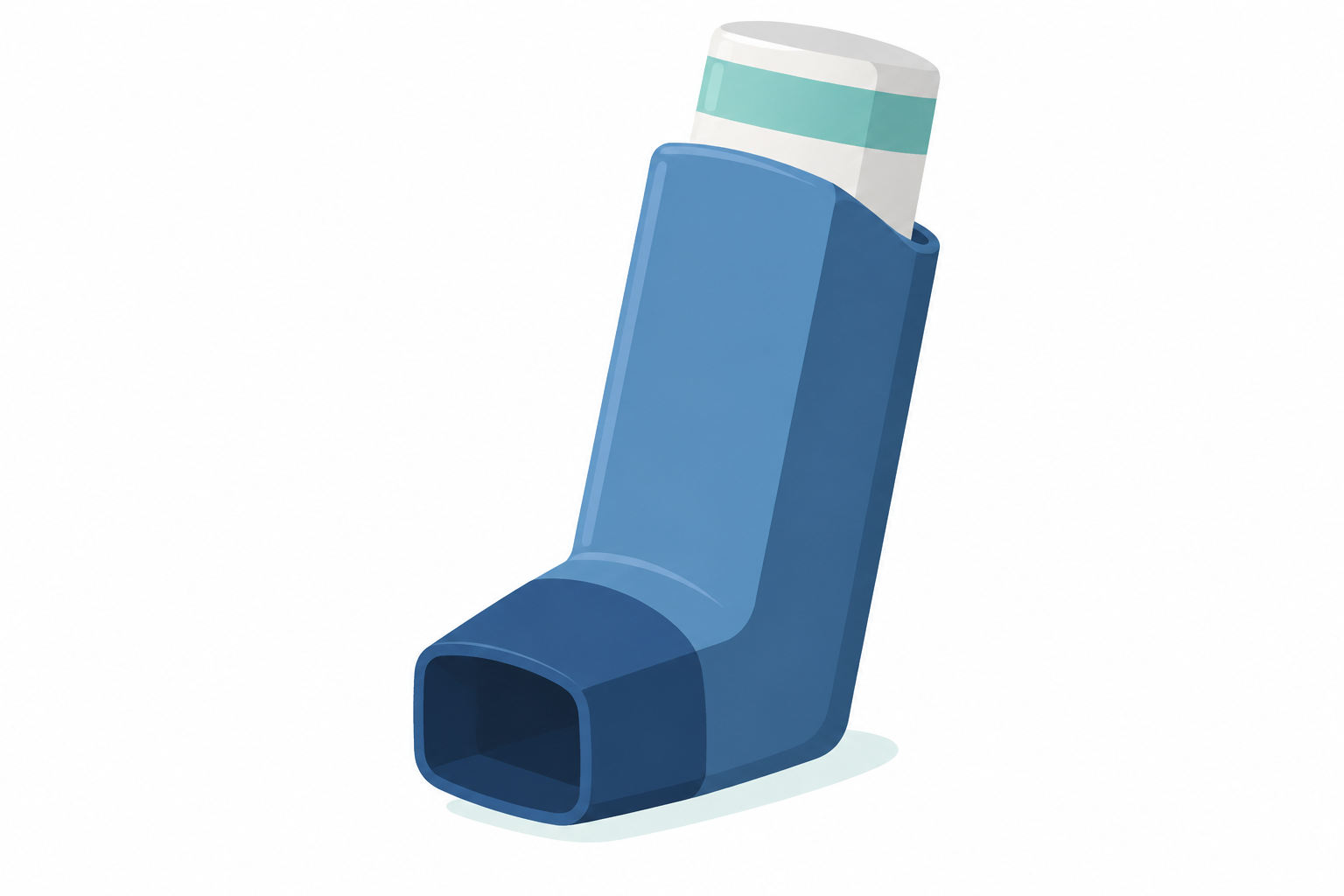
Salbutamol, also known as albuterol, is a short-acting beta-2 adrenergic agonist used as a first-line bronchodilator for acute asthma attacks. It relaxes bronchial smooth muscle by stimulating adenylate cyclase to produce cyclic AMP. This study guide covers the drug's mechanism of action, standard doses, clinical side effects, and essential GPAT exam points.
Introduction to Salbutamol (Albuterol)
Salbutamol, widely known as albuterol in the United States, is a short-acting beta-2 adrenergic agonist (SABA). It is the primary quick-relief rescue medicine for acute bronchospasm in bronchial asthma and chronic obstructive pulmonary disease (COPD).
For pharmacy students preparing for competitive exams like GPAT, NIPER, and university boards, salbutamol is a high-yield drug. Questions routinely appear on its receptor selectivity, cellular signaling pathways, metabolic side effects, and formulation characteristics.
Chemical Classification and Structure
Salbutamol belongs to the saligenin class of sympathomimetic agents. Unlike non-selective catecholamines such as adrenaline and isoprenaline, salbutamol has key structural modifications:
- Beta-2 Selectivity: It contains a bulky tertiary butyl group on the amino nitrogen, which confers high affinity for beta-2 receptors over beta-1 cardiac receptors.
- Resistance to COMT: It features a hydroxymethyl group at the meta-position instead of a typical catechol hydroxyl group. Because of this, it is not degraded by catechol-O-methyltransferase (COMT).
- Oral Bioavailability: Resistance to gut wall sulfation and COMT allows salbutamol to be active orally as well as via inhalation.
Mechanism of Action of Salbutamol
Salbutamol acts directly on airway smooth muscle cells to produce rapid bronchodilation within 5 to 15 minutes.
Cellular Pathway
- Receptor Binding: Salbutamol selectively binds to G-protein coupled beta-2 adrenergic receptors located on the bronchial smooth muscle membrane.
- Adenylate Cyclase Activation: Receptor activation stimulates the stimulatory G-protein (Gs), which turns on the membrane-bound enzyme adenylate cyclase.
- Rise in cAMP: Adenylate cyclase converts intracellular adenosine triphosphate (ATP) into cyclic adenosine monophosphate (cAMP).
- Protein Kinase A Activation: Elevated cAMP triggers Protein Kinase A (PKA).
- Calcium Extrusion: PKA phosphorylates several intracellular regulatory proteins. This blocks the influx of calcium ions ($Ca^{2+}$), drives calcium out of the cell, and sequesters calcium into the sarcoplasmic reticulum.
- Myosin Light Chain Kinase (MLCK) Inhibition: Lower intracellular calcium inactivates MLCK, preventing smooth muscle contraction and causing pronounced bronchodilation.
Additional Airway Effects
- Increases mucociliary clearance by accelerating ciliary beat frequency.
- Inhibits the release of inflammatory mediators (such as histamine and leukotrienes) from mast cells in the airway.
- Prevents microvascular leakage in pulmonary tissues.
Pharmacokinetics
- Onset of Action: 5 to 15 minutes after inhalation; 30 minutes following oral administration.
- Duration of Action: 3 to 6 hours, classifying it strictly as a short-acting bronchodilator.
- Metabolism: Primarily conjugated in the liver to an inactive sulfate conjugate (salbutamol 4'-O-sulfate).
- Excretion: Excreted predominantly in the urine (around 80%) within 24 hours as unchanged drug and inactive metabolites.
Standard Doses and Dosage Forms
Salbutamol is available in metered-dose inhalers (MDI), dry powder inhalers (DPI), respules for nebulization, oral tablets, and syrups.
| Dosage Form | Typical Patient Group | Standard Clinical Dose | Key Instructions |
|---|---|---|---|
| Metered-Dose Inhaler (MDI) | Adults and Children | 100 mcg to 200 mcg (1–2 puffs) | For acute relief; use spacer device if coordination is poor |
| Nebulization Solution | Severe acute asthma exacerbations | 2.5 mg to 5.0 mg every 20 minutes | Driven by oxygen or air flow (6–8 L/min) |
| Oral Tablets | Maintenance in chronic cases | 2 mg to 4 mg three or four times daily | Maximum 8 mg four times daily; slower onset than inhalers |
| Oral Syrup | Pediatric patients (2–6 years) | 1 mg to 2 mg three times daily | Weight-based dosing (0.1 mg/kg) preferred |
| Intravenous / Subcutaneous | Severe status asthmaticus | 250 mcg slow IV injection | Monitored in hospital settings only |
Adverse Effects and Toxicities
While salbutamol is beta-2 selective, high doses or systemic exposure cause characteristic sympathomimetic side effects:
- Skeletal Muscle Tremors: This is the most common dose-limiting side effect. It occurs via direct stimulation of beta-2 receptors in skeletal muscle fibers.
- Tachycardia and Palpitations: High doses cause non-specific cross-stimulation of beta-1 receptors in the myocardium and reflex tachycardia due to peripheral vasodilation (beta-2).
- Hypokalemia: Salbutamol drives potassium ions from the extracellular fluid into skeletal muscle cells by stimulating the $Na^+/K^+$ ATPase pump. This can precipitate cardiac arrhythmias.
- Hyperglycemia: Beta-2 stimulation promotes hepatic glycogenolysis and lipolysis, temporarily raising blood glucose levels.
- Headache and Nervousness: Caused by central sympathetic activation.
High-Yield GPAT and Board Exam Notes
Review these high-frequency exam points before tests:
- Rescue vs. Controller: Salbutamol is used for acute rescue relief, not long-term control. Long-acting beta-2 agonists (LABAs) like salmeterol and formoterol are used for maintenance along with inhaled corticosteroids.
- Active Enantiomer: Salbutamol exists as a racemic mixture of (R)- and (S)-isomers. Levosalbutamol (Levalbuterol) is the active (R)-enantiomer. The (S)-enantiomer is inactive and may actually promote airway hyperreactivity.
- Receptor Desensitization: Frequent, unmonitored overuse of salbutamol causes down-regulation (internalization) of beta-2 receptors, leading to drug tolerance and tachyphylaxis.
- Tocolytic Use: Intravenous salbutamol can relax uterine smooth muscle to delay premature labor, although agents like ritodrine or terbutaline are more classically highlighted for tocolysis.
- Drug Interaction with Beta Blockers: Non-selective beta blockers (such as propranolol) block beta-2 receptors in the lungs and completely reverse salbutamol bronchodilation, triggering fatal bronchospasm in asthmatics.
Test Yourself: 5 MCQs
1. Which specific enzyme is directly activated downstream of the Gs-protein during salbutamol-induced bronchodilation?
2. What is the most common dose-limiting adverse effect of oral salbutamol therapy?
3. Which single enantiomer represents the therapeutically active bronchodilator form of salbutamol?
4. Salbutamol produces hypokalemia primarily through which physiological mechanism?
5. Why does salbutamol have a longer duration of action and higher oral bioavailability than adrenaline?
Take Free Test on this Topic
Check what you learned with quick GPAT-style questions.
Start Free Test →Unlock all 14 Classifications and 50+ Mock Tests with our Student Pro plan.
Unlock NowFor educational use only — not medical advice. Always check doses with current prescribing information.