 DrugClass
Explanation: ACE Inhibitor Mechanism of Action Made Simple
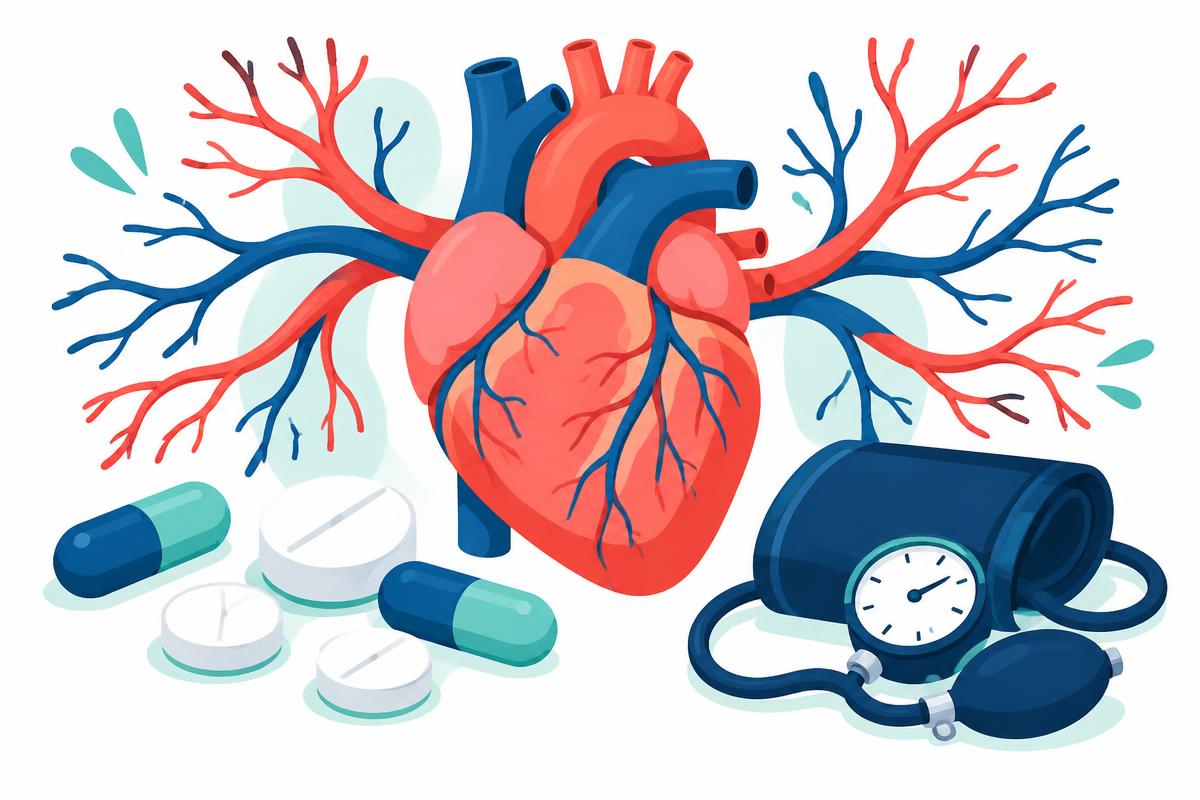
Understand the ACE pathway, bradykinin, cough, potassium effects, and key safety cautions through a simple analogy.
Introduction: Why ACE Inhibitors Are High-Yield
ACE inhibitors connect blood pressure, kidney function, heart failure, and adverse effects. Their mechanism also explains their best-known exam clue: a dry cough.
The class name tells you the target. ACE means angiotensin-converting enzyme. Blocking this enzyme reduces angiotensin II formation.
You do not need to memorise the whole hormone pathway at once. Learn the chain, then attach the effects to it.
Easy-Learn: Names and the Hormone Chain
Recognise the “-pril” Group
| Drug | Useful exam point |
|---|---|
| Captopril | Active drug; contains a sulfhydryl group |
| Enalapril | Prodrug converted to Enalaprilat |
| Lisinopril | Active drug; not a prodrug |
| Ramipril | Prodrug converted to Ramiprilat |
| Perindopril | Prodrug converted to Perindoprilat |
The “-pril” ending helps identify the class. Drug chemistry questions may still test the active form or prodrug exception.
Build the RAAS in Four Lines
- The kidney releases renin in response to appropriate signals, such as reduced renal perfusion.
- Renin helps turn angiotensinogen into angiotensin I.
- ACE converts angiotensin I into angiotensin II.
- Angiotensin II narrows vessels and promotes aldosterone release.
Aldosterone encourages sodium retention and potassium loss. Water tends to follow retained sodium.
Mechanism of Action: Ease Pressure in the Pipes
Imagine blood vessels as water pipes. Angiotensin II tightens the pipes and helps the body retain salt and water. Pressure rises.
An ACE inhibitor blocks a step needed to make angiotensin II. The pipes relax. Aldosterone also falls, so the body retains less sodium and water.
The Second Job of ACE Explains Cough
ACE also helps break down bradykinin. When ACE is blocked, bradykinin can increase.
Think of bradykinin as another message that normally gets cleared away. Blocking the cleaner lets more message remain. This helps explain the dry cough and the risk of angioedema.
Angioedema can involve swelling of the lips, tongue, or airway. It is not simply an annoying cough. Airway symptoms require urgent medical care.
What can be asked in GPAT?
- Which conversion does ACE perform? Angiotensin I to angiotensin II.
- Which substance helps explain an ACE-inhibitor dry cough? Bradykinin.
- What can happen to potassium? It can rise because aldosterone action decreases.
- Which listed drug is a prodrug: Enalapril or Lisinopril? Enalapril.
- Why are ACE inhibitors unsafe in pregnancy? They can cause serious fetal harm, particularly affecting fetal kidney function.
Use these as practice prompts, not as guaranteed exam questions.
Safety and a Fast Comparison With ARBs
Important adverse effects include cough, high potassium, low blood pressure, and angioedema. Kidney function and potassium need monitoring when treatment starts or changes.
ACE inhibitors are avoided in pregnancy and in patients with a history of ACE-inhibitor-related angioedema. Bilateral renal artery stenosis is another important risk setting. Combining them with potassium supplements or potassium-sparing drugs may raise potassium further.
Angiotensin receptor blockers, such as Losartan, block the AT1 receptor instead. They do not directly inhibit bradykinin breakdown. Cough is less common, but pregnancy and potassium cautions remain important.
Read the ACE inhibitor review and revise the class beside the DrugClass classification library.
For more simplified pharmacy notes and 50+ mock tests, visit our Pro Dashboard.
Take Free Test on this Topic
Check what you learned with quick GPAT-style questions.
Start Free Test →Unlock all 14 Classifications and 50+ Mock Tests with our Student Pro plan.
Unlock NowFor educational use only — not medical advice. Always check doses with current prescribing information.