DrugClass
Vitamin D3 60k Dose Guide: Uses, Mechanism, and GPAT Notes
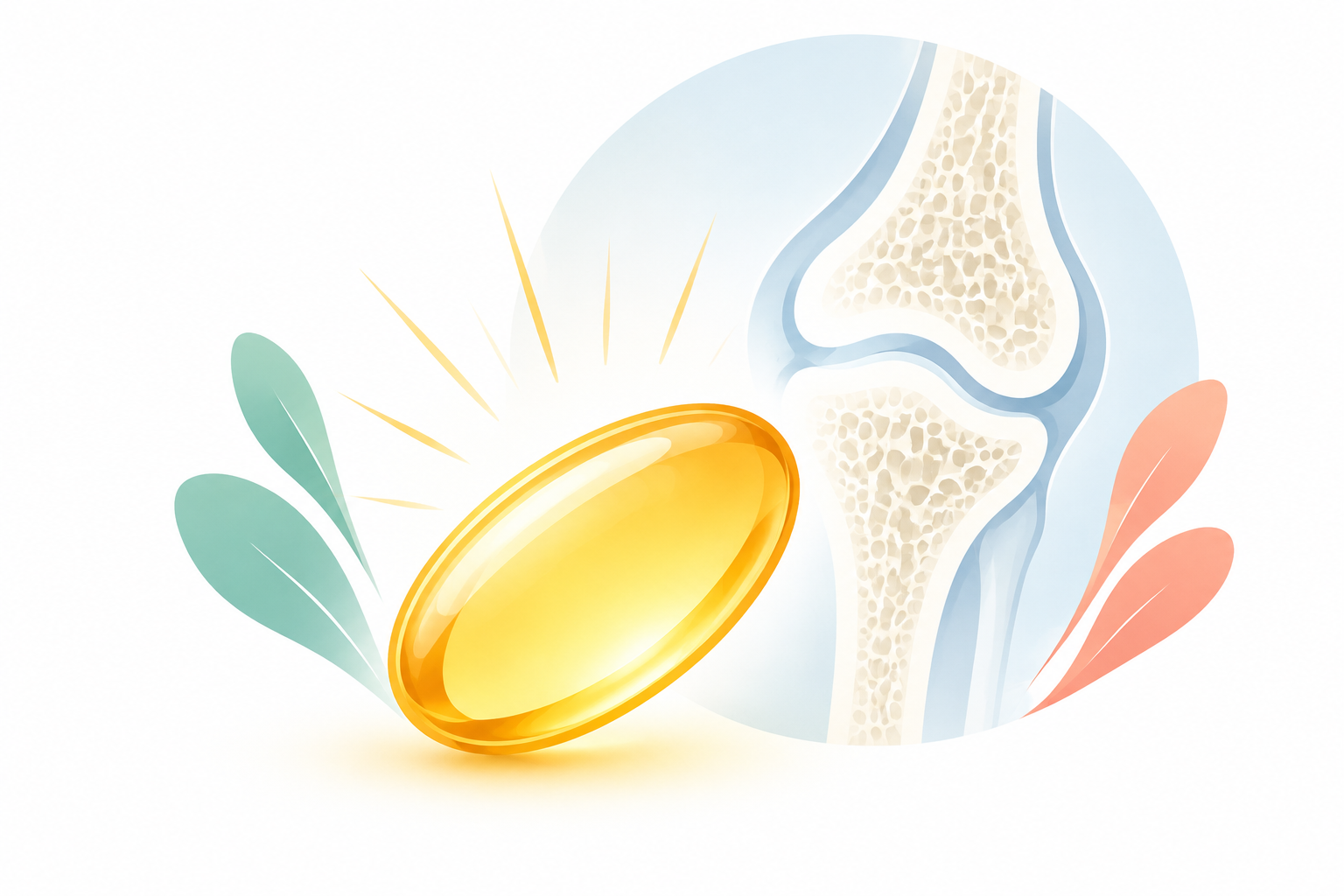
Vitamin D3 60k is a high-dose supplement used to treat severe vitamin D deficiency and bone disorders. It is converted in the liver and kidneys into calcitriol, which boosts calcium absorption. This guide covers dosing schedules, mechanism of action, side effects, and GPAT study points.
What is it?
Vitamin D3 60k is a high-potency oral formulation of cholecalciferol. It contains 60,000 International Units (IU) of Vitamin D3.
Vitamin D is a fat-soluble vitamin. It acts like a hormone in the human body. Clinicians prescribe this high dose to quickly correct severe Vitamin D deficiency. It is also used to treat nutritional rickets, osteomalacia, and as an adjunct therapy for osteoporosis.
Most people get Vitamin D from sunlight exposure and food. However, lack of sun exposure and poor diet often cause deficiency. The 60k dose restores body stores rapidly.
Salt and Composition
- Active Chemical Salt: Cholecalciferol (Vitamin D3)
- Chemical Nature: Secosteroid
- Unit Equivalence: 1 microgram (mcg) of Cholecalciferol equals 40 IU. Therefore, a 60,000 IU dose equals 1.5 mg of pure Cholecalciferol.
Common Formulations
- Soft gelatin capsules (60,000 IU)
- Chewable tablets (60,000 IU)
- Oral granules / sachets (60,000 IU per 1 g sachet)
- Oral nano-shots / syrups (60,000 IU in 5 mL)
Popular Brand Examples
- Calcirol (Cadila Healthcare)
- Uprise-D3 (Alkem Laboratories)
- D3 Must (Mankind Pharma)
- Tayo 60K (Eris Lifesciences)
Dose Chart
The 60k strength is a weekly or monthly therapeutic dose. It is not meant for daily consumption.
| Drug / Form | Adult Dose | Child Dose |
|---|---|---|
| Cholecalciferol 60k Softgel | 60,000 IU once weekly for 8 weeks, then 60,000 IU once monthly for maintenance. | Not recommended under 12 years. Adolescents (>12 yrs): 60,000 IU once every 2 to 4 weeks under medical supervision. |
| Cholecalciferol 60k Granules / Sachet | 1 sachet dissolved in milk once weekly for 6 to 8 weeks. | Children over 1 year (severe rickets): 60,000 IU single dose or divided doses only under pediatric guidance. |
| Cholecalciferol Oral Liquid / Nano Shot | 5 mL (60,000 IU) once weekly for 8 weeks with a fatty meal. | Used strictly under specialist supervision for pediatric malabsorption syndromes. |
Note: Dosing must always be guided by serum 25-hydroxyvitamin D [25(OH)D] levels.
How it Works in the Human Body
Cholecalciferol is an inactive precursor. It must undergo two hydroxylation steps in different organs to become biologically active.
Cholecalciferol (Inactive)
       ↓ (Liver: CYP2R1 / 25-hydroxylase)
25-Hydroxyvitamin D3 [Calcifediol] (Storage Form)
       ↓ (Kidneys: CYP27B1 / 1α-hydroxylase)
1,25-Dihydroxyvitamin D3 [Calcitriol] (Active Hormone)
Step 1: Intestinal Absorption
Cholecalciferol is fat-soluble. It is absorbed in the small intestine with dietary fats and bile salts. It enters the bloodstream via chylomicrons and binds to Vitamin D-binding protein (DBP).
Step 2: First Activation in the Liver
The liver enzyme 25-hydroxylase (CYP2R1) metabolizes cholecalciferol into 25-hydroxycholecalciferol (Calcifediol). This is the main circulating and storage form. Doctors measure this form to test blood levels.
Step 3: Second Activation in the Kidneys
Calcifediol travels to the proximal renal tubules in the kidneys. Here, the enzyme 1-alpha-hydroxylase (CYP27B1) adds another hydroxyl group. This produces 1,25-dihydroxycholecalciferol (Calcitriol). Calcitriol is the fully active hormone. Parathyroid hormone (PTH) stimulates this step when blood calcium is low.
Step 4: Action on Target Organs
- Intestine: Calcitriol binds to intracellular Vitamin D Receptors (VDR). It forms a heterodimer with Retinoid X Receptor (RXR). This complex enters the cell nucleus and stimulates the synthesis of Calbindin-D28k (a calcium-binding transport protein). Calbindin increases intestinal absorption of calcium and phosphate.
- Bone: It coordinates bone mineralization with osteoblasts and osteoclasts.
- Kidney: It enhances distal renal tubular reabsorption of calcium.
Side Effects
At prescribed weekly doses, Vitamin D3 is safe. Excessive or daily intake can lead to hypervitaminosis D.
- Hypercalcemia: Excess calcium in the blood causing nausea, vomiting, weakness, and confusion.
- Gastrointestinal upset: Constipation, metallic taste, and dry mouth.
- Renal issues: Hypercalciuria (calcium in urine), polyuria, kidney stones (nephrolithiasis), and nephrocalcinosis.
- Cardiovascular risks: Soft tissue and arterial calcification with prolonged toxic levels.
3 Important Exam Points for GPAT
- Active vs. Diagnostic Form: The major circulating form used to assess patient status is 25-hydroxyvitamin D3 (Calcifediol) due to its long half-life (~15 days). The active hormonal form is 1,25-dihydroxyvitamin D3 (Calcitriol) with a short half-life (~15 hours).
- Receptor Type: The Vitamin D Receptor (VDR) belongs to the nuclear receptor superfamily. It acts as a ligand-activated transcription factor by pairing with the Retinoid X Receptor (RXR).
- Enzyme Regulation: Renal 1-alpha-hydroxylase is stimulated by Parathyroid Hormone (PTH) and low serum phosphate. It is inhibited by high calcium levels and Fibroblast Growth Factor 23 (FGF-23).
3 MCQs
Question 1
Which enzyme catalyzes the conversion of Calcifediol into Calcitriol in the kidney?
A) 25-hydroxylase
B) 1-alpha-hydroxylase
C) 24-hydroxylase
D) 7-dehydrocholesterol reductase
Answer: B
Question 2
How many milligrams of Cholecalciferol are present in a 60,000 IU capsule?
A) 0.5 mg
B) 1.5 mg
C) 6.0 mg
D) 15.0 mg
Answer: B
Question 3
Calcitriol increases intestinal calcium absorption mainly by inducing the synthesis of which protein?
A) Calmodulin
B) Osteocalcin
C) Calbindin-D28k
D) C-reactive protein
Answer: C
FAQs
Why is Vitamin D3 60k taken once weekly instead of daily?
Vitamin D3 is fat-soluble and stored in adipose tissue and the liver. The body releases it slowly. A single 60,000 IU weekly dose provides enough storage without needing a large daily pill.
Should Vitamin D3 60k be taken with milk or water?
It is best absorbed with milk or a meal containing dietary fats. Fat stimulates bile salt secretion, which significantly improves the absorption of fat-soluble vitamins.
What should be done if someone takes 60k daily by mistake?
Daily intake of 60,000 IU can cause toxic hypercalcemia. The patient must stop the supplement immediately, stay hydrated, and consult a physician for serum calcium and kidney function tests.
Take Free Test on this Topic
Check what you learned with quick GPAT-style questions.
Start Free Test →Unlock all 14 Classifications and 50+ Mock Tests with our Student Pro plan.
Unlock NowFor educational use only — not medical advice. Always check doses with current prescribing information.