ACE Inhibitor Side Effects and Drug Dose Chart for GPAT
ACE inhibitors can cause dry cough, high potassium, low blood pressure, and kidney function changes. This GPAT guide covers standard hypertension doses, major precautions, and the mechanisms behind important side effects.
What is it?
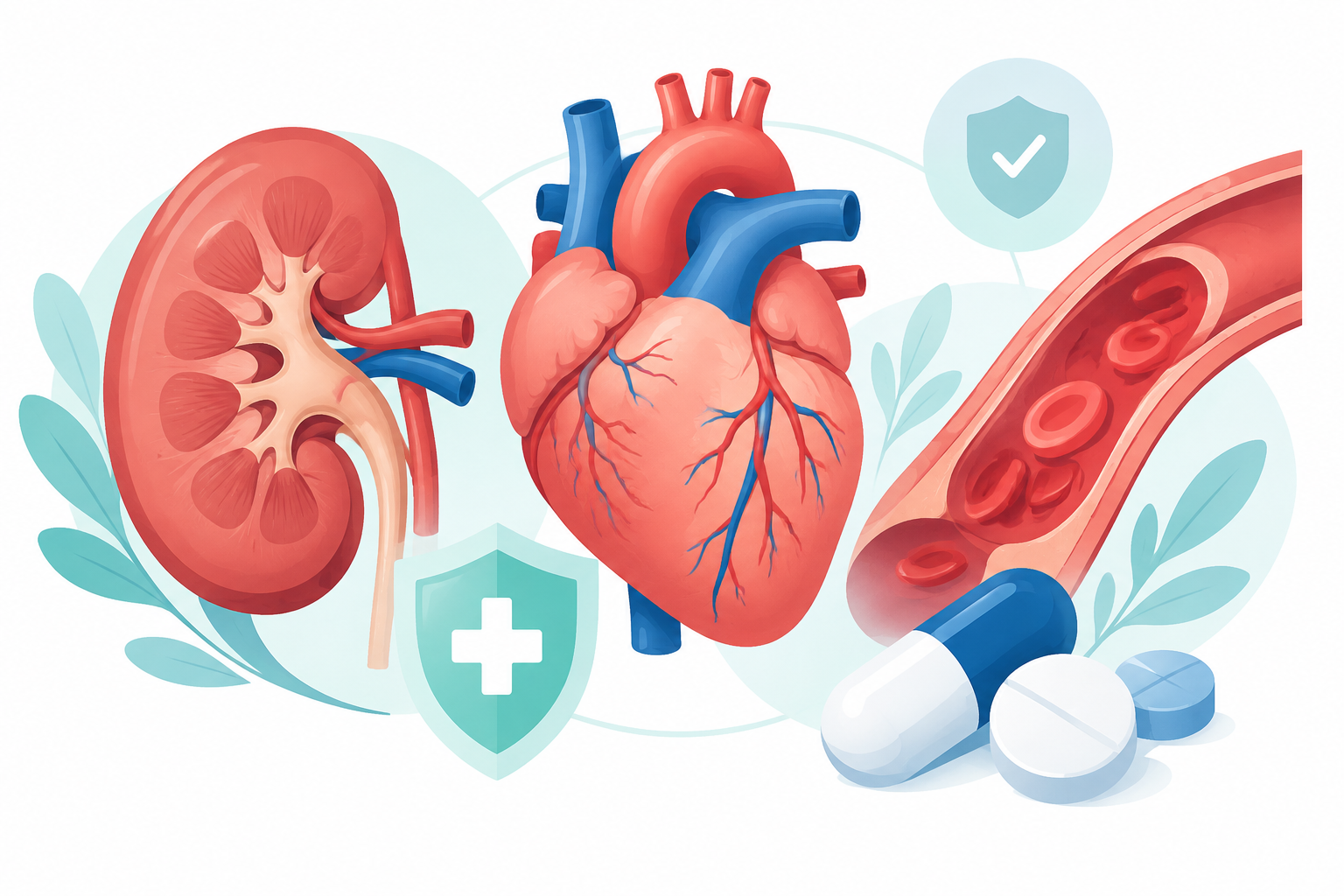
ACE inhibitors are drugs used for high blood pressure and heart failure. They also help protect the kidneys in selected patients with albuminuria. Albuminuria means excess albumin in urine. Some ACE inhibitors improve survival after a heart attack.
ACE stands for angiotensin-converting enzyme. Common examples are enalapril, lisinopril, ramipril, and captopril. Most names end in -pril.
For B.Pharma and D.Pharma students, this class is important because its side effects follow directly from its action. The key adverse effects are dry cough, high potassium, low blood pressure, kidney function changes, and angioedema.
These notes are for GPAT revision. The doses below are study references, not instructions for self-treatment.
Dose Chart
These are oral doses for hypertension, not heart failure. Adult doses assume no major kidney impairment. Doses for other conditions may differ.
| Drug / Form | Adult Dose | Child Dose |
|---|---|---|
| Enalapril, oral tablet or solution | Start 5 mg once daily. Usual maintenance: 10–40 mg/day, given once daily or in two divided doses. | Age at least 1 month: start 0.08 mg/kg once daily; initial maximum 5 mg. Doses above 0.58 mg/kg/day or 40 mg/day have not been studied. |
| Lisinopril, oral tablet or solution | Start 10 mg once daily. Usual maintenance: 20–40 mg once daily. | Age at least 6 years: start 0.07 mg/kg once daily; initial maximum 5 mg. Doses above 0.61 mg/kg/day or 40 mg/day have not been studied. |
| Ramipril, oral capsule | Start 2.5 mg once daily. Usual maintenance: 2.5–20 mg/day, given once daily or in two divided doses. | A standard approved paediatric dose is not established. Specialist advice is required. |
Dose precautions:
- Children need specialist prescribing. The studied upper limits are not routine target doses.
- Enalapril is not recommended in neonates. Lisinopril is not recommended below age 6 years.
- These paediatric regimens are not recommended when estimated GFR is below 30 mL/min/1.73 m².
- Lower starting doses may be needed with diuretic use, dehydration, or reduced kidney function.
- Check blood pressure, potassium, and kidney function before treatment and after dose changes.
How it Works
ACE changes angiotensin I into angiotensin II. Angiotensin II narrows blood vessels and promotes aldosterone release.
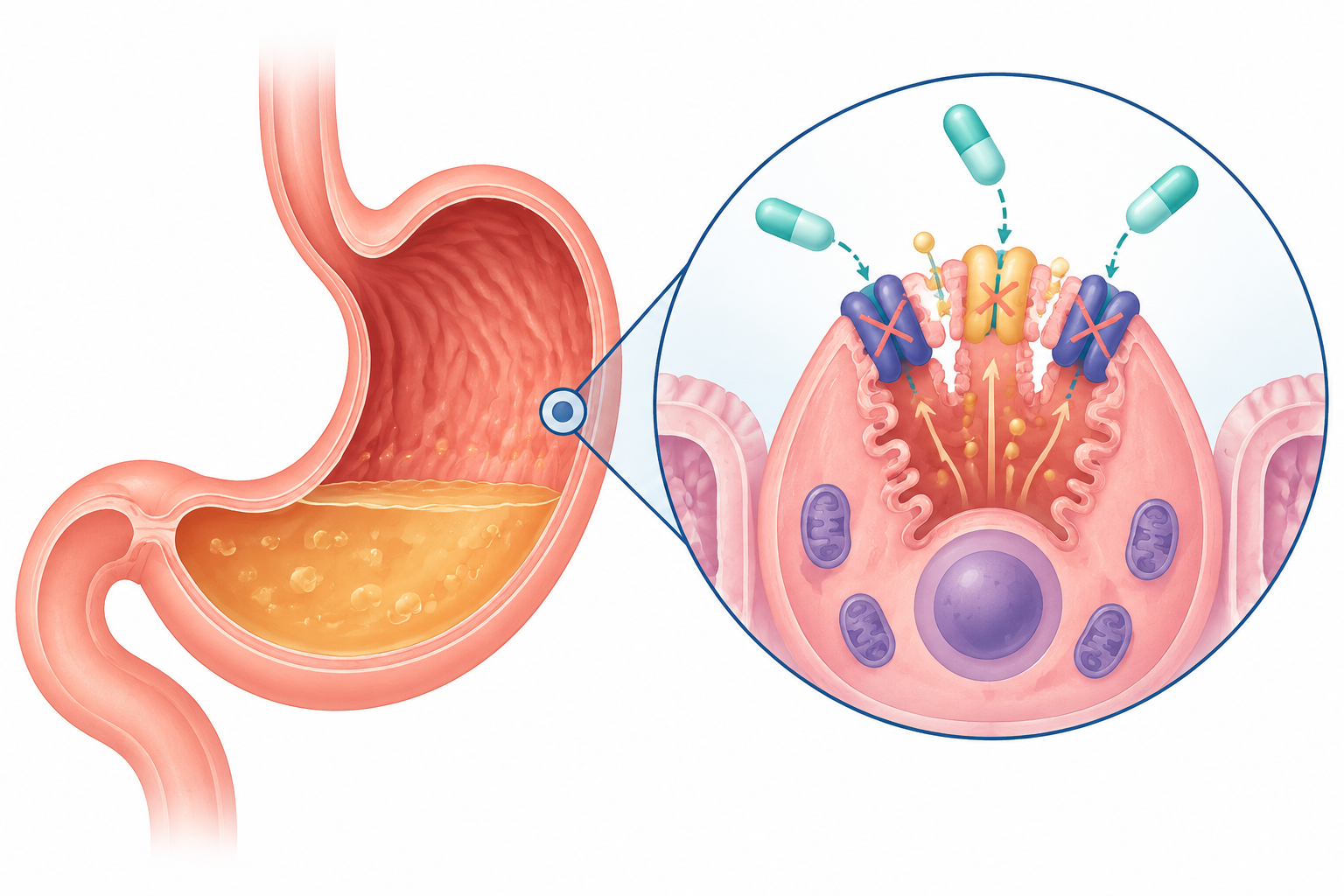
ACE inhibitors reduce angiotensin II formation. Blood vessels relax, so blood pressure falls. Aldosterone also falls. This reduces sodium retention but can cause potassium retention.
ACE also breaks down bradykinin. Blocking ACE increases bradykinin. This helps widen blood vessels, but it can also cause cough and angioedema.
In the kidney, these drugs dilate the efferent arteriole. This lowers pressure inside the glomerulus. It can reduce protein loss in urine, but kidney filtration may fall in vulnerable patients.
Side Effects
-
Dry cough: The cough is usually persistent and produces little or no sputum. Increased bradykinin and substance P contribute. It is not usually an allergy. If troublesome, a prescriber may replace the ACE inhibitor with an angiotensin receptor blocker, or ARB.
-
Hyperkalaemia: This means high blood potassium. Reduced aldosterone decreases potassium excretion. Risk rises with kidney disease, potassium supplements, potassium-containing salt substitutes, and potassium-sparing diuretics such as spironolactone. Severe hyperkalaemia can disturb heart rhythm.
-
First-dose hypotension: Blood pressure may fall sharply after the first dose. Dizziness or fainting can occur. Risk is higher in people who are dehydrated, salt-depleted, or taking diuretics.
-
Raised creatinine or acute kidney injury: A small creatinine rise may occur after starting treatment. A larger rise needs review. Severe bilateral renal artery stenosis, or stenosis affecting a single functioning kidney, increases risk. Dehydration also increases risk.
-
Angioedema: Swelling may affect the lips, tongue, face, or throat. It can occur even after long-term use. Tongue or throat swelling is an emergency, especially with breathing trouble. Stop the ACE inhibitor and seek emergency care. The class must not be restarted after ACE inhibitor-induced angioedema.
-
Pregnancy-related fetal harm: ACE inhibitors should not be used during pregnancy. They can damage fetal kidneys and reduce amniotic fluid, particularly later in pregnancy. Pregnancy during treatment needs prompt medical review and a safer replacement.
-
Other effects: Rash and taste disturbance are associated especially with captopril. Neutropenia is rare but is another important captopril-related exam point.
Avoid combining an ACE inhibitor with an ARB routinely. Also remember the “triple whammy”: an ACE inhibitor or ARB plus a diuretic plus an NSAID increases acute kidney injury risk.
3 Important Exam Points for GPAT
- Bradykinin accumulation explains dry cough and contributes to angioedema. ARBs do not directly inhibit bradykinin breakdown, so cough is less common with them.
- Reduced aldosterone can cause hyperkalaemia. Potassium supplements and potassium-sparing diuretics need careful review and monitoring.
- Efferent arteriolar dilation links benefit and risk. It reduces glomerular pressure and albuminuria, but can impair filtration in severe renal artery stenosis.
3 MCQs
1. Which substance mainly explains ACE inhibitor-induced dry cough?
A. Histamine
B. Bradykinin
C. Dopamine
D. Insulin
Answer: B
2. Which electrolyte change is associated with enalapril?
A. Hypokalaemia
B. Hypercalcaemia
C. Hyperkalaemia
D. Hypomagnesaemia
Answer: C
3. Which adverse effect requires emergency assessment?
A. Mild taste change
B. Occasional mild dizziness
C. Mild dry cough
D. Tongue swelling with breathing difficulty
Answer: D
FAQs
Does every patient develop a cough?
No. Only some patients develop it. A new cough also needs assessment for other causes.
Are ARBs free from angioedema risk?
No. Their risk is lower, but angioedema can still occur. Switching after ACE inhibitor-related angioedema requires careful medical assessment.
When should blood tests be repeated?
Potassium and kidney function are commonly checked within 1–2 weeks of starting treatment or increasing the dose. High-risk patients may need earlier testing.
Can patients use potassium salt substitutes?
They should not use them without medical advice. These products may raise potassium to unsafe levels during ACE inhibitor treatment.
Take Free Test on this Topic
Check what you learned with quick GPAT-style questions.
Start Free Test →Unlock 500 Blogs for ₹199
Unlock NowFor educational use only — not medical advice. Always check doses with current prescribing information.