NSAID Side Effects and Drug Dose Chart for GPAT
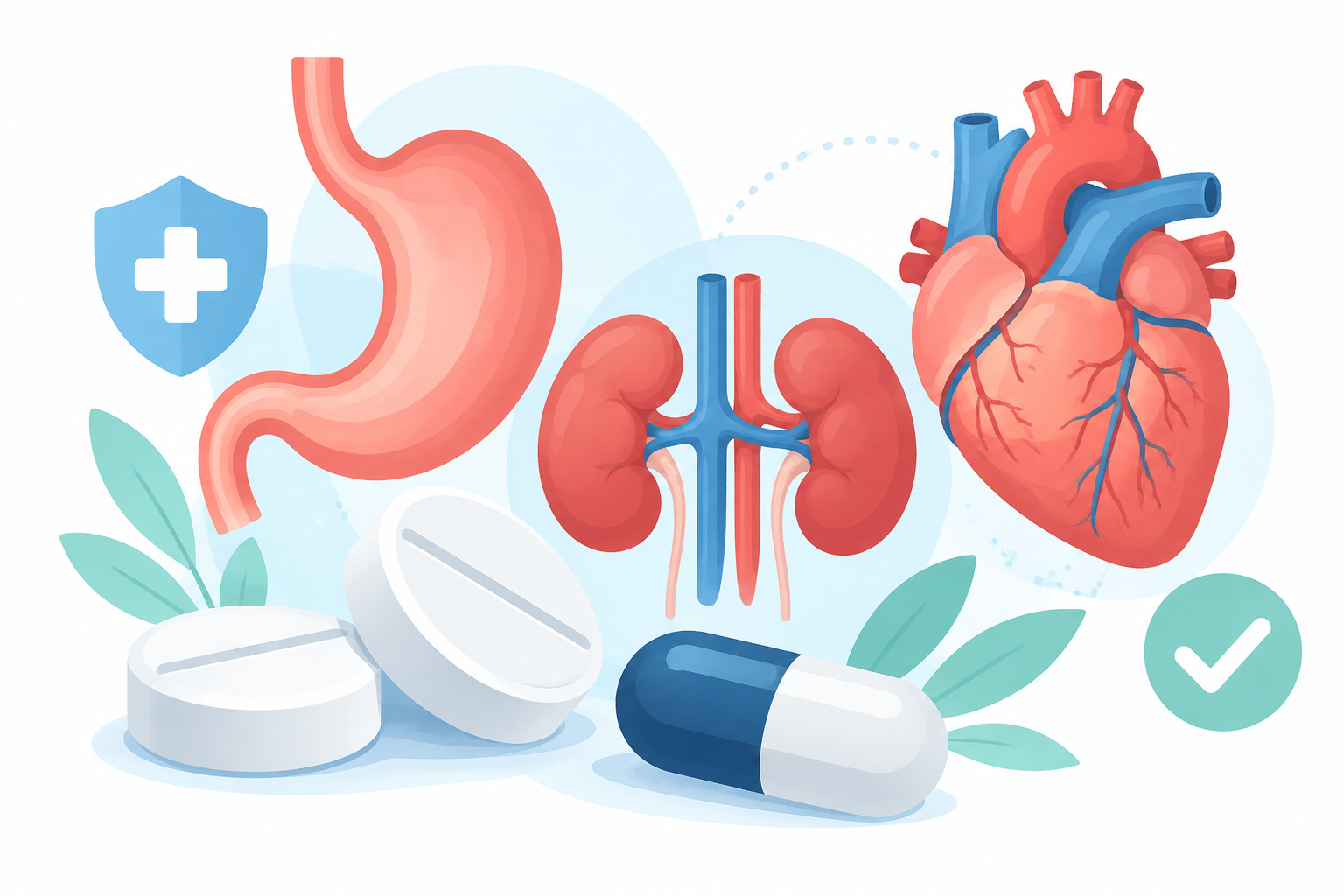
NSAIDs reduce pain and inflammation but can cause stomach bleeding, kidney injury, and cardiovascular problems. Review standard doses, aspirin-specific warnings, and key GPAT questions.
What is it?
NSAIDs are non-steroidal anti-inflammatory drugs. They reduce pain, fever, and inflammation. Common examples include ibuprofen, naproxen, and aspirin.
Doctors use these medicines for joint pain, muscle pain, period pain, and other painful conditions. However, NSAIDs can harm the stomach, kidneys, and heart. Their risks depend on the drug, dose, treatment length, and patient.
For B.Pharma and D.Pharma students, NSAID side effects are an important pharmacology topic. GPAT questions often link their unwanted effects to reduced prostaglandin production.
These notes explain standard doses and major safety points. The dose chart is for study, not a personal prescription.
Dose Chart
The doses below are oral doses. Check the indication, age, body weight, and product strength before using any medicine.
| Drug / Form | Adult Dose | Child Dose |
|---|---|---|
| Ibuprofen, immediate-release tablet or suspension | For pain or fever: 200–400 mg every 4–6 hours as needed. Maximum without medical supervision: 1,200 mg/day. Prescription maximum: 3,200 mg/day in divided doses. | Age 6 months and above: 5–10 mg/kg per dose every 6–8 hours. Maximum: 40 mg/kg/day, without exceeding 400 mg per dose. |
| Naproxen, immediate-release tablet or suspension | For arthritis: 250–500 mg twice daily. Usual maximum: 1,000 mg/day. | For juvenile idiopathic arthritis, age 2 years and above: 5 mg/kg per dose twice daily. Specialist supervision is needed. |
| Aspirin, immediate-release tablet | For pain or fever: 325–650 mg every 4–6 hours as needed. Maximum: 4,000 mg/day. | Do not use routinely for childhood pain or fever. Specialist uses, such as Kawasaki disease, have separate dosing schedules. |
Important dose notes:
- A maximum dose is a ceiling, not a target.
- Naproxen and naproxen sodium have different labelled strengths. Do not swap them blindly.
- Measure children's liquids with an oral syringe. Check the concentration carefully.
- Prescription-strength dosing needs medical supervision. Kidney disease, ulcers, and older age may change the treatment choice.
- Low-dose aspirin for preventing blood clots uses a different schedule from aspirin for pain.
How it Works
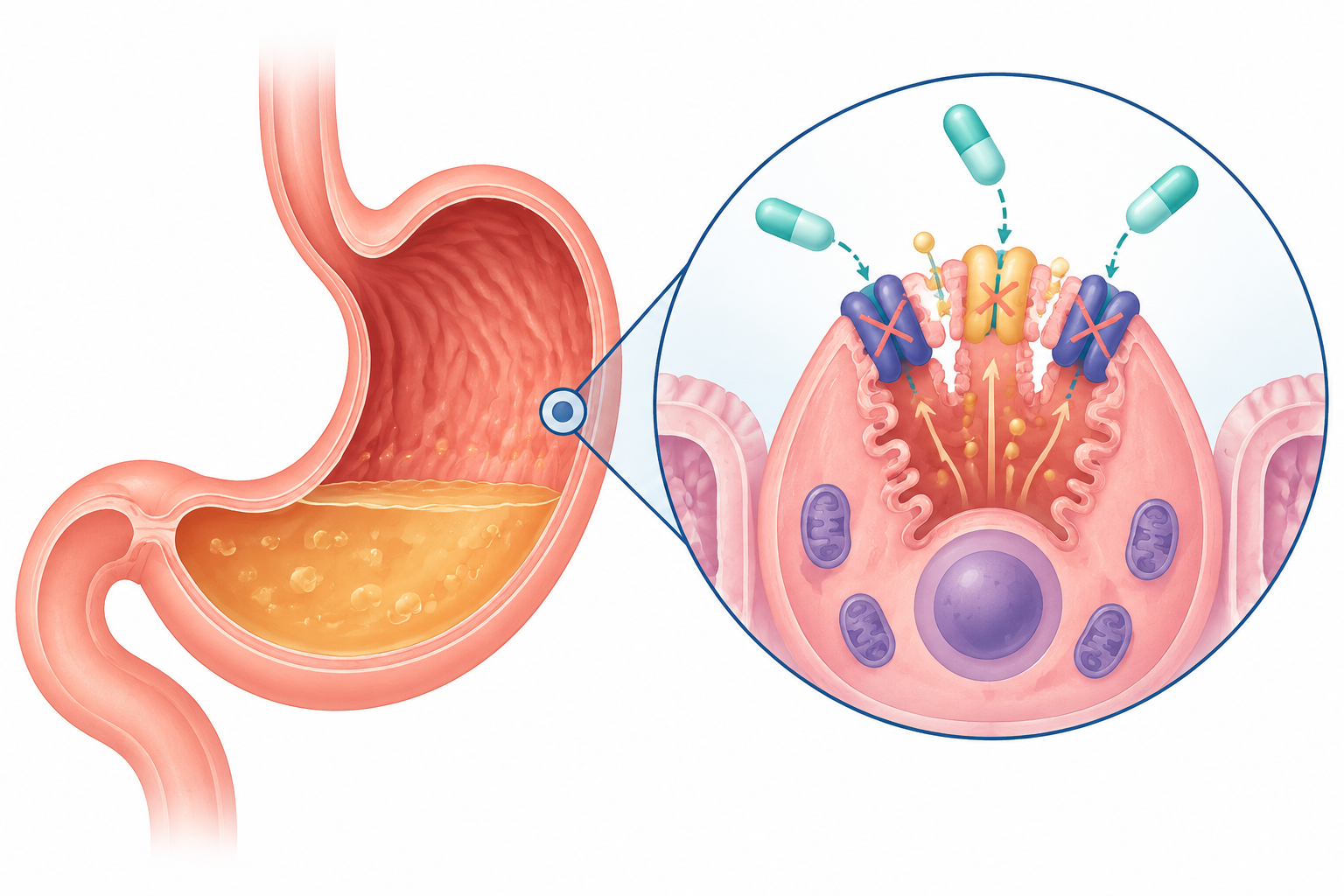
NSAIDs block cyclooxygenase enzymes, called COX enzymes. These enzymes help the body make prostaglandins and thromboxane.
- COX-1 helps protect the stomach lining. It also supports platelet thromboxane production.
- COX-2 contributes to pain and inflammation. It also has normal roles in organs such as the kidneys.
Lower prostaglandin levels reduce pain and fever. However, they also reduce stomach protection and can lower kidney blood flow.
Most NSAIDs inhibit COX reversibly. Aspirin inhibits it irreversibly. Its effect on platelet function lasts for the affected platelet's lifespan, about 7–10 days.
Selective COX-2 inhibitors, such as celecoxib, usually cause fewer stomach ulcers than traditional NSAIDs. They still carry kidney and cardiovascular risks.
Side Effects
1. Stomach irritation, ulcers, and bleeding
Common problems include heartburn, nausea, and stomach discomfort. Serious effects include ulcers, bleeding, and perforation. Risk rises with previous ulcers, older age, anticoagulants, or corticosteroids.
Taking an NSAID with food may reduce discomfort. It does not reliably prevent ulcers or bleeding.
2. Kidney injury and fluid retention
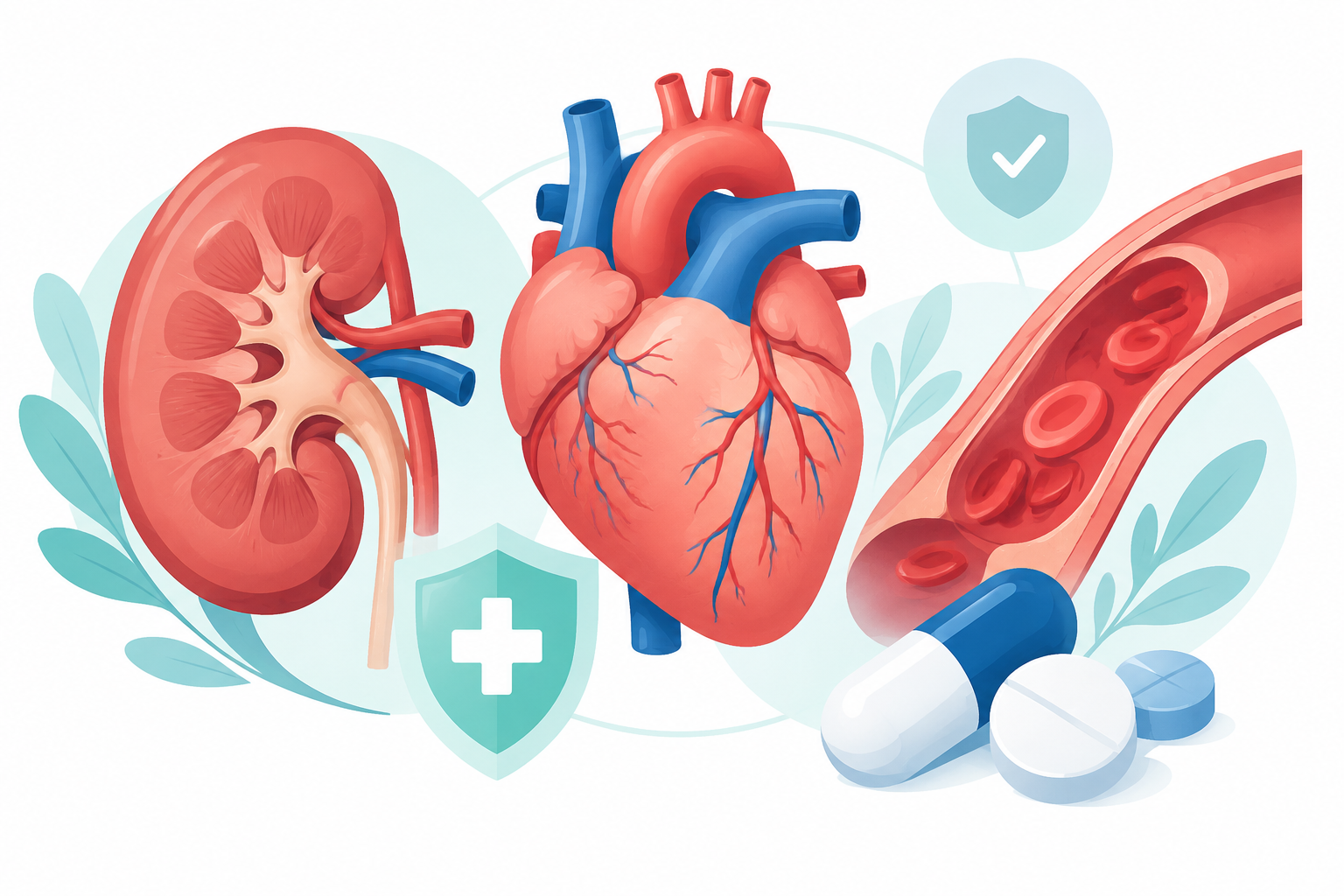
NSAIDs reduce kidney prostaglandins. This can narrow the afferent arteriole and lower filtration, especially during dehydration. They may cause acute kidney injury, swelling, high potassium, or increased blood pressure.
Risk is higher in kidney disease and heart failure. Combining an NSAID with an ACE inhibitor or ARB plus a diuretic creates the dangerous “triple whammy.”
3. Heart attack and stroke risk
Non-aspirin NSAIDs can increase heart attack and stroke risk. Use the lowest effective dose for the shortest necessary time. They can also worsen heart failure.
4. Wheezing and allergic reactions
NSAIDs may trigger bronchospasm in susceptible people. This is especially important in aspirin-exacerbated respiratory disease. Not every person with asthma reacts to NSAIDs.
5. Aspirin-specific effects
Aspirin can cause tinnitus, especially at higher doses. It is linked to Reye syndrome in children and teenagers with viral illnesses, particularly influenza or chickenpox.
6. Pregnancy risks
Avoid NSAIDs from 20 weeks of pregnancy unless a clinician advises otherwise. They can cause fetal kidney problems and low amniotic fluid. From about 30 weeks, premature closure of the fetal ductus arteriosus is another major risk. Prescribed low-dose aspirin has separate guidance.
Vomiting blood, black stools, severe breathlessness, or very low urine output needs urgent medical care.
3 Important Exam Points for GPAT
- Mechanism explains toxicity: Reduced protective prostaglandins cause stomach injury and reduced kidney blood flow.
- Aspirin is different: It irreversibly inhibits platelet COX. Remember bleeding, tinnitus, and the Reye syndrome warning.
- COX-2 selectivity is not complete safety: Celecoxib generally causes fewer gastrointestinal ulcers, but kidney injury and cardiovascular risks remain.
3 MCQs
1. Which change explains NSAID-related acute kidney injury?
A. Increased kidney prostaglandin production
B. Reduced protective kidney prostaglandin production
C. Increased insulin release
D. Increased stomach mucus
Answer: B
2. Which NSAID irreversibly inhibits platelet COX?
A. Ibuprofen
B. Naproxen
C. Aspirin
D. Celecoxib
Answer: C
3. Aspirin use during a viral illness in children is linked to which condition?
A. Reye syndrome
B. Cushing syndrome
C. Parkinson disease
D. Iron-deficiency anaemia
Answer: A
FAQs
Can two NSAIDs be taken together?
Usually, no. Combining ibuprofen and naproxen increases harm without a useful extra benefit. Patients taking prescribed low-dose aspirin should check before adding an NSAID.
Does food prevent NSAID stomach bleeding?
No. Food may reduce discomfort. A proton pump inhibitor may be prescribed for patients at higher gastrointestinal risk.
Is paracetamol an NSAID?
Paracetamol is not usually classified as an NSAID. It reduces pain and fever but has little clinically useful anti-inflammatory action.
Are NSAIDs safe during dehydration?
They can increase kidney injury risk during dehydration. Vomiting, diarrhoea, or poor fluid intake should prompt advice from a healthcare professional before use.
Take Free Test on this Topic
Check what you learned with quick GPAT-style questions.
Start Free Test →Unlock 500 Blogs for ₹199
Unlock NowFor educational use only — not medical advice. Always check doses with current prescribing information.