Iron Deficiency Anaemia: Drug Dose Chart and GPAT Notes
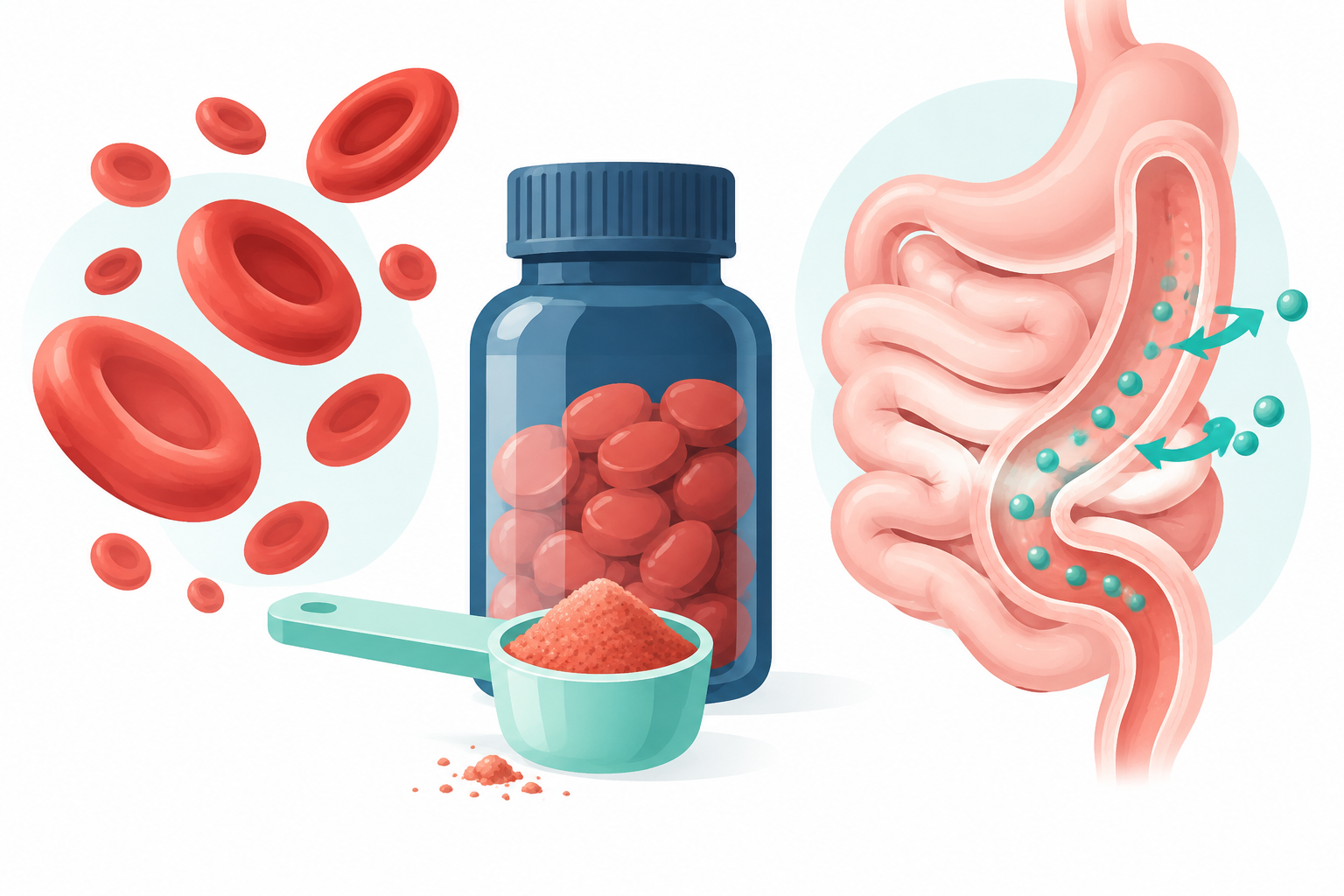
Iron deficiency anaemia reduces haemoglobin and oxygen delivery. Learn elemental iron doses, common side effects, treatment monitoring and key GPAT exam facts.
What is it?
Iron deficiency anaemia happens when the body lacks enough iron to make haemoglobin. Haemoglobin is the protein in red blood cells that carries oxygen. Without enough haemoglobin, tissues receive less oxygen.
This is a common nutritional disorder. It is also an important topic for GPAT, B.Pharma and D.Pharma students.
Common causes include:
- Low iron intake from food.
- Heavy menstrual bleeding.
- Slow blood loss from the stomach or intestine.
- Increased iron needs during pregnancy and growth.
- Poor absorption, such as in coeliac disease.
- Hookworm infection in affected regions.
Patients may feel tired, weak or breathless. Pale skin, headache and a fast heartbeat may occur. Severe or long-standing deficiency can cause spoon-shaped nails. Some patients develop pica, which means craving substances such as ice or soil.
A complete blood count usually shows low haemoglobin. Red blood cells are often small and pale. These changes are called microcytic, hypochromic anaemia. Early iron deficiency may still have normal-sized cells.
Low serum ferritin strongly supports iron deficiency. However, inflammation can raise ferritin and hide low iron stores. Doctors may also check transferrin saturation and look for bleeding.
Dose Chart
All treatment doses below refer to elemental iron, not the total weight of the iron salt. These are standard oral treatment ranges, not prevention doses. Actual prescriptions depend on age, severity, tolerance and the product label.
| Drug / Form | Adult Dose | Child Dose |
|---|---|---|
| Ferrous sulfate, oral tablet or liquid | Traditional treatment: 100–200 mg elemental iron daily, usually in 1–2 doses | 3–6 mg/kg/day elemental iron, given once daily or in divided doses |
| Ferrous fumarate, oral tablet or liquid | 100–200 mg elemental iron daily, usually in 1–2 doses | 3–6 mg/kg/day elemental iron, given once daily or in divided doses |
| Ferrous gluconate, oral tablet or liquid | 100–200 mg elemental iron daily, usually in 1–2 doses | 3–6 mg/kg/day elemental iron, given once daily or in divided doses |
These salts are alternatives, not medicines to take together. Children's total doses should not exceed the usual adult treatment dose. A suitable liquid helps measure small doses accurately.
Common product examples are:
- Ferrous sulfate 325 mg: about 65 mg elemental iron.
- Ferrous fumarate 300 mg: about 99 mg elemental iron.
- Ferrous gluconate 325 mg: about 35 mg elemental iron.
Formulations differ, so always check the label. For example, a 10 kg child prescribed 3 mg/kg/day needs 30 mg elemental iron daily. The liquid volume depends on its elemental iron concentration.
Many current treatment plans start adults with a lower once-daily dose, such as 50–100 mg elemental iron. Alternate-day dosing may help when side effects occur. Do not confuse these approaches with the traditional textbook range.
Oral iron works best on an empty stomach. Taking it with food can reduce stomach upset, but may lower absorption. Keep tea, coffee, calcium supplements and antacids about two hours away from the dose. Separate levothyroxine from iron by at least four hours.
How it Works
Iron is absorbed mainly in the duodenum and upper small intestine. Ferrous iron, or Fe²⁺, is generally absorbed more easily than ferric iron, or Fe³⁺.
After absorption, iron binds to transferrin, its transport protein. Transferrin carries iron to the bone marrow. Developing red blood cells use it to make haemoglobin. Extra iron is stored mainly as ferritin.
The hormone hepcidin controls iron availability. It reduces iron absorption and iron release from body stores by acting on ferroportin. Hepcidin often rises during inflammation.
Effective treatment usually increases reticulocytes within about 7–10 days. Haemoglobin commonly rises by around 1–2 g/dL over 2–4 weeks. Response varies with the starting level and ongoing blood loss.
Treatment usually continues for about three months after haemoglobin becomes normal. This helps refill iron stores. The cause of deficiency must also be treated.
Intravenous iron may be needed if oral iron fails, is not tolerated, or cannot be absorbed properly. Its dose depends on the preparation and calculated iron need.
Side Effects
Common oral iron side effects include:
- Nausea and stomach discomfort.
- Constipation or diarrhoea.
- A metallic taste.
- Dark stools.
Dark stools alone are expected. However, sticky, tar-like stools with dizziness or weakness may indicate bleeding and need medical assessment.
Liquid iron can stain teeth. Use an oral syringe carefully and rinse the mouth afterwards.
Intravenous iron can cause infusion reactions. Serious allergic reactions are uncommon but require supervised administration. Some preparations, especially ferric carboxymaltose, can cause low phosphate levels.
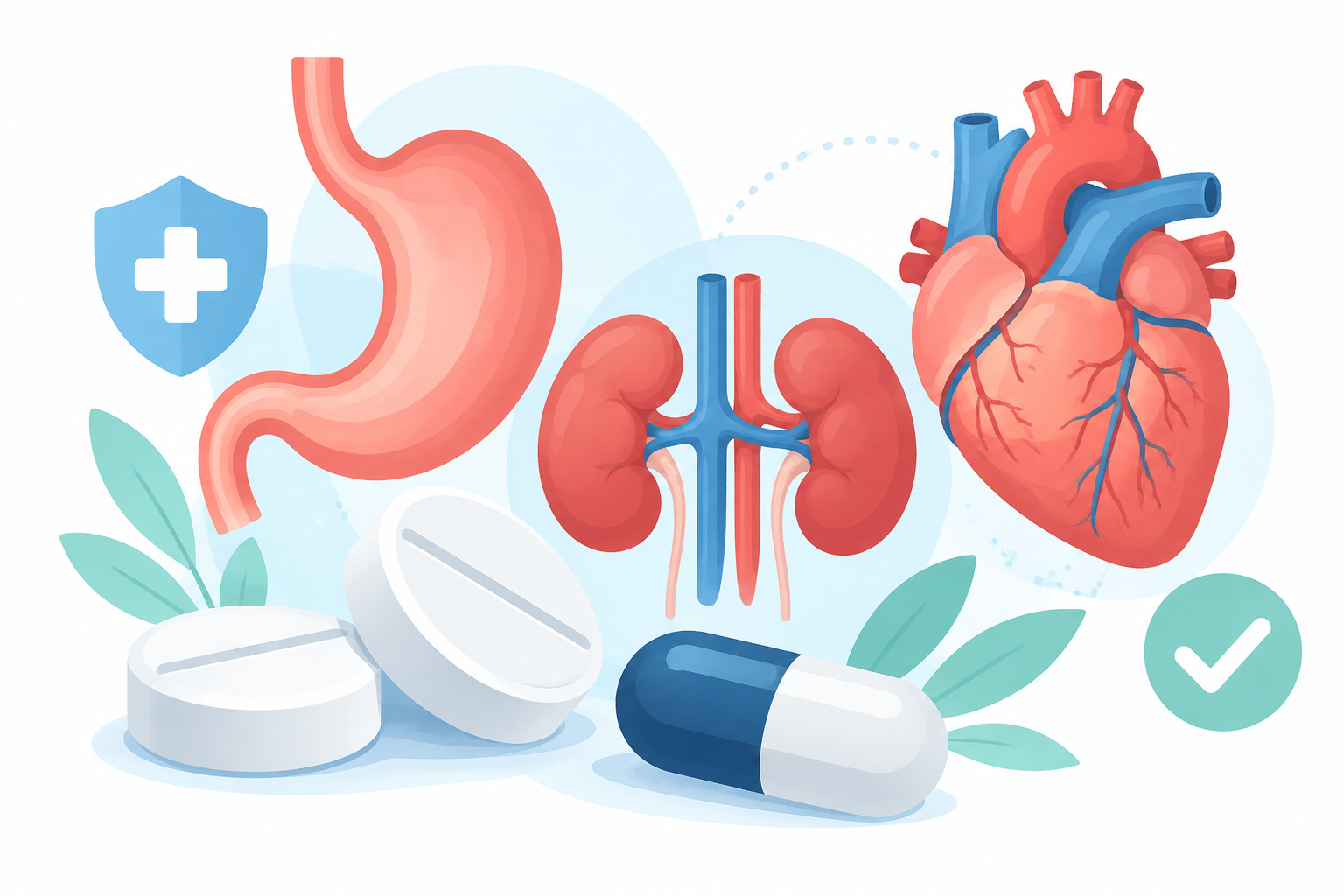
Iron overdose is a medical emergency, especially in children. Keep tablets and liquids locked away. Never treat every anaemia with iron; vitamin B12 deficiency, haemolysis and other causes need different treatment.
3 Important Exam Points for GPAT
- Calculate elemental iron. The weight of an iron salt is not the amount of usable iron in the dose.
- Know the typical laboratory pattern. Iron deficiency usually causes low ferritin, low serum iron, low transferrin saturation and increased total iron-binding capacity.
- Remember deferoxamine. It is an iron-chelating antidote used in significant acute iron poisoning under specialist care.
3 MCQs
1. Where is dietary iron mainly absorbed?
A. Stomach
B. Duodenum and upper small intestine
C. Colon
D. Rectum
Answer: B
2. Which protein mainly transports iron in blood?
A. Ferritin
B. Albumin
C. Transferrin
D. Haemoglobin
Answer: C
3. A 10 kg child needs 3 mg/kg/day of elemental iron. What is the daily dose?
A. 3 mg
B. 10 mg
C. 30 mg
D. 300 mg
Answer: C
FAQs
Can diet alone treat iron deficiency anaemia?
Diet supports recovery, but established anaemia usually needs iron replacement. Beans, lentils, meat and iron-fortified foods can help.
Why continue iron after haemoglobin becomes normal?
Haemoglobin may recover before iron stores are full. Continuing treatment helps restore these stores and reduce recurrence.
Does every patient need vitamin C tablets with iron?
No. Vitamin C can improve non-haem iron absorption, but routine vitamin C supplementation is not necessary for everyone.
Take Free Test on this Topic
Check what you learned with quick GPAT-style questions.
Start Free Test →Unlock 500 Blogs for ₹199
Unlock NowFor educational use only — not medical advice. Always check doses with current prescribing information.