Paracetamol: Dose, Uses, Mechanism, and Side Effects
Paracetamol is a widely used analgesic and antipyretic drug. It acts mainly in the central nervous system to reduce pain and fever. This guide covers its dosage, mechanism, toxicity, and high-yield GPAT points.
What is it?
Paracetamol is also called Acetaminophen. It is one of the most common over-the-counter medicines in the world.
It belongs to the class of non-opioid analgesics and antipyretics. It relieves mild to moderate pain. It also reduces high body temperature during fever.
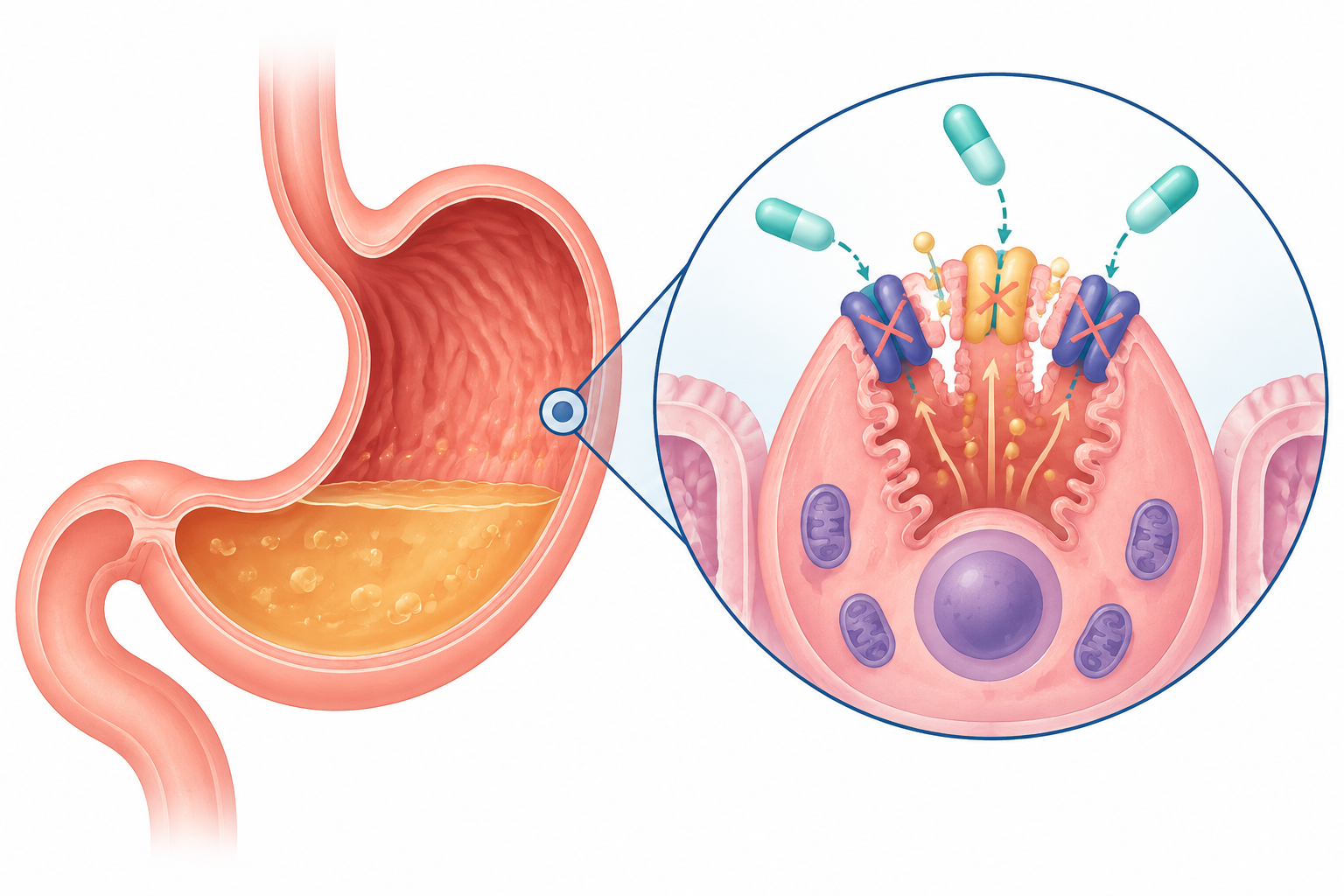
Unlike classic NSAIDs like Aspirin or Ibuprofen, paracetamol has very weak peripheral anti-inflammatory action. It does not cause gastric irritation. It does not affect platelet aggregation either. Because of its high safety profile at therapeutic doses, it is the first choice for fever in children and adults.
Salt and Composition
The chemical name of paracetamol is N-acetyl-p-aminophenol (APAP). It is a synthetic derivative of p-aminophenol.
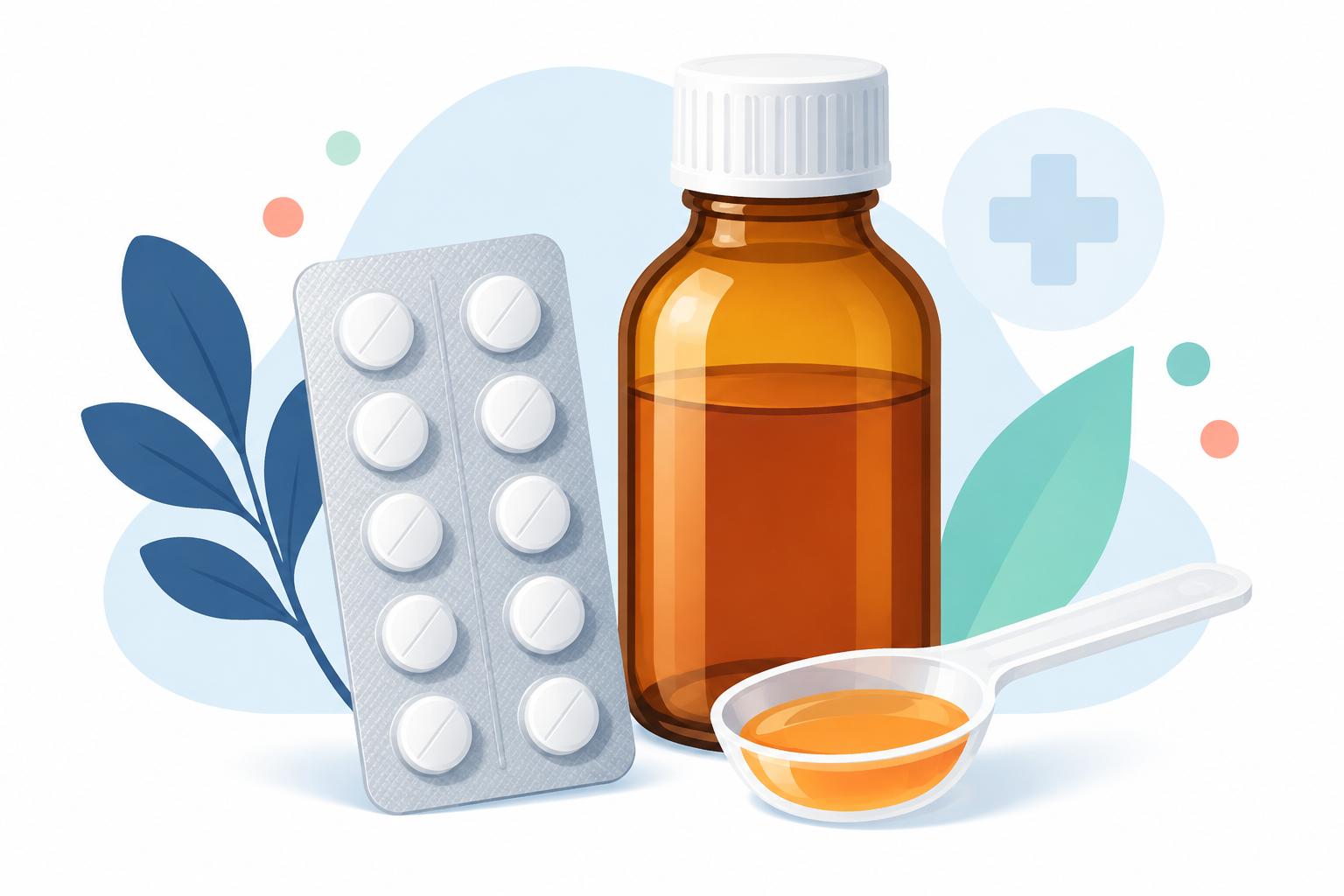
Paracetamol is available in many dosage forms:
- Tablets: Common strengths include 500 mg and 650 mg.
- Oral Suspensions / Syrups: Common strengths are 120 mg / 5 mL and 250 mg / 5 mL for pediatric use.
- Intravenous (IV) Infusion: Available as 10 mg/mL (1000 mg in 100 mL vials).
- Suppositories: Available in 80 mg, 170 mg, and 250 mg for rectal use.
Popular brand names include:
- Crocin
- Dolo-650
- Calpol
- Tylenol
- Pacimol
Dose Chart
Always follow standard weight-based calculations for pediatric patients.
| Drug / Form | Adult Dose | Child Dose |
|---|---|---|
| Oral Tablet (500 mg / 650 mg) | 500 mg to 1000 mg every 4 to 6 hours (Max: 4000 mg / 24 hours) | Not recommended for young children under 10 years without weight check |
| Oral Suspension / Syrup (120 mg / 5 mL or 250 mg / 5 mL) | 10 mL to 20 mL of 250 mg/5 mL every 4 to 6 hours | 10 to 15 mg/kg per dose every 4 to 6 hours (Max: 60 mg/kg / 24 hours) |
| IV Infusion (10 mg / mL) | 1000 mg every 6 hours (Max: 4000 mg / 24 hours) | 15 mg/kg per dose for children weighing between 10 kg and 50 kg |
| Rectal Suppository | 500 mg to 1000 mg every 6 hours (Max: 4000 mg / 24 hours) | 15 to 20 mg/kg per dose every 6 to 8 hours |
How it Works in the Human Body
Paracetamol reduces pain and fever by acting primarily inside the Central Nervous System (CNS).
Here is the step-by-step mechanism:
- Absorption and Distribution: The drug is quickly absorbed from the gastrointestinal tract. It crosses the blood-brain barrier and enters the brain.
- Inhibition of Prostaglandin Synthesis: Inside the brain, paracetamol inhibits cyclooxygenase (COX) enzymes, particularly COX-1 and COX-2 variants (often referred to in research as COX-3 or brain-specific COX).
- Fever Reduction in the Hypothalamus: High fever is triggered by pyrogens that increase Prostaglandin E2 (PGE2) in the preoptic area of the anterior hypothalamus. Paracetamol blocks PGE2 production in this region. This resets the hypothalamic thermostat back to normal. As a result, blood vessels in the skin dilate and sweating occurs, dissipating heat.
- Pain Relief: Paracetamol inhibits pain signals centrally. It may also stimulate descending serotonergic pathways that inhibit pain impulses in the spinal cord.
- Lack of Peripheral Anti-inflammatory Action: Peripheral inflamed tissues contain high levels of peroxides. These peroxides inactivate paracetamol. Therefore, it cannot inhibit COX enzymes at the site of joint swelling or tissue injury.
Side Effects
At therapeutic doses, paracetamol is very safe.
Mild side effects include:
- Nausea
- Mild stomach upset
- Skin rash or allergic erythema
Severe adverse reactions (mainly seen in overdose):
- Hepatotoxicity: High doses cause acute hepatic necrosis. This is due to the toxic metabolite N-acetyl-p-benzoquinone imine (NAPQI). Under normal conditions, glutathione neutralizes NAPQI. In overdose, glutathione stores deplete, and NAPQI attacks liver cells.
- Nephrotoxicity: Renal tubular necrosis can occur in acute poisoning.
- Blood dyscrasias: Rarely, leukopenia or thrombocytopenia occurs.
3 Important Exam Points for GPAT
- Toxic Metabolite and Enzyme: Paracetamol is converted into its hepatotoxic intermediate, NAPQI, primarily by the cytochrome P450 enzyme CYP2E1 (and CYP1A2).
- Specific Antidote: The specific antidote for paracetamol poisoning is N-acetylcysteine (NAC). NAC acts as a glutathione precursor and donor, replenishing liver glutathione stores to conjugate NAPQI.
- Peroxide Sensitivity: Paracetamol fails to exert significant anti-inflammatory action because it is inhibited by high concentrations of cellular peroxides present in inflamed peripheral tissues.
3 MCQs
Q1. Which toxic metabolite is responsible for paracetamol-induced hepatic necrosis?
A) Benzoic acid
B) N-acetyl-p-benzoquinone imine (NAPQI)
C) Para-aminophenol
D) Homogentisic acid
Answer: B
Q2. What is the drug of choice to treat paracetamol poisoning?
A) Naloxone
B) Flumazenil
C) N-acetylcysteine
D) Deferoxamine
Answer: C
Q3. Paracetamol lacks peripheral anti-inflammatory action because:
A) It does not bind to COX enzymes
B) It is inactivated by peroxides in inflamed tissues
C) It cannot cross blood capillaries
D) It is degraded rapidly in the kidneys
Answer: B
FAQs
Can pregnant women safely take paracetamol?
Yes. Paracetamol is considered the safest analgesic and antipyretic during pregnancy when taken at recommended therapeutic doses for short durations.
What is the maximum daily dose of paracetamol for an adult?
The maximum recommended daily dose for a healthy adult is 4000 mg (4 grams) in 24 hours. Exceeding this limit increases the risk of severe liver damage.
Why should chronic alcoholics be cautious with paracetamol?
Chronic alcohol consumption induces the CYP2E1 enzyme and depletes hepatic glutathione. This increases NAPQI formation and raises the risk of severe liver toxicity even at lower paracetamol doses.
Take Free Test on this Topic
Check what you learned with quick GPAT-style questions.
Start Free Test →Unlock 500 Blogs for ₹199
Unlock NowFor educational use only — not medical advice. Always check doses with current prescribing information.