Antihistamine Drug Dose Chart and Easy H1 Blocker Notes for GPAT
H1 antihistamines reduce allergy symptoms such as itching, sneezing and hives. Learn their usual doses, important side effects and key GPAT differences between first- and second-generation drugs.
What is it?
H1 antihistamines are medicines used to reduce allergy symptoms. They help with sneezing, an itchy nose, watery eyes and hives. Hives are raised, itchy patches on the skin. Their medical name is urticaria.
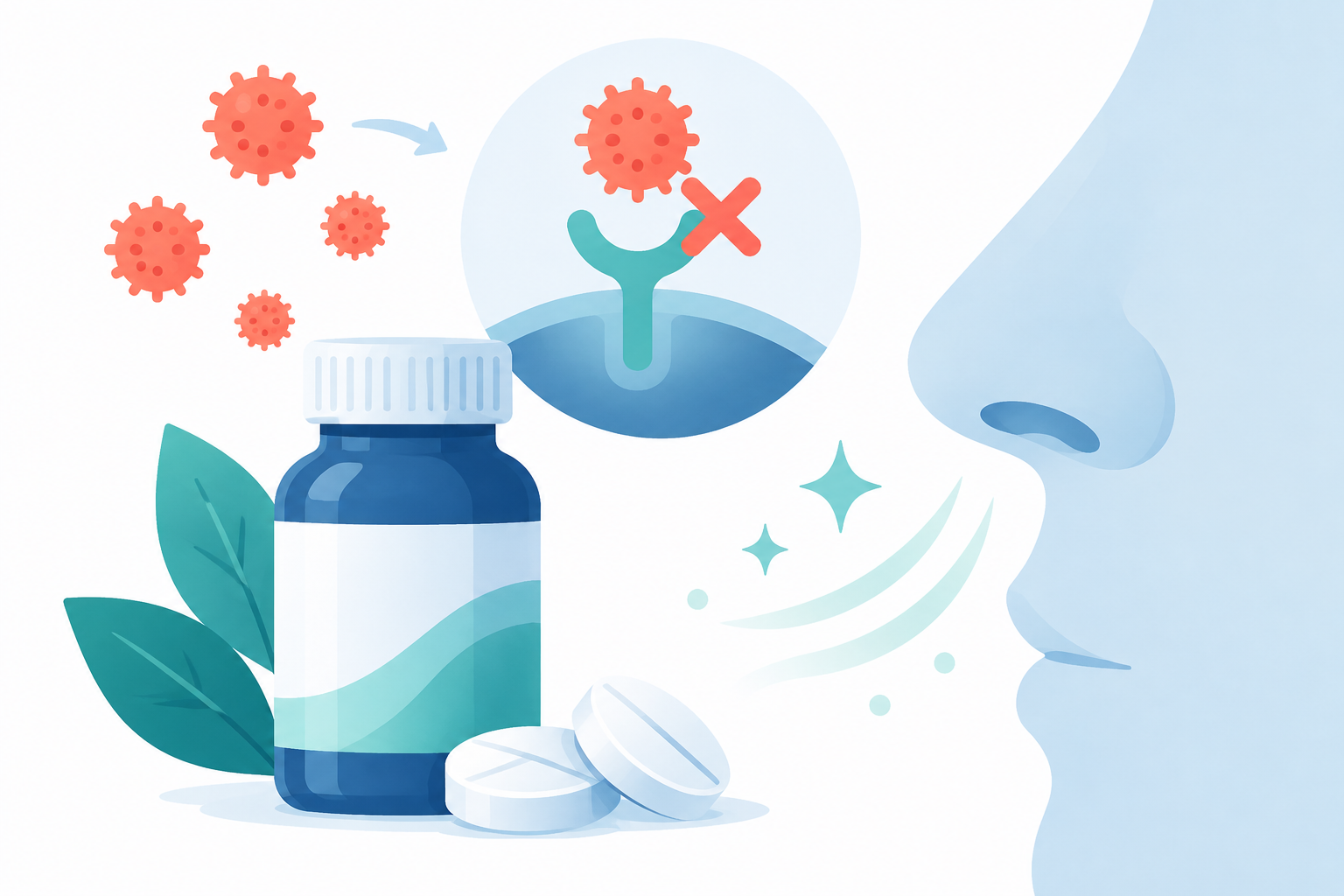
During an allergic reaction, mast cells release histamine. Histamine acts on H1 receptors and causes many allergy symptoms. H1 antihistamines reduce these effects.
For B.Pharma and D.Pharma students, this topic is useful for GPAT. Questions often test drug classification, sleepiness and receptor action.
There are two main groups:
- First-generation drugs: Chlorpheniramine, diphenhydramine and promethazine. These commonly cause sleepiness.
- Second-generation drugs: Cetirizine, loratadine and fexofenadine. These usually cause less sleepiness.
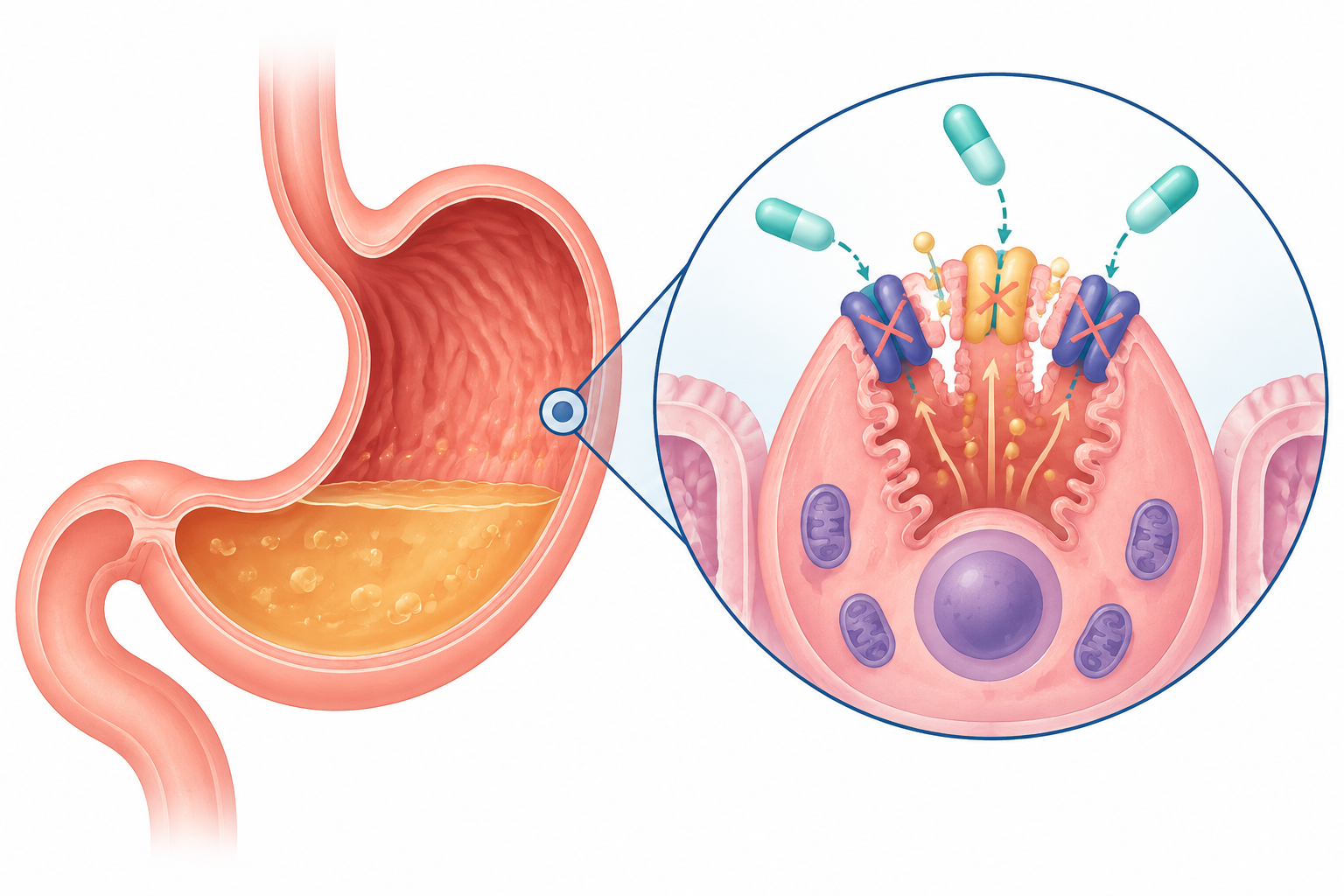
H1 antihistamines are different from H2 blockers. H2 blockers, such as famotidine, reduce stomach acid.
Dose Chart
These are usual oral doses for allergy treatment in people with normal kidney and liver function. They are study notes, not a personal prescription. Product labels and approved ages can differ by country.
| Drug / Form | Adult Dose | Child Dose |
|---|---|---|
| Chlorpheniramine, immediate-release tablet or syrup | 4 mg every 4–6 hours; maximum 24 mg/day | Age 6–11 years: 2 mg every 4–6 hours; maximum 12 mg/day |
| Cetirizine, tablet or oral solution | 5–10 mg once daily; maximum 10 mg/day | Age 6–11 years: 5–10 mg once daily, depending on symptoms; maximum 10 mg/day |
| Fexofenadine, tablet or oral suspension | 60 mg twice daily or 180 mg once daily | Age 6–11 years: 30 mg twice daily |
Important dose notes:
- These child doses apply only to the age group shown. Do not calculate a younger child's dose by simply halving an adult dose.
- Kidney disease may require a lower dose or a longer dose interval, especially with cetirizine and fexofenadine.
- Liquid strengths vary. Check the amount in mg per mL before measuring a dose. Use an oral syringe.
- Do not combine antihistamines unless a clinician advises it. Some cold medicines already contain one.
- Specialist treatment for chronic urticaria may use different doses. Do not copy such regimens without medical guidance.
How it Works
Histamine acts on H1 receptors in several tissues. It increases leakage from small blood vessels. This causes swelling and wheals. It also stimulates sensory nerves, causing itching.
H1 antihistamines keep the H1 receptor in its inactive state. The precise term is inverse agonist. Textbooks also commonly call them H1 blockers or antagonists.
They reduce the effects of released histamine. They do not mainly work by stopping histamine release from mast cells.
First-generation drugs enter the brain more easily. Blocking brain H1 receptors causes sleepiness. Many also have antimuscarinic effects, which can cause dry mouth and blurred vision.
Second-generation drugs enter the brain less readily. They are often preferred for daytime allergy symptoms. Cetirizine can still cause sleepiness. Fexofenadine is usually minimally sedating.
Some first-generation drugs also help with motion sickness. Their actions in brain pathways linked to balance and vomiting explain this use. Second-generation drugs are not useful substitutes for motion sickness treatment.
Side Effects
Common side effects include:
- Sleepiness: More common with first-generation drugs.
- Dry mouth: Linked to antimuscarinic action.
- Blurred vision, constipation and urinary difficulty: More likely with older drugs.
- Headache or mild stomach upset: Possible with newer drugs too.
Children may sometimes become unusually excited or restless instead of sleepy after a first-generation antihistamine.
Avoid alcohol with sedating antihistamines. Sleeping tablets and other sedatives can increase drowsiness. Do not drive or operate machines if alertness is reduced.
Older adults are more vulnerable to confusion and falls with first-generation drugs. These drugs also need caution in people with narrow-angle glaucoma or urinary retention.
Take fexofenadine with water. Apple, orange and grapefruit juice can reduce its absorption. Separate it from aluminium- or magnesium-containing antacids by at least two hours.
3 Important Exam Points for GPAT
- Know the generations. Chlorpheniramine is first generation. Cetirizine and fexofenadine are second generation. Greater entry into the brain explains much of the sedation caused by first-generation drugs.
- Remember the receptor action. H1 antihistamines are inverse agonists. They favour the inactive state of the H1 receptor. H1 blockers treat allergy symptoms; H2 blockers reduce gastric acid secretion.
- Do not confuse allergy relief with emergency treatment. Intramuscular adrenaline, also called epinephrine, is the first-line medicine for anaphylaxis. Antihistamines may reduce skin symptoms but do not treat shock or dangerous airway swelling. They must not delay adrenaline.
3 MCQs
1. Which antihistamine is usually minimally sedating?
A. Promethazine
B. Diphenhydramine
C. Fexofenadine
D. Chlorpheniramine
Answer: C
2. What is the most precise description of H1 antihistamine action?
A. H1 receptor inverse agonism
B. H2 receptor stimulation
C. Increased histamine release
D. Irreversible inhibition of histamine synthesis
Answer: A
3. Which medicine is first-line treatment for anaphylaxis?
A. Oral cetirizine
B. Intramuscular adrenaline
C. Oral chlorpheniramine
D. Oral fexofenadine
Answer: B
FAQs
Can cetirizine cause sleepiness?
Yes. It causes less sedation than many first-generation drugs, but some people still feel sleepy. Check its effect on you before driving.
Are antihistamines antibiotics?
No. They reduce histamine-related symptoms. They do not kill bacteria and do not treat the cause of a bacterial infection.
Which antihistamine is better for daytime use?
A second-generation drug is usually preferred because it is less sedating. Fexofenadine generally causes very little sleepiness. The choice also depends on age, kidney function and other medicines.
Can antihistamines treat an asthma attack?
No. H1 antihistamines do not provide the airway-opening effect needed during an asthma attack. They may help associated nasal allergies, but they cannot replace prescribed asthma reliever treatment.
Take Free Test on this Topic
Check what you learned with quick GPAT-style questions.
Start Free Test →Unlock 500 Blogs for ₹199
Unlock NowFor educational use only — not medical advice. Always check doses with current prescribing information.