Paracetamol Dose: Adult and Child Drug Dose for GPAT
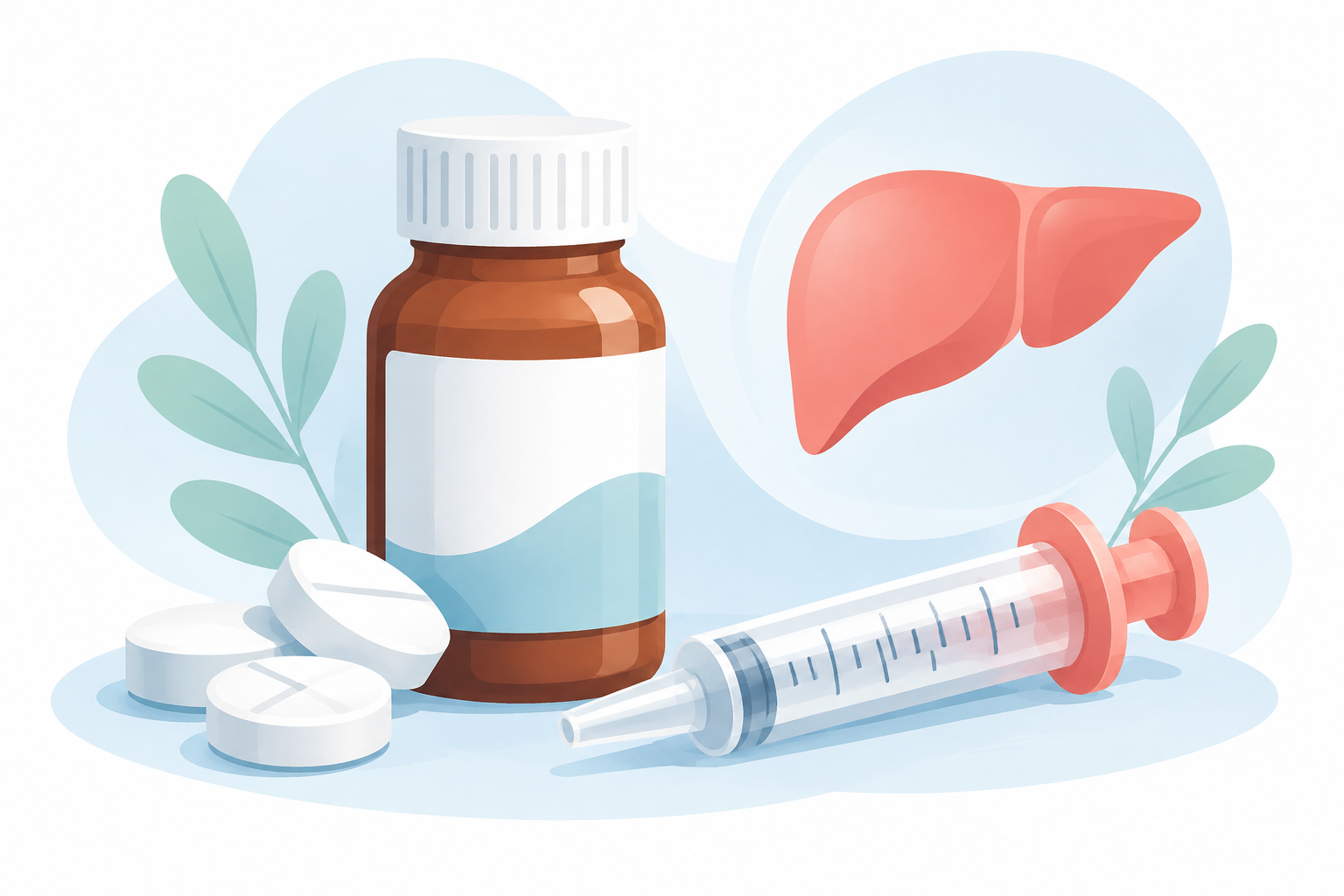
Paracetamol treats pain and fever, but safe dosing depends on weight and formulation. Learn the adult and child doses, daily limits, and key GPAT facts about NAPQI and N-acetylcysteine.
What is it?
Paracetamol is a common medicine for pain and fever. It is also called acetaminophen. It belongs to the non-opioid analgesic and antipyretic group.
Doctors use it for headache, toothache, muscle pain, and fever. It reduces symptoms but does not treat the cause of an infection. Unlike many NSAIDs, it has very little anti-inflammatory action.
The correct paracetamol dose depends on body weight, age, formulation, and liver health. Children need weight-based doses. Always check the strength printed on the pack.
This DrugClass guide covers common oral doses for B.Pharma, D.Pharma, and GPAT study. It is not a personal prescription. Injectable, rectal, and newborn doses need separate guidance.
Dose Chart
The table covers immediate-release oral products. Adult doses apply to generally healthy adults weighing at least 50 kg. Child doses below are for children aged 3 months and older.
| Drug / Form | Adult Dose | Child Dose |
|---|---|---|
| Paracetamol immediate-release tablets, commonly 500 mg | 500–1,000 mg every 4–6 hours as needed; maximum 4,000 mg in 24 hours | 10–15 mg/kg per dose every 4–6 hours as needed; use a suitable formulation and the child limits below |
| Paracetamol oral liquid, 120 mg/5 mL | Same dose in milligrams as tablets; measure the matching volume | 10–15 mg/kg per dose; calculate volume using 24 mg/mL |
| Paracetamol oral liquid, 250 mg/5 mL | Same dose in milligrams as tablets; measure the matching volume | 10–15 mg/kg per dose; calculate volume using 50 mg/mL; check the product's age restrictions |
Important dose limits:
- Leave at least 4 hours between oral doses.
- For children, a commonly used conservative limit is 4 doses and 60 mg/kg in 24 hours. Follow the lower applicable product or prescribed limit. Never exceed the adult maximum.
- Some references allow up to 75 mg/kg/day in children. Do not apply this higher limit without checking the relevant product guidance or prescription.
- The adult 4 g limit is a ceiling, not a target. Some products set a lower daily limit.
- Adults below 50 kg may need weight-based dosing and a lower maximum. Liver disease, malnutrition, or heavy alcohol use also require advice.
- Do not give paracetamol to a baby under 3 months without medical advice. Fever at this age needs prompt assessment.
Child dose calculation: A child weighs 20 kg. At 15 mg/kg, one dose is 20 × 15 = 300 mg.
- With 120 mg/5 mL liquid: give 12.5 mL per dose.
- With 250 mg/5 mL liquid: give 6 mL per dose.
Four such doses total 1,200 mg, or 60 mg/kg/day. Use an oral syringe. Shake suspensions as directed. Never use a household spoon.
Count paracetamol from all medicines together. Cold remedies and combination painkillers may also contain it. Modified-release tablets have different instructions.
How it Works
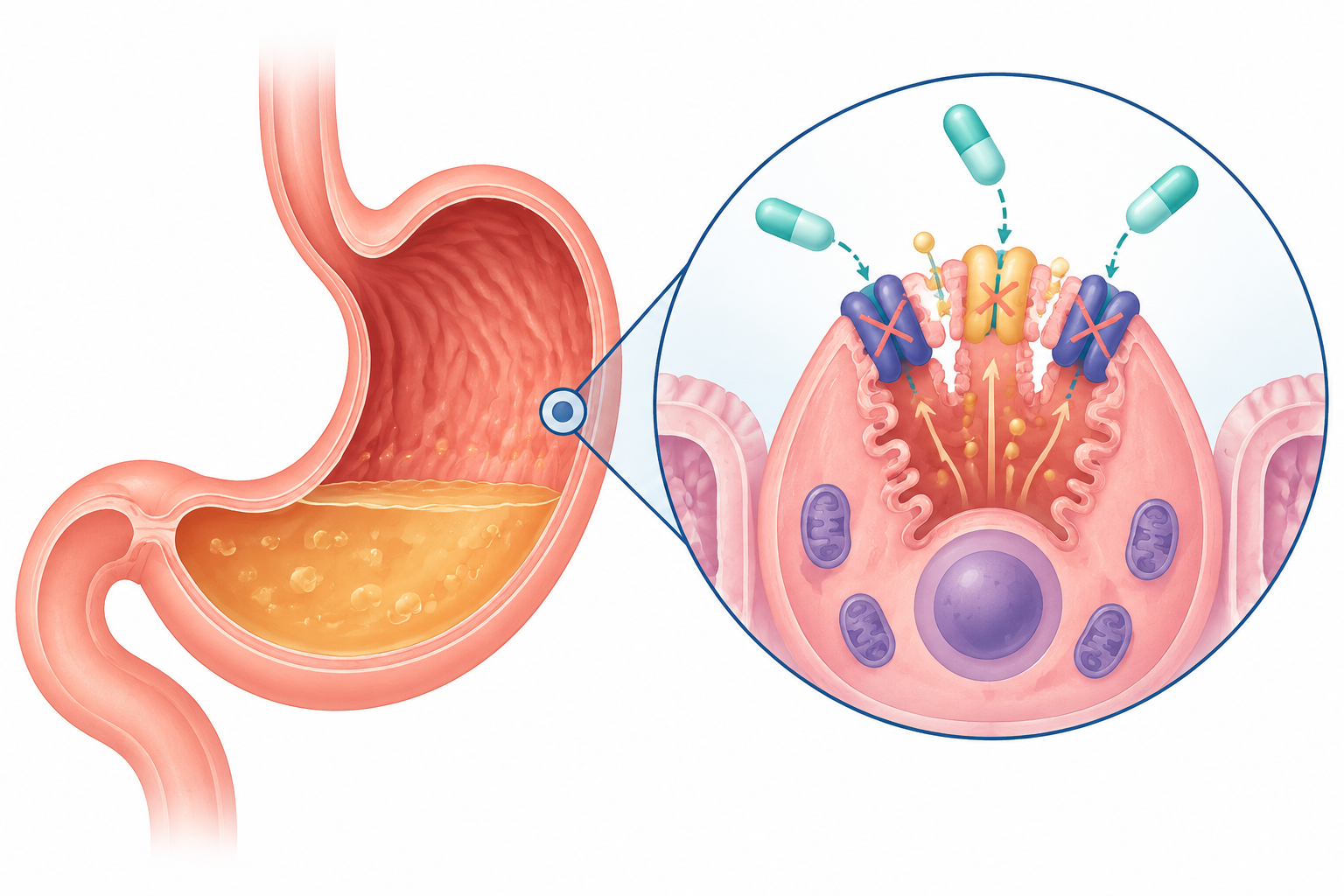
Paracetamol reduces prostaglandin production mainly in the central nervous system. Its full mechanism is not completely understood. Reduced prostaglandin activity helps lower pain and fever.
It acts on temperature-control pathways in the hypothalamus. This helps the body lose excess heat during fever. It does not usually lower normal body temperature much.
Unlike aspirin, paracetamol has little effect on platelet function at usual doses. Its weak peripheral anti-inflammatory action makes it less useful for marked swelling.
The liver removes most paracetamol by glucuronidation and sulfation. A small amount forms a toxic metabolite called NAPQI, mainly through CYP2E1. Glutathione normally makes NAPQI harmless.
Side Effects
Paracetamol is usually well tolerated at recommended doses. Possible unwanted effects include:
- Nausea or mild stomach discomfort.
- Skin rash or other allergic reactions.
- Rare but serious blistering skin reactions.
- Liver injury after overdose or repeated excessive dosing.
During overdose, glutathione becomes depleted. NAPQI then damages liver cells. Early symptoms may be mild or absent, even when serious injury is developing.
Suspected overdose needs urgent medical care, even if the person feels well. Do not wait for vomiting, abdominal pain, or jaundice. Take the medicine pack and dosing details to the hospital.
Regular prolonged use may increase warfarin's anticoagulant effect. Patients taking warfarin should seek advice before using paracetamol regularly.
3 Important Exam Points for GPAT
- Class and dose: Paracetamol is an analgesic and antipyretic with weak anti-inflammatory action. The usual adult oral dose is 500–1,000 mg every 4–6 hours, within the daily limit.
- Toxic metabolite: NAPQI causes liver toxicity when glutathione protection is overwhelmed. CYP2E1 is important in its formation.
- Antidote: N-acetylcysteine is the antidote for paracetamol poisoning. It restores glutathione availability. Early treatment is best, but later treatment can still help.
3 MCQs
1. What is the usual oral paracetamol dose per administration in children?
A. 1–2 mg/kg
B. 10–15 mg/kg
C. 50–60 mg/kg
D. 100 mg/kg
Answer: B
2. Which metabolite causes paracetamol-related liver toxicity?
A. Salicylate
B. Morphine
C. NAPQI
D. Histamine
Answer: C
3. Which medicine is the antidote for paracetamol poisoning?
A. Naloxone
B. Atropine
C. Flumazenil
D. N-acetylcysteine
Answer: D
FAQs
Can paracetamol be taken without food?
Yes. It can usually be taken with or without food. Food is not needed to protect the stomach.
Can adults take two 500 mg tablets together?
For a generally healthy adult weighing at least 50 kg, 1,000 mg is a usual single dose. Check the dosing interval and total daily intake.
What if fever returns before the next dose?
Do not shorten the interval or give extra doses. Encourage fluids. Seek medical advice for persistent fever, worsening symptoms, or an unwell child.
Are all paracetamol syrups equally strong?
No. Different liquids contain different amounts per millilitre. Calculate the dose in milligrams first, then convert it to millilitres using the bottle's strength.
Take Free Test on this Topic
Check what you learned with quick GPAT-style questions.
Start Free Test →Unlock 500 Blogs for ₹199
Unlock NowFor educational use only — not medical advice. Always check doses with current prescribing information.