 DrugClass
Ibuprofen 400mg Painkiller Guide: Uses, Dose & GPAT Notes
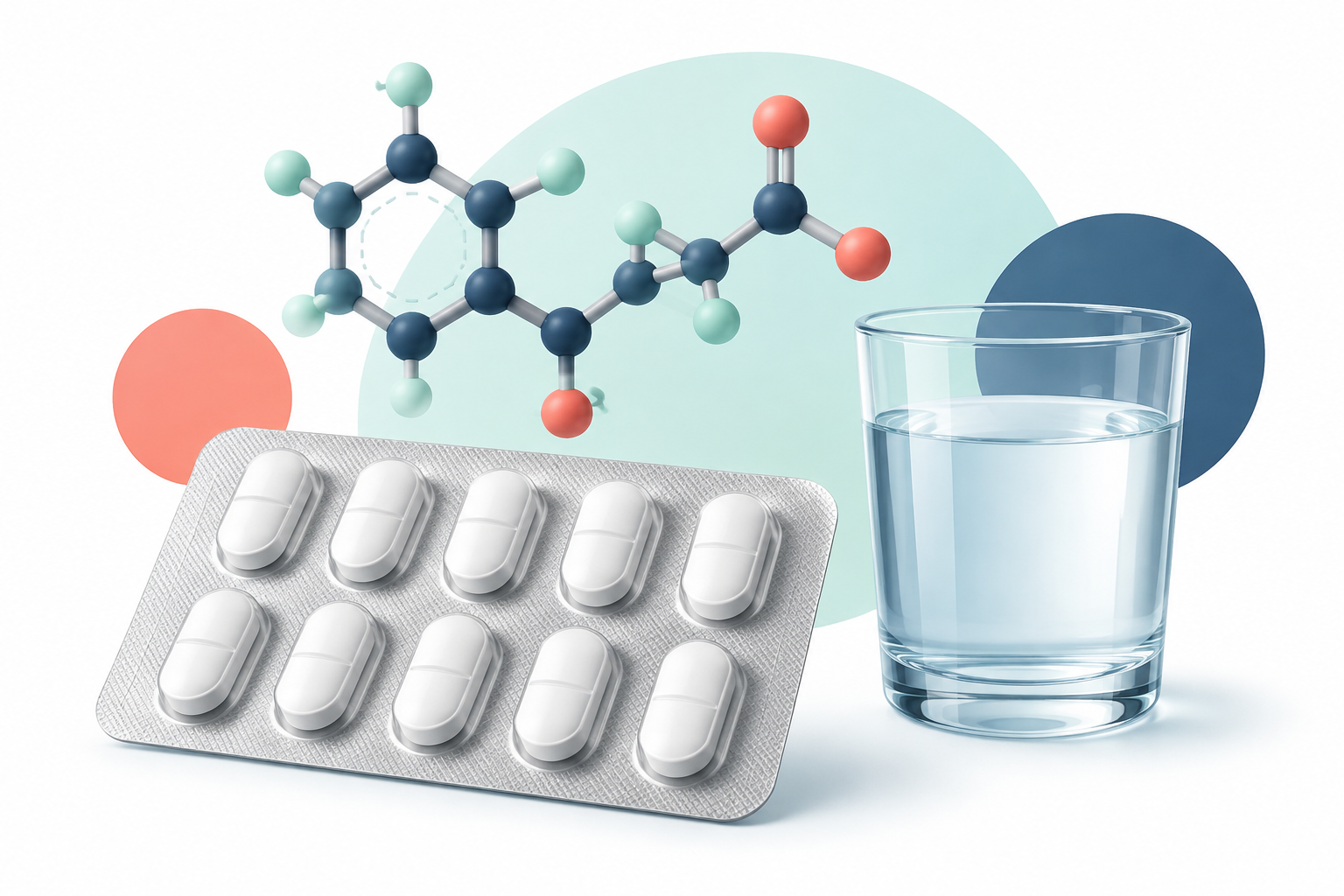
Ibuprofen 400mg is a widely used non-steroidal anti-inflammatory drug for pain, fever, and swelling. It works by non-selectively inhibiting cyclooxygenase enzymes to stop prostaglandin production. This guide outlines its dosage, pharmacology, and key exam concepts for pharmacy students.
What is it?
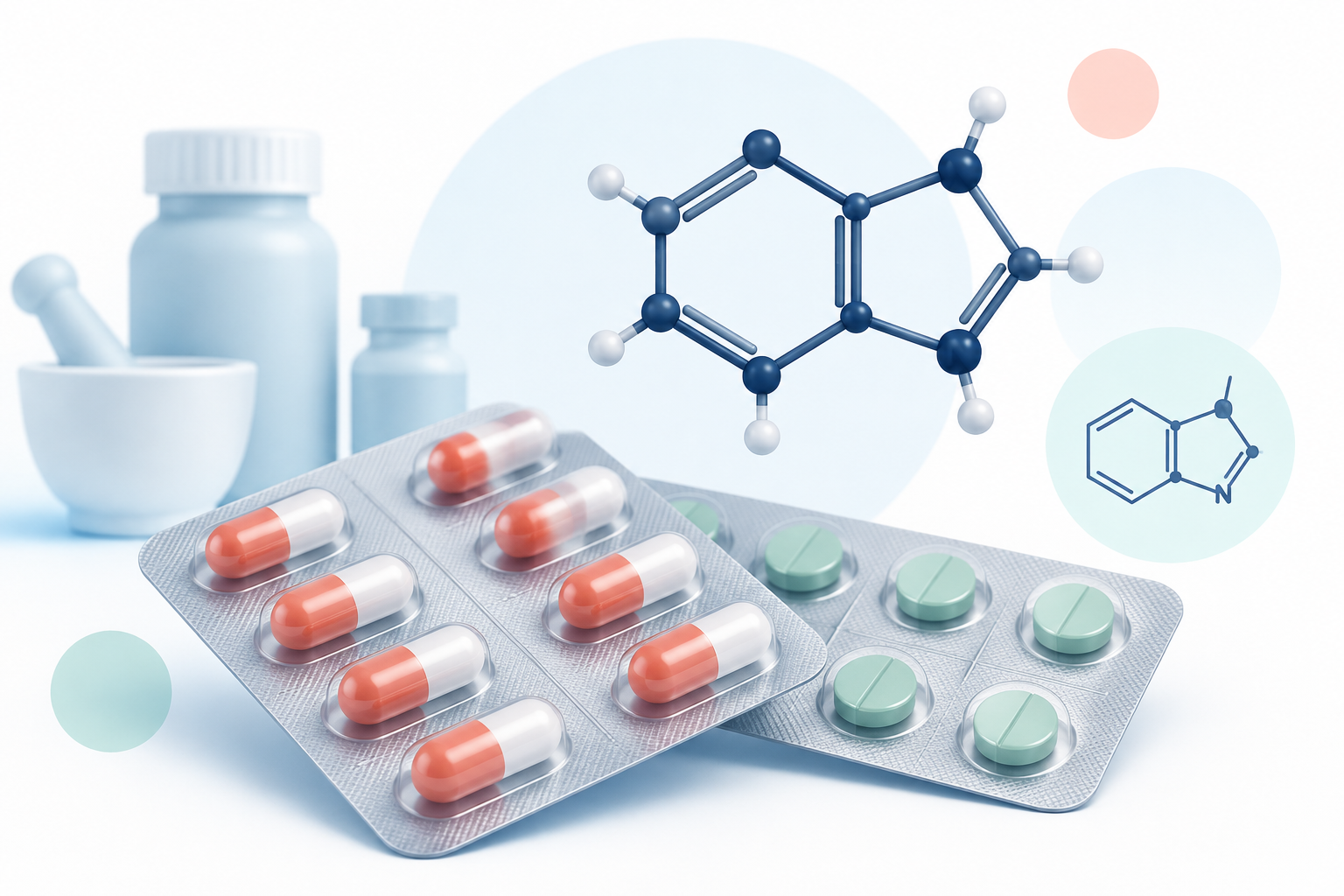
Ibuprofen is a common pain medicine. It belongs to the class called Non-Steroidal Anti-Inflammatory Drugs (NSAIDs).
It treats mild to moderate pain. It also reduces swelling and brings down high fever. In clinical practice, 400mg is the standard oral strength for adults. Pharmacy students must understand its pharmacology, as it is one of the most frequently prescribed medicines worldwide.
Salt and Composition
- Chemical Name / Salt: Ibuprofen is chemically known as 2-(4-isobutylphenyl)propionic acid. It belongs to the propionic acid derivative class.
- Chirality: It is a chiral drug. It exists as a racemic mixture of (R)- and (S)-enantiomers. The (S)-enantiomer carries the pharmacological activity.
- Common Strengths: Tablets come in 200mg, 400mg, 600mg, and 800mg. Oral suspensions exist as 100mg/5mL.
- Brand Examples: Brufen, Advil, Motrin, and Combiflam (a combination of Ibuprofen and Paracetamol).
Dose Chart
| Drug / Form | Adult Dose | Child Dose |
|---|---|---|
| Ibuprofen Tablet (Oral) | 400 mg every 4 to 6 hours (Max: 2400 mg/day) | 5 to 10 mg/kg per dose every 6 to 8 hours (Max: 40 mg/kg/day) |
| Ibuprofen Suspension (Oral) | 200 mg to 400 mg every 6 hours | 5 to 10 mg/kg per dose (Max: 30 to 40 mg/kg/day) |
| Ibuprofen IV Infusion | 400 mg to 800 mg infused over 30 minutes every 6 hours | Premature infants (PDA): 10 mg/kg initial dose, then 5 mg/kg at 24 and 48 hours |
How it Works in the Human Body
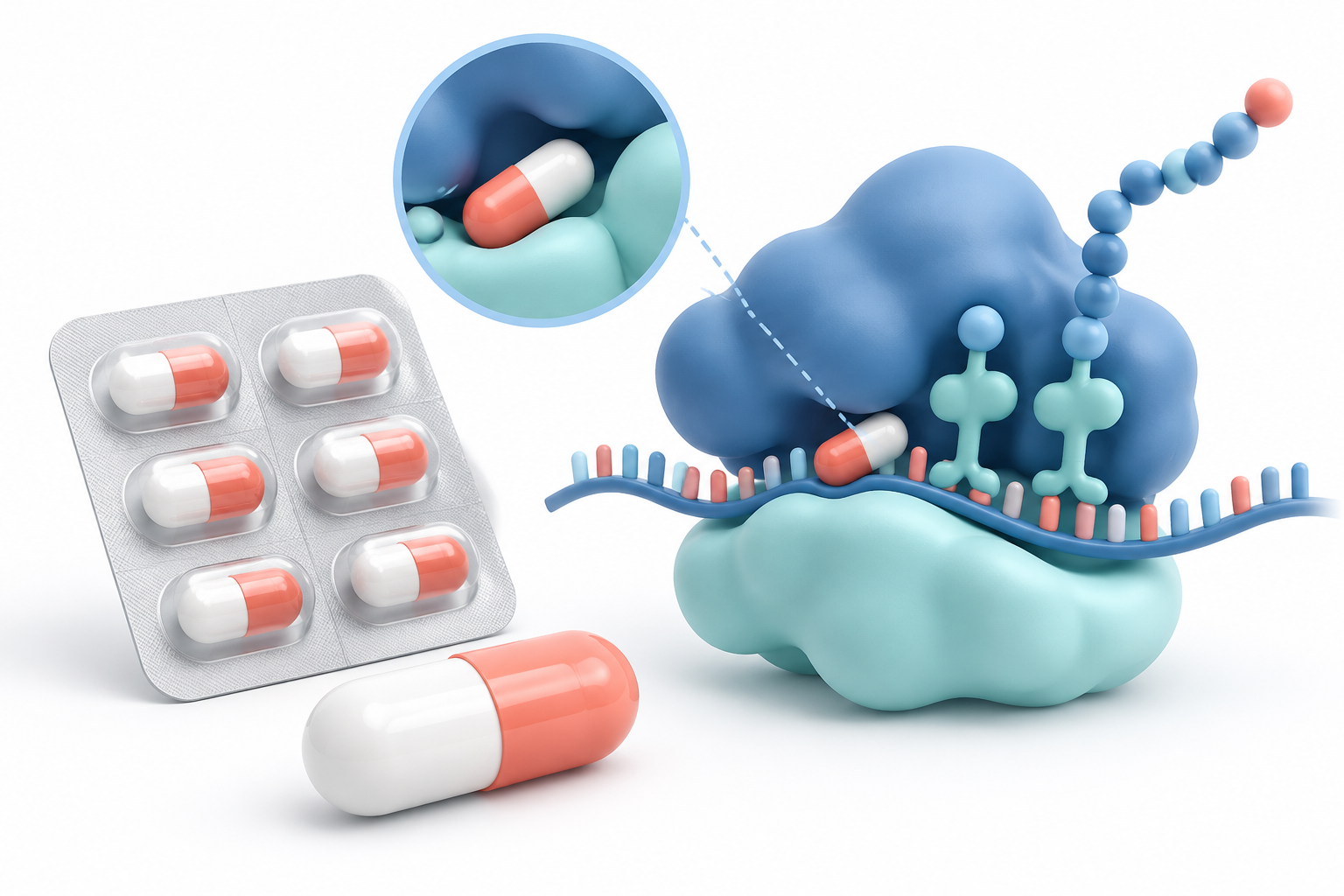
Ibuprofen works mainly in peripheral tissues and the central nervous system. It acts through four clear steps:
- Tissue Injury: An injury causes cell membranes to release arachidonic acid via the enzyme phospholipase A2.
- Enzyme Action: Arachidonic acid binds to cyclooxygenase enzymes (COX-1 and COX-2).
- COX Inhibition: Ibuprofen enters the catalytic pocket of both COX-1 and COX-2. It blocks these enzymes reversibly through competitive inhibition.
- Prostaglandin Drop: Without active COX enzymes, the body cannot synthesize prostaglandins (PGE2, PGD2, PGF2α) and prostacyclin (PGI2). Low PGE2 stops pain receptor sensitization, resets the hypothalamic thermostat to lower fever, and decreases local swelling.
Side Effects
- Gastrointestinal Distress: Nausea, gastric burning, and dyspepsia are common. Long-term use can cause gastric mucosal erosions and peptic ulcers due to COX-1 inhibition.
- Renal Impairment: Ibuprofen reduces renal blood flow by blocking vasodilatory prostaglandins. This can lead to fluid retention, edema, or acute kidney injury in dehydrated patients.
- Cardiovascular Risk: High doses taken for a long time may increase the risk of thrombotic events.
- Bronchospasm: In aspirin-sensitive asthmatic patients, it can trigger severe bronchoconstriction due to shunting into the leukotriene pathway.
3 Important Exam Points for GPAT
- In Vivo Chiral Inversion: Ibuprofen is administered as a racemic (50:50) mixture. In the human body, the inactive (R)-enantiomer is enzymatically converted into the active (S)-enantiomer by 2-arylpropionyl-CoA epimerase.
- Patent Ductus Arteriosus (PDA): Intravenous Ibuprofen lysine is an approved alternative to Indomethacin for closing patent ductus arteriosus in premature neonates. It causes fewer renal adverse effects.
- Reversible COX Inhibition: Unlike Aspirin, which irreversibly acetylates COX enzymes, Ibuprofen binds reversibly. It can competitively block Aspirin from reaching the platelet COX-1 binding site if taken together.
3 MCQs
Which chemical class does Ibuprofen belong to?
A) Salicylates
B) Propionic acid derivatives
C) Oxicams
D) Anthranilic acid derivatives
Answer: B
Which enantiomer of Ibuprofen is pharmacologically active in inhibiting COX enzymes?
A) (R)-Ibuprofen
B) (S)-Ibuprofen
C) Meso-Ibuprofen
D) Both are equally active
Answer: B
What is the clinical use of IV Ibuprofen in premature neonates?
A) Prevention of seizures
B) Closure of Patent Ductus Arteriosus
C) Treatment of respiratory distress syndrome
D) Treatment of neonatal jaundice
Answer: B
FAQs
Why should patients take Ibuprofen after meals?
Ibuprofen blocks COX-1 enzymes. This lowers protective mucus and bicarbonate in the stomach. Taking it with food or milk buffers stomach acid and prevents gastric irritation.
Can Ibuprofen be taken together with Paracetamol?
Yes, they can be taken together under medical advice. They work through different mechanisms and have different metabolic pathways. Combined formulations like Combiflam are common for pain relief.
Is Ibuprofen safe during the third trimester of pregnancy?
No, Ibuprofen is contraindicated in the third trimester. It can cause premature closure of the fetal ductus arteriosus and lead to prolonged labor.
Take Free Test on this Topic
Check what you learned with quick GPAT-style questions.
Start Free Test →Unlock all 14 Classifications and 50+ Mock Tests with our Student Pro plan.
Unlock NowFor educational use only — not medical advice. Always check doses with current prescribing information.