 DrugClass
Constipation Treatment: Drug Dose Chart and GPAT Notes
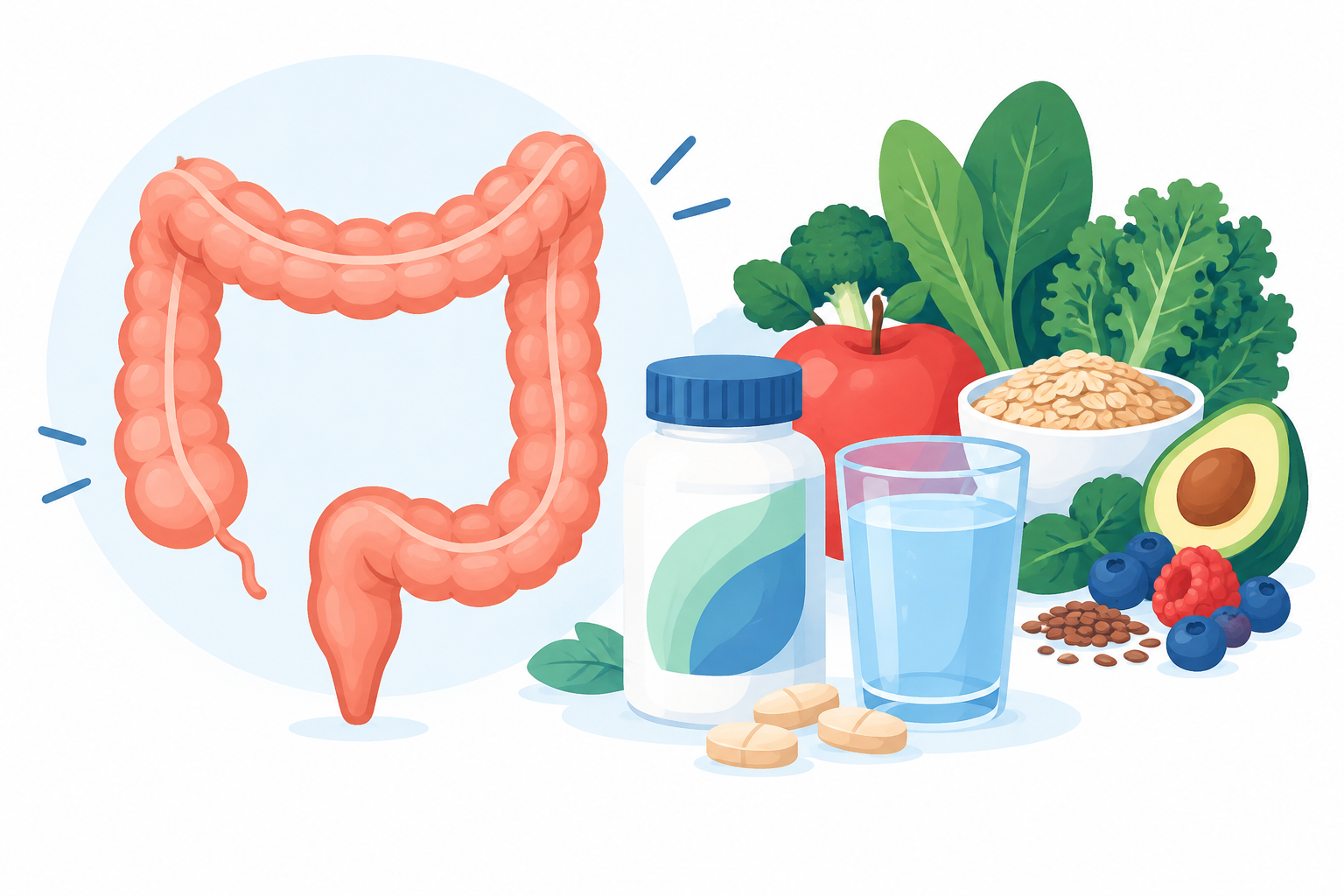
Constipation treatment includes lifestyle changes and medicines such as PEG, lactulose, bisacodyl, and senna. Learn their usual doses, mechanisms, and adverse effects for GPAT revision.
What is it?
Constipation means passing stools less often than usual, passing hard stools, or having difficulty passing stools. A person may strain or feel that the bowel has not emptied fully. Fewer than three bowel movements per week is one common sign.
Constipation is a symptom, not always a separate disease. Daily bowel movements are not necessary for everyone.
Common causes include:
- Too little fibre in food.
- Not drinking enough fluids.
- Low physical activity.
- Ignoring the urge to pass stool.
- Medicines such as opioids, iron salts, and anticholinergic drugs.
- Diseases such as hypothyroidism and diabetes.
For B.Pharma and D.Pharma students, constipation treatment connects drug classification with practical pharmacy advice. GPAT questions often test laxative mechanisms and adverse effects.
Treatment usually starts with suitable food, activity, and toilet habits. Laxatives help when these steps are not enough. However, suspected bowel obstruction needs urgent medical assessment, not laxatives.
Dose Chart
These are common oral doses for uncomplicated constipation. They are study doses, not a personal prescription. Child treatment needs professional advice. Products and approved ages may differ between countries.
| Drug / Form | Adult Dose | Child Dose |
|---|---|---|
| Polyethylene glycol 3350, or PEG 3350, powder without electrolytes | 17 g once daily, dissolved in liquid | Maintenance: 0.2–0.8 g/kg/day; a common starting dose is 0.4 g/kg/day. Adjust to stool response under medical guidance. |
| Lactulose solution, approximately 10 g/15 mL | Common maintenance dose: 15–30 mL daily, in one or two doses | Ages 1–6 years: 5–10 mL daily. Ages 7–14 years: 10–15 mL daily. Adjust under medical guidance. |
| Bisacodyl, enteric-coated tablet | 5–10 mg at bedtime | Ages 6–11 years: 5 mg at bedtime, only with medical advice. |
| Senna, tablets containing 8.6 mg sennosides each | A common starting dose is 17.2 mg at bedtime | Ages 6–11 years: a common starting dose is 8.6 mg at bedtime, with medical advice. |
Important dose notes:
- The PEG dose above is for maintenance. Faecal impaction uses a different, supervised regimen.
- Measure lactulose with a medicine cup or oral syringe.
- Check senna strength carefully. Different products contain different amounts of sennosides.
- Swallow bisacodyl tablets whole. Do not crush or chew them.
- Do not take enteric-coated bisacodyl within one hour of milk or antacids.
- Do not give these doses to infants without medical advice.
How it Works
Bulk-forming laxatives: Psyllium, also called ispaghula, absorbs water. It makes stool larger and softer. This helps normal bowel movement. It needs enough fluid and is unsuitable for people with swallowing difficulty or suspected obstruction.
Osmotic laxatives: PEG and lactulose hold water inside the bowel. Water softens the stool and makes it easier to pass.
PEG is absorbed only in very small amounts. Lactulose reaches the colon largely unchanged. Colonic bacteria break it down into acids. This increases the osmotic effect but also produces gas.
Stimulant laxatives: Bisacodyl and senna increase movement and secretion in the large bowel. Oral doses commonly work overnight, in about 6–12 hours.
Stool softeners: Docusate helps water and fat mix with stool. However, evidence for its benefit in chronic constipation is limited.
PEG is often a preferred osmotic option for chronic constipation. A stimulant may be added when needed. The best choice depends on the cause, age, and response.
Side Effects
Most adverse effects depend on the drug and dose.
- PEG: Bloating, nausea, loose stools, and abdominal discomfort.
- Lactulose: Gas, bloating, cramps, and diarrhoea.
- Bisacodyl: Abdominal cramps, diarrhoea, and nausea.
- Senna: Cramps and diarrhoea. Urine may become yellow-brown or reddish-brown.
- Bulk-forming drugs: Gas and bloating. Taking them without enough fluid can cause blockage.
Excessive laxative use can cause dehydration and electrolyte loss. Potassium loss is an important exam point.
Magnesium-containing laxatives need special caution in kidney disease. Magnesium can accumulate and cause toxicity.
Do not assume that all long-term laxative treatment is harmful. Some patients need ongoing treatment under supervision. Avoid repeated self-treatment when the cause is unknown.
Seek urgent care for severe abdominal pain, vomiting, marked swelling, or inability to pass gas. Blood in stool, unexplained weight loss, or a persistent new bowel change also needs assessment.
3 Important Exam Points for GPAT
- Match the class correctly: Psyllium is bulk-forming. PEG and lactulose are osmotic laxatives. Bisacodyl and senna are stimulant laxatives. Docusate is a stool softener.
- Remember lactulose's second use: It also treats hepatic encephalopathy. Acidification of colonic contents helps trap ammonia as ammonium. Its dose is adjusted differently for this condition.
- Know the senna association: Long-term anthraquinone laxative use can cause melanosis coli. This is usually a benign, reversible brown pigmentation of the colon.
3 MCQs
1. Which drug is an osmotic laxative?
A. Bisacodyl
B. PEG 3350
C. Senna
D. Docusate
Answer: B
2. Which laxative also helps treat hepatic encephalopathy?
A. Psyllium
B. Bisacodyl
C. Lactulose
D. Liquid paraffin
Answer: C
3. Melanosis coli is classically associated with which drug?
A. PEG 3350
B. Lactulose
C. Docusate
D. Senna
Answer: D
FAQs
Which laxative works overnight?
Oral bisacodyl and senna commonly act within 6–12 hours. PEG and lactulose usually take longer.
Can food changes help constipation?
Yes. Gradually increase fibre through vegetables, fruit, and whole grains. Maintain suitable fluid intake and regular activity. Sudden large increases in fibre may worsen bloating.
Is lactulose the same as lactose?
No. Lactulose is a synthetic disaccharide medicine. Lactose is the natural sugar found in milk.
Can children take adult laxative doses?
Not automatically. Doses depend on age, weight, formulation, and the clinical problem. Childhood constipation often needs a planned course of treatment rather than occasional dosing.
Take Free Test on this Topic
Check what you learned with quick GPAT-style questions.
Start Free Test →Unlock all 14 Classifications and 50+ Mock Tests with our Student Pro plan.
Unlock NowFor educational use only — not medical advice. Always check doses with current prescribing information.