DrugClass
Drug Dose
Cephalosporin Generations: GPAT Pharmacology Guide & Chart
This guide breaks down all five cephalosporin generations for GPAT and NIPER aspirants. Understand their chemical nucleus, antimicrobial spectrum, key clinical doses, and classic exam pearls like the MTT side-chain reactions.
Cephalosporins are among the most frequently tested beta-lactam antibiotics in pharmacy entrance exams like GPAT, NIPER, and drug inspector tests. Derived originally from the fungus Acremonium (formerly Cephalosporium acremonium), these bactericidal agents inhibit bacterial cell wall synthesis. Understanding the progression from first- to fifth-generation cephalosporins is essential for mastering pharmacology questions.
Basic Chemistry and Mechanism of Action
Cephalosporins share a core nucleus known as 7-aminocephalosporanic acid (7-ACA). This structure consists of a beta-lactam ring fused to a six-membered dihydrothiazine ring.
- Comparison with Penicillins: Penicillins feature a beta-lactam ring fused to a five-membered thiazolidine ring (6-aminopenicillanic acid, 6-APA). The six-membered ring of cephalosporins provides greater intrinsic resistance to bacterial beta-lactamases.
- Mechanism of Action: Like penicillins, cephalosporins bind to specific Penicillin-Binding Proteins (PBPs) located inside the bacterial cell wall. This binding inhibits the final transpeptidation step of peptidoglycan synthesis. Autolytic enzymes (autolysins and murein hydrolases) are subsequently activated, causing cell lysis and bacterial death.
First-Generation Cephalosporins
First-generation agents exhibit strong activity against Gram-positive bacteria and modest activity against common Gram-negative bacilli.
Key Drugs and Dosing
- Cefazolin: 1 g to 1.5 g IV every 8 hours. It is the drug of choice for surgical antimicrobial prophylaxis because of its long half-life and strong coverage against Staphylococcus aureus.
- Cephalexin: 250 mg to 500 mg orally every 6 hours. Widely used for mild skin, soft tissue, and urinary tract infections.
- Cefadroxil: 500 mg to 1000 mg orally every 12 to 24 hours.
Spectrum of Activity
- Gram-Positive: Methicillin-sensitive Staphylococcus aureus (MSSA), Streptococcus pyogenes, and Streptococcus pneumoniae.
- Gram-Negative (PEcK): Proteus mirabilis, Escherichia coli, and Klebsiella pneumoniae.
- Inactive Against: MRSA, Enterococcus species, and Pseudomonas aeruginosa.
Second-Generation Cephalosporins
Second-generation cephalosporins maintain moderate Gram-positive coverage while extending efficacy against Gram-negative bacteria and select anaerobes.
Key Drugs and Dosing
- Cefuroxime: 250 mg to 500 mg orally twice daily (as cefuroxime axetil) or 750 mg to 1.5 g IV every 8 hours. It crosses the blood-brain barrier poorly compared to third-generation drugs.
- Cefaclor: 250 mg to 500 mg orally every 8 hours. Associated with serum sickness-like reactions in children.
- Cephamycins (Cefoxitin, Cefotetan): Cefoxitin (1 g to 2 g IV every 6 to 8 hours) has notable stability against anaerobic beta-lactamases.
Spectrum of Activity
- Extended Gram-negative coverage remembered by the mnemonic HEN PEcK: Haemophilus influenzae, Enterobacter aerogenes, Neisseria species, Proteus, E. coli, and Klebsiella.
- Cefoxitin and Cefotetan provide distinct coverage against Bacteroides fragilis, making them valuable in pelvic and colorectal surgeries.
Third-Generation Cephalosporins
Third-generation agents show reduced activity against Gram-positive cocci but expanded coverage against Enterobacteriaceae and other Gram-negative bacilli. Most cross the blood-brain barrier effectively.
Key Drugs and Dosing
- Ceftriaxone: 1 g to 2 g IV or IM once daily. It has an elimination half-life of roughly 8 hours, allowing single-daily administration. It is eliminated primarily through biliary excretion.
- Cefotaxime: 1 g to 2 g IV every 6 to 8 hours. Safe in neonates because it does not displace bilirubin from albumin.
- Ceftazidime: 1 g to 2 g IV every 8 hours. It possesses distinct activity against Pseudomonas aeruginosa.
- Cefixime: 200 mg to 400 mg orally once daily. Commonly used for uncomplicated gonorrhea and typhoid fever.
Clinical Pearls for GPAT
- Ceftriaxone is the primary choice for bacterial meningitis, gonorrhea, and severe typhoid fever.
- Neonatal Warning: Ceftriaxone can cause biliary sludging (pseudolithiasis) and kernicterus in neonates by displacing bilirubin from albumin binding sites. Cefotaxime is preferred instead.
Fourth-Generation Cephalosporins
Fourth-generation agents possess a zwitterionic structure (carrying both positive and negative charges). This property enables rapid penetration through the outer membrane porin channels of Gram-negative bacteria.
Key Drug: Cefepime
- Dose: 1 g to 2 g IV every 8 to 12 hours.
- Spectrum: Broad spectrum active against both Gram-positive organisms (MSSA, Streptococcus) and Gram-negative organisms, including Pseudomonas aeruginosa and AmpC beta-lactamase-producing Enterobacter.
- Stability: Highly resistant to degradation by chromosomally mediated beta-lactamases.
Fifth-Generation Cephalosporins
Fifth-generation cephalosporins were specifically designed to overcome beta-lactam resistance in Gram-positive pathogens, particularly MRSA.
Key Drugs and Dosing
- Ceftaroline fosamil: 600 mg IV every 12 hours. It binds with high affinity to PBP2a, an altered penicillin-binding protein that mediates methicillin resistance in Staphylococcus aureus (MRSA).
- Ceftobiprole: Active against MRSA, vancomycin-intermediate S. aureus (VISA), and Pseudomonas.
- Ceftolozane: Combined with tazobactam to treat multidrug-resistant Pseudomonas aeruginosa and complicated intra-abdominal infections.
Summary of Cephalosporin Generations
| Generation | Representative Drugs | Route | Gram-Positive Spectrum | Gram-Negative Spectrum | Key GPAT Exam Note |
|---|---|---|---|---|---|
| 1st | Cefazolin, Cephalexin | IV / Oral | Excellent (MSSA, Strep) | Modest (PEcK) | Cefazolin is drug of choice for surgical prophylaxis. |
| 2nd | Cefuroxime, Cefoxitin | Oral / IV | Moderate | Expanded (HEN PEcK) | Cefoxitin covers Bacteroides fragilis (anaerobes). |
| 3rd | Ceftriaxone, Ceftazidime | IV / Oral | Poor to Moderate | High (Enterobacteriaceae) | Ceftriaxone has biliary excretion; Ceftazidime treats Pseudomonas. |
| 4th | Cefepime | IV | High | Very High (Pseudomonas) | Zwitterion structure; resists AmpC beta-lactamases. |
| 5th | Ceftaroline | IV | Excellent (MRSA) | Broad Gram-negative | Binds PBP2a to kill MRSA. |
High-Yield Toxicities and SAR Points for GPAT
- Methylthiotetrazole (MTT) Ring: Found in drugs like Cefoperazone, Cefamandole, and Cefotetan.
- Causes hypoprothrombinemia by inhibiting vitamin K epoxide reductase, leading to bleeding risks.
- Causes severe disulfiram-like reactions when taken with alcohol due to acetaldehyde dehydrogenase inhibition.
- L-Organism Gap: Cephalosporins naturally lack activity against LAME: Listeria monocytogenes, Atypicals (Mycoplasma, Chlamydia), MRSA (except 5th gen), and Enterococci.
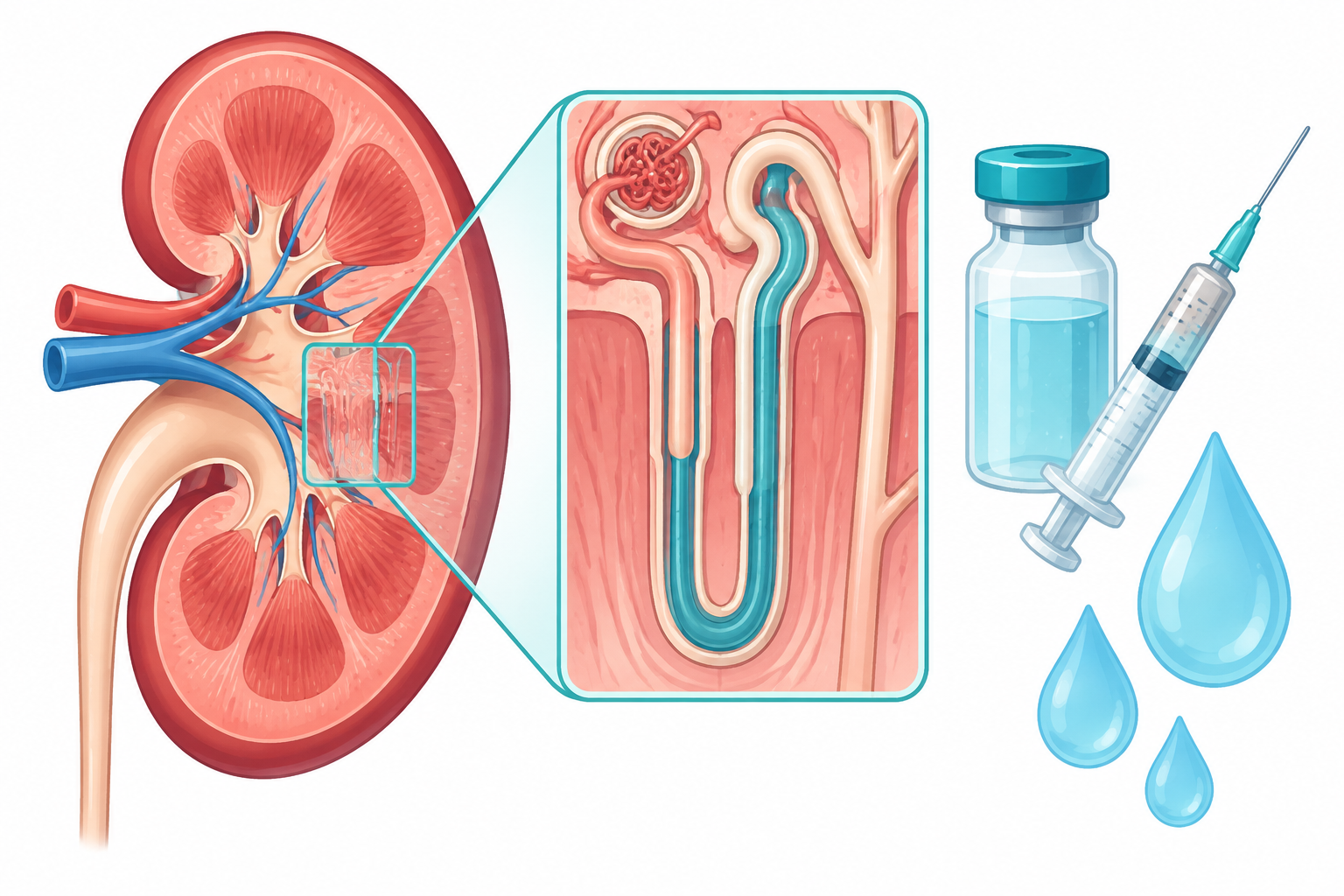
- Nephrotoxicity: Cephaloridine (withdrawn) caused severe tubular necrosis. Combining cephalosporins with aminoglycosides or loop diuretics increases nephrotoxic risk.
Test Yourself: 5 MCQs
1. Which generation of cephalosporins is uniquely effective against Methicillin-Resistant Staphylococcus aureus (MRSA)?
2. The presence of a methylthiotetrazole (MTT) side chain in cefoperazone causes which adverse effect?
3. Which cephalosporin is cleared predominantly by biliary excretion, eliminating the need for dose adjustment in renal failure?
4. What is the primary chemical ring fused to the beta-lactam ring in cephalosporins?
5. Which third-generation cephalosporin possesses notable bactericidal activity against Pseudomonas aeruginosa?
Take Free Test on this Topic
Check what you learned with quick GPAT-style questions.
Start Free Test →Unlock all 14 Classifications and 50+ Mock Tests with our Student Pro plan.
Unlock NowFor educational use only — not medical advice. Always check doses with current prescribing information.