DrugClass
Drug Dose
Paracetamol Drug Dose: Adult, Child and GPAT Exam Guide
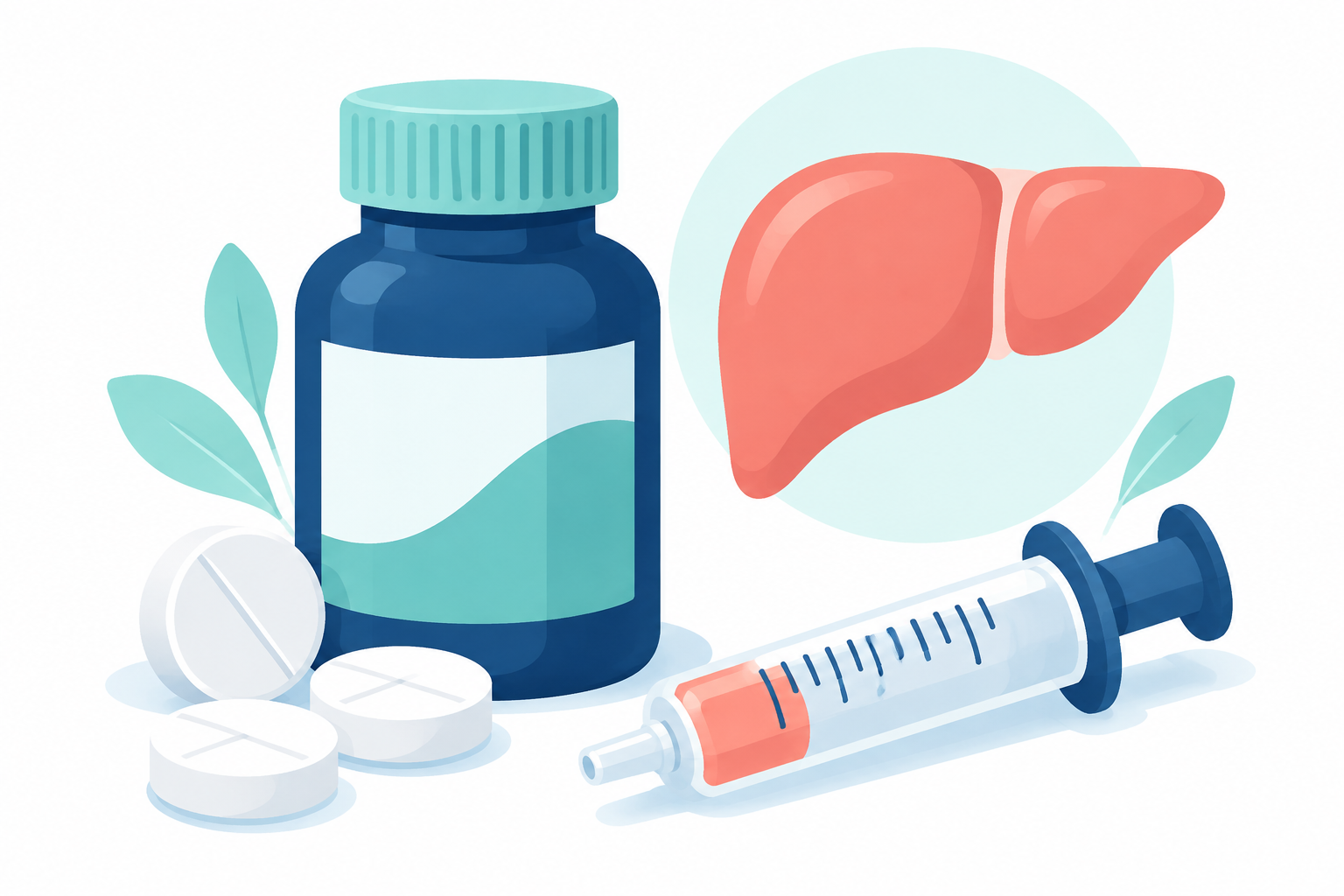
Paracetamol reduces pain and fever but has little anti-inflammatory action. Child doses depend on body weight, while excessive doses can cause severe liver injury. N-acetylcysteine is the key antidote to remember for GPAT.
What is it?
Paracetamol is a common medicine for pain and fever. It is also called acetaminophen. It belongs to the group of non-opioid analgesics and antipyretics.
- Analgesic means a medicine that reduces pain.
- Antipyretic means a medicine that lowers fever.
Paracetamol helps with headache, toothache, muscle pain and pain during a cold. It can also reduce discomfort caused by fever. However, it does not treat the infection causing that fever.
Unlike ibuprofen, paracetamol has very little anti-inflammatory action. It is therefore not a strong choice for reducing joint swelling.
For B.Pharma and D.Pharma students, this drug connects several important topics. These include weight-based dosing, liver metabolism, poisoning and antidotes.
This dose guide is for study, not personal prescribing. The correct dose depends on body weight, age, liver health and the product used.
Dose Chart
The following are common oral, immediate-release doses. Adult doses apply to otherwise healthy adults weighing at least 50 kg. The child doses below are a conservative regimen for children aged 3 months to 12 years.
| Drug / Form | Adult Dose | Child Dose |
|---|---|---|
| Paracetamol immediate-release tablets | 500–1,000 mg per dose, every 4–6 hours when needed; maximum 4,000 mg in 24 hours | 10–15 mg/kg per dose, every 4–6 hours when needed; maximum 4 doses and 60 mg/kg in 24 hours. Use an age-appropriate formulation |
| Paracetamol oral liquid; strength varies by product | Same dose in mg as tablets; calculate the liquid volume from the labelled strength | 10–15 mg/kg per dose, every 4–6 hours when needed; maximum 4 doses and 60 mg/kg in 24 hours |
Important dose rules:
- Leave at least 4 hours between oral doses.
- The daily maximum overrides the dosing interval. Do not take 1,000 mg every 4 hours throughout the day.
- A child's total dose must also stay below the adult maximum.
- Some product labels set lower daily limits. Follow the prescribed or labelled limit.
- Adults below 50 kg may need weight-based dosing and a lower maximum.
- Liver disease, chronic heavy alcohol use and malnutrition need medical review before dosing.
- Babies below 3 months need medical assessment for fever. Do not use this chart to self-treat them.
Child-dose calculation example:
For a child weighing 20 kg, a prescribed dose of 15 mg/kg is:
20 × 15 = 300 mg per dose.
If the liquid contains 120 mg in 5 mL:
Volume = 300 × 5 ÷ 120 = 12.5 mL.
This volume applies only to that strength. A stronger liquid needs a smaller volume. Always check the bottle and use an oral syringe, not a kitchen spoon.
How it Works
Paracetamol mainly acts in the central nervous system. It reduces prostaglandin synthesis involved in pain and temperature control. Its full mechanism is not completely understood.
During fever, prostaglandins raise the temperature set point in the hypothalamus. Paracetamol helps bring this set point towards normal. The body then loses heat through increased skin blood flow and sweating.
Its action in inflamed peripheral tissues is weak. This explains its limited anti-inflammatory effect.
The liver handles most paracetamol through glucuronidation and sulfation. These pathways form metabolites that are mainly removed in urine.
A small amount is changed by cytochrome P450 enzymes, especially CYP2E1, into NAPQI. This is a toxic metabolite. Normally, glutathione makes it harmless.
In overdose, glutathione becomes depleted. NAPQI then damages liver cells. This is the main reason why exceeding the dose can be dangerous.
Side Effects
Paracetamol is usually well tolerated at recommended doses. Possible adverse effects include:
- Nausea or mild stomach discomfort.
- Skin rash or an allergic reaction.
- Rare but serious skin reactions.
- Severe liver injury after overdose.
Unlike traditional NSAIDs, it has little effect on platelets at usual doses. It also causes less gastric irritation. However, this does not make it risk-free.
Duplicate dosing is a common danger. Cold remedies, headache tablets and combination pain medicines may already contain paracetamol. Add up the amount from every product.
Regular use can increase the anticoagulant effect of warfarin. Such patients may need closer INR monitoring.
Suspected overdose is an emergency, even if the person feels well. Early symptoms may be mild or absent. Seek emergency care immediately. Do not wait for jaundice or abdominal pain.
The antidote is N-acetylcysteine, also called NAC. It helps restore glutathione. It works best when started early, but it can still help after delayed presentation.
3 Important Exam Points for GPAT
- Drug class: Paracetamol is an analgesic and antipyretic with weak anti-inflammatory activity. Do not confuse it with a strong anti-inflammatory NSAID.
- Toxicity pair: NAPQI causes liver injury in overdose. Glutathione detoxifies it, and N-acetylcysteine is the antidote.
- Dose calculation: Child doses use mg/kg per dose. Multiply by body weight first. Then convert mg to mL using the labelled liquid strength.
3 MCQs
1. Which action is weak with paracetamol?
A. Pain relief
B. Fever reduction
C. Anti-inflammatory action
D. Central analgesic action
Answer: C
2. What is the specific antidote for paracetamol poisoning?
A. Naloxone
B. N-acetylcysteine
C. Atropine
D. Flumazenil
Answer: B
3. A 20 kg child is prescribed 15 mg/kg per dose. What is the dose?
A. 150 mg
B. 200 mg
C. 300 mg
D. 600 mg
Answer: C
FAQs
Is paracetamol an antibiotic?
No. It reduces pain and fever. It does not kill bacteria or treat the underlying infection.
Can two paracetamol-containing medicines be taken together?
Do not combine them without checking with a pharmacist or prescriber. Their doses add together and may cause an accidental overdose.
Is 4,000 mg a daily target?
No. It is an upper limit for suitable adults, not a target. Use the lowest effective dose for the shortest necessary time.
Can children use adult tablets?
Only when the calculated dose and product are suitable. Liquid formulations often allow more accurate dosing. Never estimate a child's dose simply as half an adult dose.
Take Free Test on this Topic
Check what you learned with quick GPAT-style questions.
Start Free Test →Unlock all 14 Classifications and 50+ Mock Tests with our Student Pro plan.
Unlock NowFor educational use only — not medical advice. Always check doses with current prescribing information.