DrugClass
GPAT Important Drugs
Rifampicin Drug Dose, Mechanism and GPAT Exam Notes
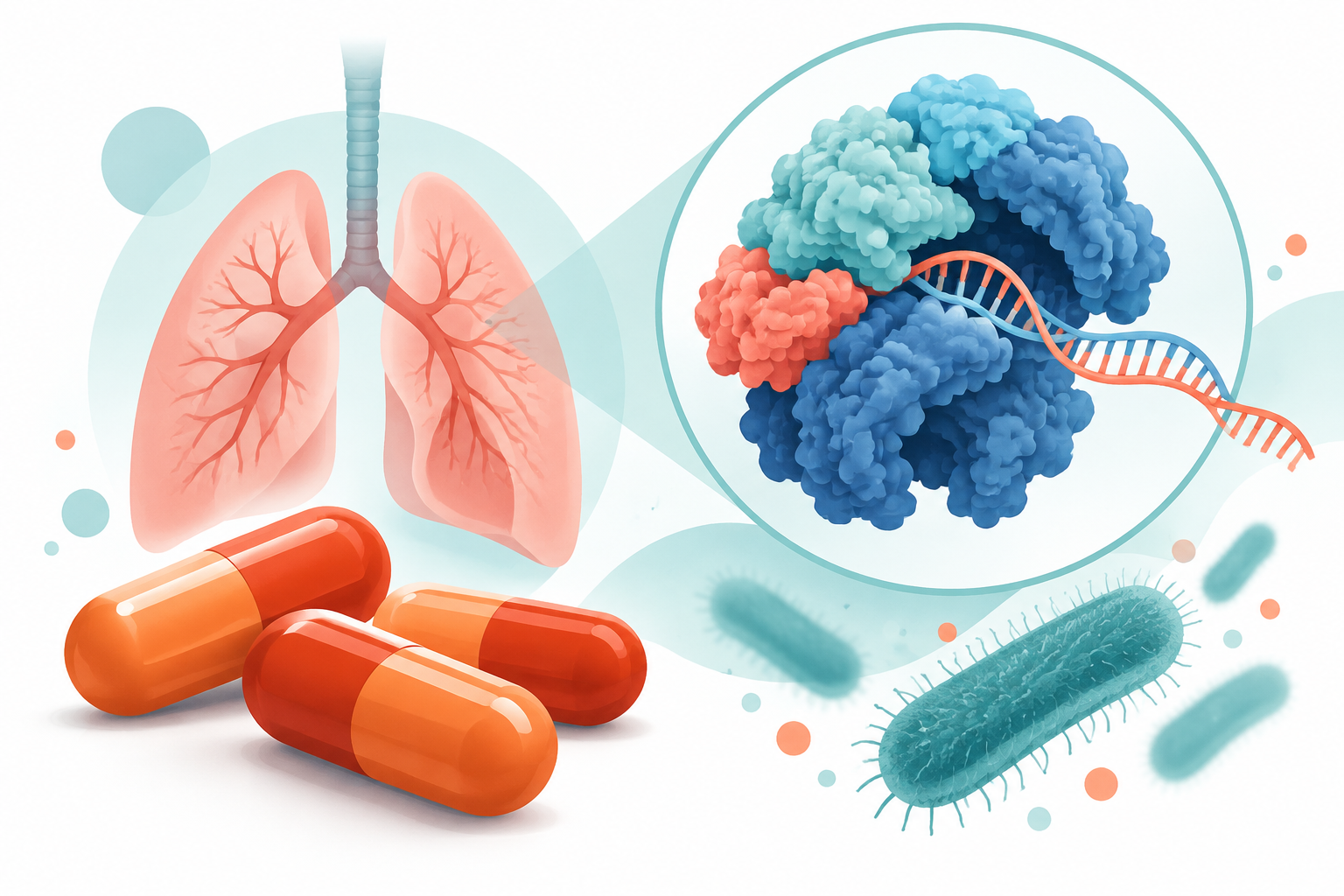
Rifampicin is a first-line TB drug that blocks bacterial RNA polymerase. Key GPAT facts include combination treatment for active TB, orange-red body fluids and strong enzyme induction. Its dose depends on the indication, age and body weight.
What is it?
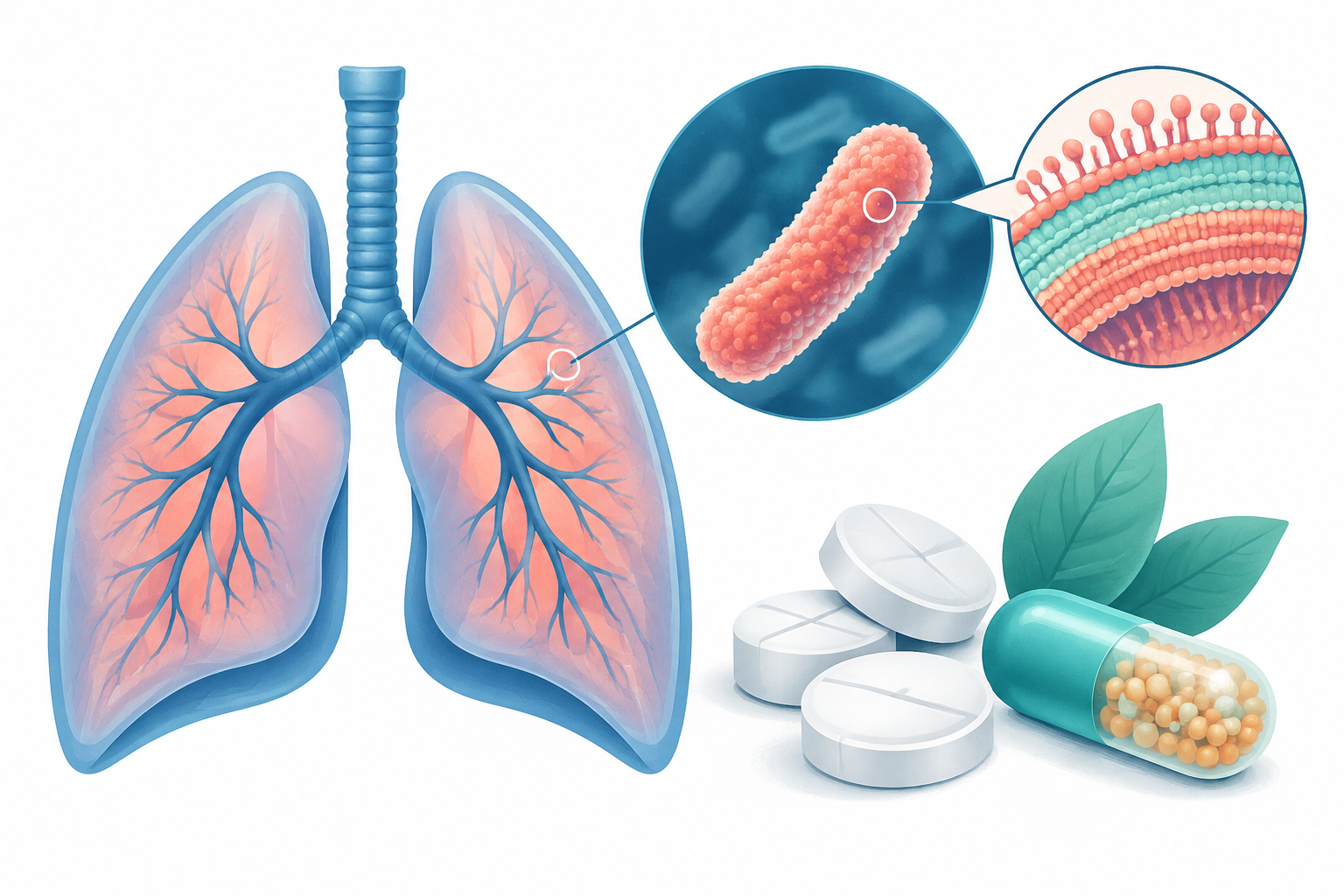
Rifampicin is an antibiotic used mainly to treat tuberculosis, or TB. It is also called rifampin. It belongs to the rifamycin group. For B.Pharma and D.Pharma students, it is an important drug for pharmacology revision.
Rifampicin is a first-line anti-TB drug. It kills susceptible bacteria and helps shorten TB treatment. However, active TB needs several effective medicines together. Rifampicin must not be used alone for active TB because resistance can develop quickly.
Other uses include:
- Leprosy, as part of multidrug treatment.
- Prevention of meningococcal disease in selected close contacts.
- Certain serious staphylococcal infections, with another suitable antibiotic.
Rifampicin alone can be used in some latent TB infection regimens. This is different from treating active TB. Active disease must first be excluded.
This guide is for study. Actual treatment depends on the diagnosis, body weight, liver health and local guidelines.
Dose Chart
The following are standard oral doses for common indications. They are not interchangeable between diseases.
| Drug / Form | Adult Dose | Child Dose |
|---|---|---|
| Rifampicin oral capsules or liquid: daily treatment of drug-susceptible TB | 10 mg/kg once daily; maximum 600 mg/day. Always use with other appropriate anti-TB drugs. | Usual target: 15 mg/kg once daily; accepted range 10–20 mg/kg/day. Maximum 600 mg/day. Use with other appropriate anti-TB drugs. |
| Rifampicin oral capsules or liquid: meningococcal contact prophylaxis | 600 mg every 12 hours for 2 days. | Age 1 month or older: 10 mg/kg every 12 hours for 2 days; maximum 600 mg per dose. Under 1 month: 5 mg/kg every 12 hours for 2 days, under specialist guidance. |
Important dose notes:
- TB treatment lasts months, not days. Follow the complete prescribed regimen.
- In India, follow current National Tuberculosis Elimination Programme guidance and the prescribed weight-band combination.
- Childhood doses must be calculated using current body weight.
- Meningococcal prophylaxis is for eligible contacts. It is not treatment for meningitis.
- Local resistance patterns may affect the choice of preventive antibiotic.
Rifampicin is usually taken on an empty stomach, one hour before or two hours after food. Food can reduce absorption. If stomach upset is troublesome, ask the treating team how to take it safely.
Do not double a missed dose. Repeated missed doses or restarting after a treatment gap need advice from the TB team.
How it Works
Rifampicin blocks bacterial DNA-dependent RNA polymerase. It binds to the beta subunit of this enzyme.
This stops the formation of bacterial RNA. Without RNA, the bacterium cannot make essential proteins normally. The drug has a bactericidal action against susceptible TB bacteria.
Remember the sequence:
RNA polymerase blocked → RNA synthesis blocked → bacterial growth and survival disrupted.
Rifampicin acts against different populations of TB bacilli. Its sterilising activity helps remove persistent organisms and reduce relapse when used in an effective combination regimen.
Resistance commonly involves mutations in the rpoB gene, which encodes the RNA polymerase beta subunit. The altered target binds rifampicin less effectively.
Do not confuse its target with DNA gyrase. DNA gyrase is a major target of fluoroquinolones, not rifampicin.
Side Effects
Common effects include nausea, abdominal discomfort and reduced appetite. Skin rash can also occur.
A famous effect is orange-red discolouration of urine, sweat, saliva and tears. This is usually harmless. However, tears may permanently stain soft contact lenses.
Important adverse effects include:
- Liver injury: Risk needs particular attention with other potentially hepatotoxic medicines.
- Flu-like syndrome: Fever, chills and muscle pain may occur, especially with intermittent treatment or irregular restarting.
- Thrombocytopenia: A rare immune reaction can cause unusual bruising or bleeding.
- Kidney injury or haemolysis: These are uncommon but serious reactions.
Jaundice, persistent vomiting, severe weakness, reduced urine or unusual bleeding need prompt medical assessment. Orange urine alone is different from liver injury. Dark urine with yellow eyes or pale stools is concerning.
Rifampicin also causes major drug interactions. It strongly induces several drug-metabolising enzymes and transporters. This can lower the effect of hormonal contraceptives, warfarin, some antifungals and many antiretroviral medicines.
Patients using hormonal contraception need advice about a reliable method unaffected by enzyme induction. Warfarin users may need closer INR monitoring. Interaction effects can continue after rifampicin is stopped.
3 Important Exam Points for GPAT
- Target and resistance: Rifampicin inhibits bacterial DNA-dependent RNA polymerase. Resistance commonly involves mutations in rpoB.
- Enzyme induction: It can reduce concentrations of many medicines. Remember the clinically important interactions with hormonal contraceptives and warfarin.
- Combination and colour: Never use it alone for active TB. Orange-red body fluids are a characteristic, usually harmless effect.
3 MCQs
1. Which enzyme is directly inhibited by rifampicin?
A. DNA gyrase
B. DNA-dependent RNA polymerase
C. Dihydrofolate reductase
D. Transpeptidase
Answer: B
2. Rifampicin may reduce warfarin's anticoagulant effect mainly because it:
A. Induces drug-metabolising enzymes
B. Blocks vitamin K absorption completely
C. Directly activates thrombin
D. Inhibits renal filtration
Answer: A
3. Which finding is a characteristic, usually harmless effect of rifampicin?
A. Severe spontaneous bleeding
B. Yellow sclera
C. Orange-red tears and urine
D. Markedly reduced urine output
Answer: C
FAQs
Why is rifampicin combined with other TB medicines?
Combination treatment attacks TB bacteria through different targets. It also reduces the chance of selecting resistant bacteria. The full regimen must be taken as prescribed.
Is orange urine a reason to stop rifampicin?
Usually, no. Orange-red urine is expected. However, jaundice, severe illness or bleeding needs medical review rather than being dismissed as a colour change.
Can rifampicin reduce contraceptive pill effectiveness?
Yes. Enzyme induction can reduce the effectiveness of many hormonal contraceptives. A clinician should advise on suitable alternatives or additional protection.
What is the easiest GPAT memory aid?
Remember “RNA, Rust colour, Reduced drug levels.” RNA points to its target. Rust recalls orange-red fluids. Reduced drug levels reminds you of enzyme induction.
Take Free Test on this Topic
Check what you learned with quick GPAT-style questions.
Start Free Test →Unlock all 14 Classifications and 50+ Mock Tests with our Student Pro plan.
Unlock NowFor educational use only — not medical advice. Always check doses with current prescribing information.