DrugClass
Medicine Guide
Dolo 650 Uses and Side Effects: Dose & GPAT Pharmacology Notes
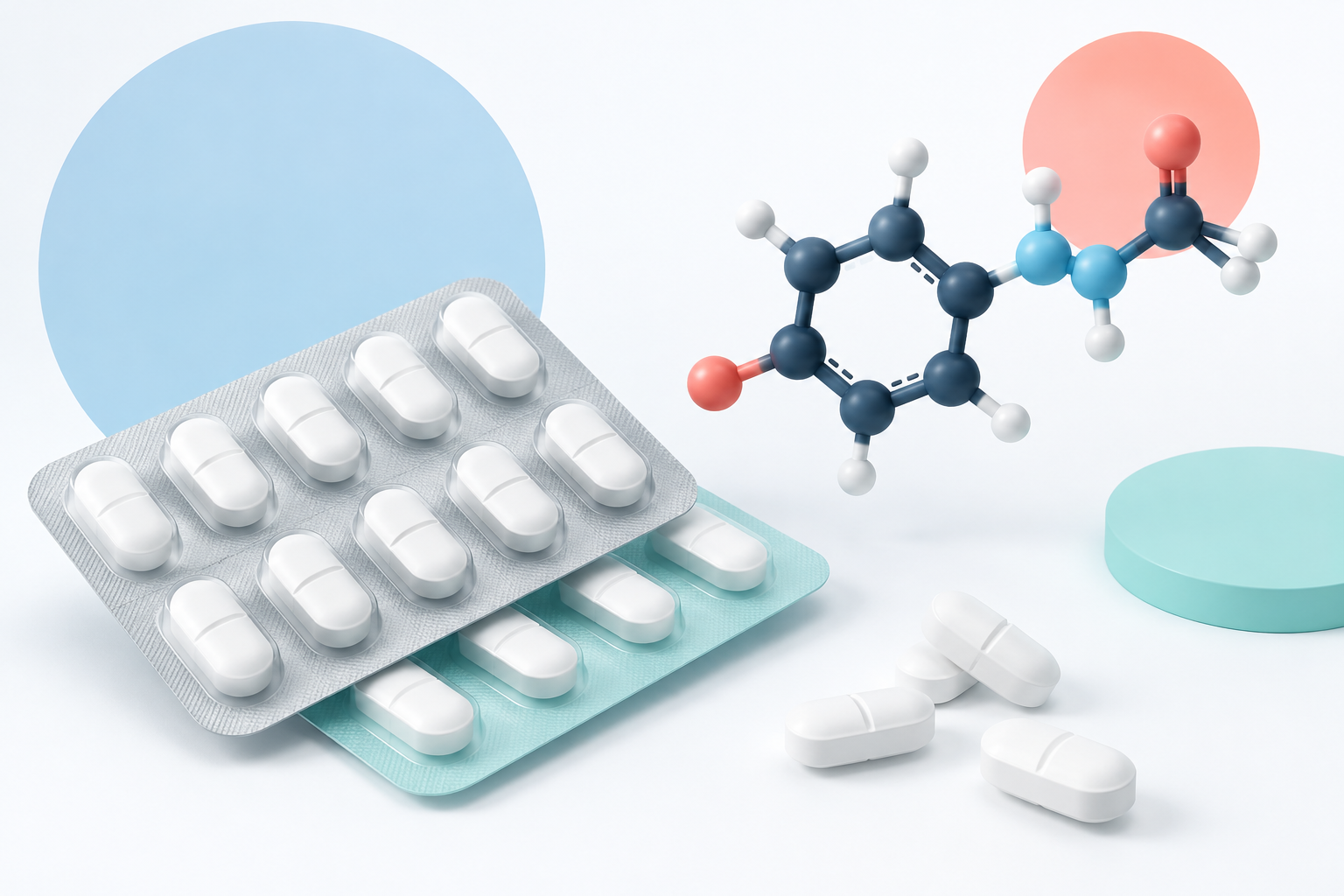
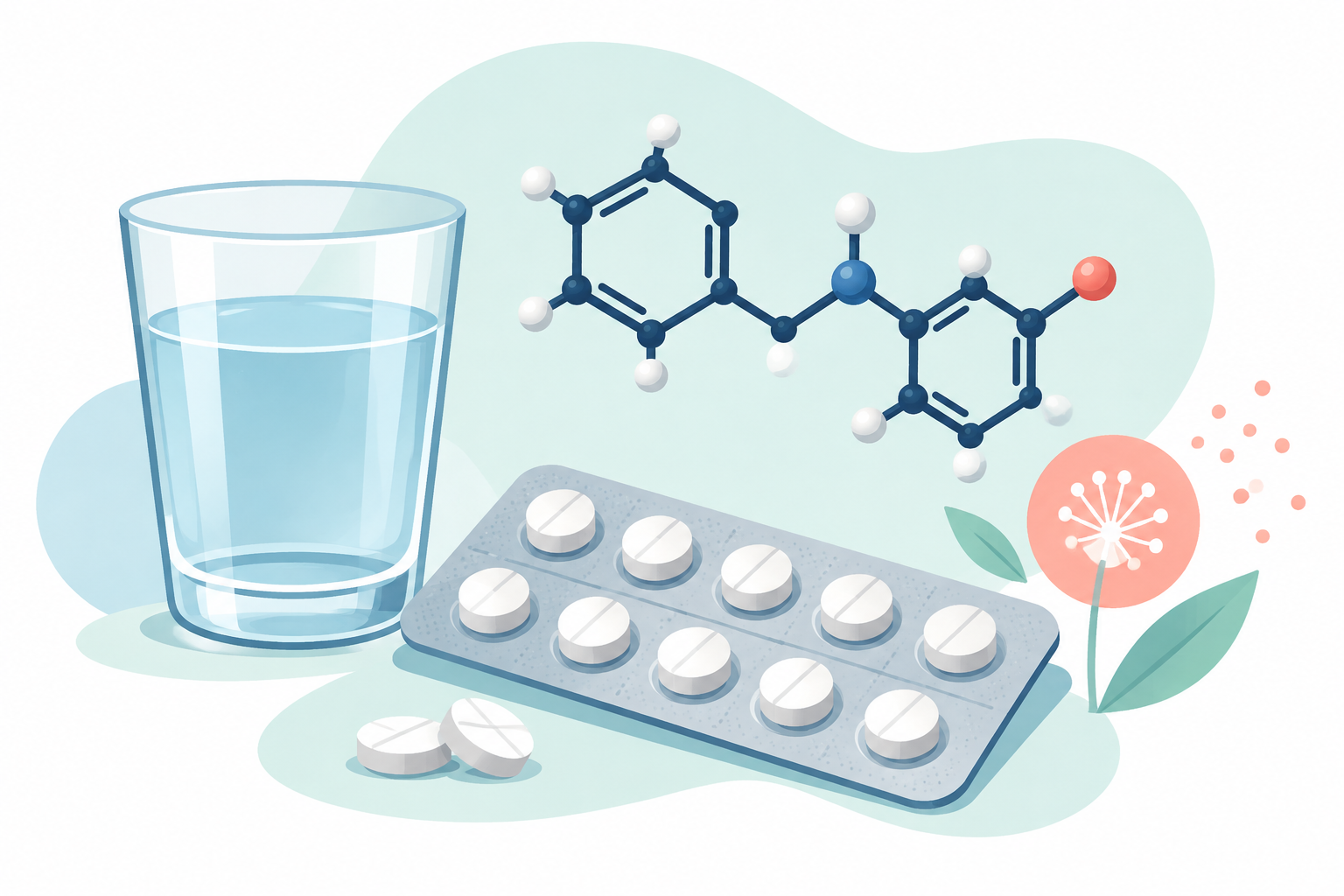
Dolo 650 contains paracetamol and is widely used to treat pain and fever. It acts mainly in the central nervous system by blocking prostaglandin synthesis. This guide explains its uses, correct dosing, toxic metabolites, and high-yield GPAT concepts.
What is it?
Dolo 650 is a widely prescribed oral medicine. It belongs to the class of non-opioid analgesics and antipyretics. The primary goal of this medicine is to reduce high body temperature and relieve mild to moderate pain.
Unlike traditional non-steroidal anti-inflammatory drugs (NSAIDs), Dolo 650 has very weak peripheral anti-inflammatory properties. Therefore, doctors do not use it as a primary drug for swelling or severe joint inflammation.
Common clinical indications include:
- Acute fever due to viral or bacterial infections
- Tension headaches and migraine episodes
- Dental pain
- Muscle ache (myalgia)
- Dysmenorrhea (period pain)
- Mild pain in osteoarthritis
Salt and Composition
The active pharmaceutical ingredient (API) in Dolo 650 is Paracetamol. It is also internationally known as Acetaminophen or N-acetyl-p-aminophenol (APAP).
Each uncoated tablet of Dolo 650 contains:
- Paracetamol IP: 650 mg
- Inactive excipients: Starch, povidone, magnesium stearate, and preservatives.
Common Strengths Available
- Tablets: 325 mg, 500 mg, 650 mg, 1000 mg (sustained release).
- Syrup / Suspension: 120 mg/5 mL, 250 mg/5 mL.
- Paediatric Drops: 100 mg/mL.
- Intravenous Infusion: 10 mg/mL (100 mL vials).
- Suppositories: 80 mg, 170 mg, 250 mg.
Other Well-Known Brand Names
- Calpol (GSK)
- Crocin (Haleon)
- Pacimol (Ipca)
- P-650 (Apex)
- Tylenol (Johnson & Johnson - Global)
Dose Chart
Proper dosing prevents drug-induced liver injury. Always adhere to standard pharmacological guidelines.
| Drug / Form | Adult Dose | Child Dose |
|---|---|---|
| Paracetamol 650 mg Tablet | 1 tablet every 4 to 6 hours as needed (Max: 4000 mg/day) | Not recommended for children under 12 years |
| Paracetamol 500 mg Tablet | 1 to 2 tablets every 4 to 6 hours (Max: 4000 mg/day) | Children 6–12 years: 250 mg to 500 mg every 4 to 6 hours |
| Paracetamol Suspension (250 mg/5 mL) | 10 to 20 mL every 4 to 6 hours | 10 to 15 mg/kg per dose every 4 to 6 hours (Max: 60 mg/kg/day) |
| Paracetamol IV Infusion (10 mg/mL) | 1000 mg infused over 15 minutes every 6 hours (Max: 4000 mg/day) | 15 mg/kg per dose for patients weighing less than 50 kg |
Note: In chronic alcoholics or patients with hepatic impairment, the adult daily ceiling dose is reduced to 2000 mg to 2600 mg per day.
How it Works in the Human Body
Paracetamol exerts its antipyretic and analgesic action primarily through actions in the central nervous system (CNS).
Step 1: Crossing the Blood-Brain Barrier
After oral intake, paracetamol is rapidly absorbed in the small intestine. It passes through the blood-brain barrier into the central nervous system.
Step 2: Inhibition of Prostaglandin Synthesis
In the brain, the drug inhibits the cyclooxygenase (COX) enzyme pathways. It blocks both COX-1 and COX-2 variants centrally. Some studies also propose the inhibition of a splice variant often referred to as COX-3.
Step 3: Lowering the Thermoregulatory Set-Point
During infection, endogenous pyrogens (like Interleukin-1) trigger the preoptic area of the hypothalamus. This triggers prostaglandin E2 (PGE2) release. PGE2 raises the hypothalamic temperature set-point, causing fever. By stopping PGE2 production in the hypothalamus, paracetamol resets the thermostat back to normal. Cutaneous blood vessels dilate, sweating increases, and heat dissipates quickly.
Step 4: Analgesic Action via Pain Pathways
Paracetamol reduces pain signals by blocking central prostaglandin production. It also stimulates descending serotonergic inhibitory pain pathways and activates cannabinoid receptors (via its active metabolite AM404).
Why does it fail at peripheral inflammation?
Peripheral inflamed tissues contain high levels of cellular peroxides. These peroxides inactivate the active form of paracetamol. Thus, it cannot inhibit COX enzymes effectively at peripheral inflammatory sites.
Side Effects
At therapeutic doses, paracetamol is generally very safe and well tolerated.
Common Side Effects
- Mild nausea
- Epigastric discomfort
- Mild drowsiness
- Allergic skin eruptions or erythema
Adverse Effects of Overdose / Toxicity
- Hepatotoxicity: Centrilobular hepatic necrosis happens when doses cross 10 grams to 15 grams in a single day.
- Acute Renal Failure: Renal tubular necrosis can accompany severe hepatic failure.
- Metabolic Acidosis: Due to lactic acid accumulation.
- Hematological Effects: Rare instances of leucopenia, neutropenia, or thrombocytopenia.
3 Important Exam Points for GPAT
- Toxic Metabolite and Detoxification: At normal doses, 90% of paracetamol undergoes glucuronidation and sulfation. Around 5% to 10% is metabolized by CYP2E1 into a toxic intermediate called NAPQI (N-acetyl-p-benzoquinone imine). Glutathione detoxifies NAPQI. When glutathione falls below 30% of normal levels, NAPQI binds covalently to hepatic proteins, causing cell necrosis.
- Specific Antidote: The specific antidote for paracetamol poisoning is N-Acetylcysteine (NAC). NAC acts as a glutathione substitute and replenishes hepatic glutathione stores. It works best if administered within 8 to 10 hours of ingestion. Intravenous or oral regimens follow the standard Rumack-Matthew nomogram.
- Drug of Choice in Viral Fevers in Children: Aspirin causes Reye's syndrome (hepatic fatty change and encephalopathy) in children suffering from chickenpox or influenza. Therefore, paracetamol is the analgesic-antipyretic of choice in pediatric patients with viral illnesses.
3 MCQs
Q1. Which cytochrome P450 enzyme is predominantly responsible for converting paracetamol into the toxic metabolite NAPQI?
- A) CYP3A4
- B) CYP2E1
- C) CYP2D6
- D) CYP1A2
Answer: B
Q2. What is the standard intravenous antidote used to manage acute paracetamol hepatotoxicity?
- A) Flumazenil
- B) Deferoxamine
- C) N-Acetylcysteine
- D) Pralidoxime
Answer: C
Q3. Paracetamol produces marked antipyretic action but lacks marked anti-inflammatory action because:
- A) It cannot cross the blood-brain barrier
- B) High peroxide concentrations in peripheral tissues inactivate it
- C) It only acts on peripheral histamine receptors
- D) It selectively activates lipoxygenase enzymes
Answer: B
FAQs
Can Dolo 650 be taken on an empty stomach?
Yes, paracetamol can be taken without food. However, taking it with a glass of water after food reduces rare instances of stomach irritation.
What is the maximum daily safe dose of Dolo 650 for adults?
The absolute maximum daily dose of paracetamol in healthy adults is 4000 mg (equal to 6 tablets of Dolo 650 in 24 hours). Exceeding this limit increases the risk of severe liver damage.
Why is Dolo 650 preferred over Ibuprofen for dengue fever?
Dengue infection lowers platelet counts and causes bleeding risks. Ibuprofen inhibits platelet aggregation and damages the gastric mucosa. Paracetamol does not impair platelet function, making it the safer choice for fever in dengue.
Take Free Test on this Topic
Check what you learned with quick GPAT-style questions.
Start Free Test →Unlock all 14 Classifications and 50+ Mock Tests with our Student Pro plan.
Unlock NowFor educational use only — not medical advice. Always check doses with current prescribing information.