DrugClass
Disease and its Treatment
Metformin, SGLT2 and DPP-4 Inhibitors: GPAT Exam Guide
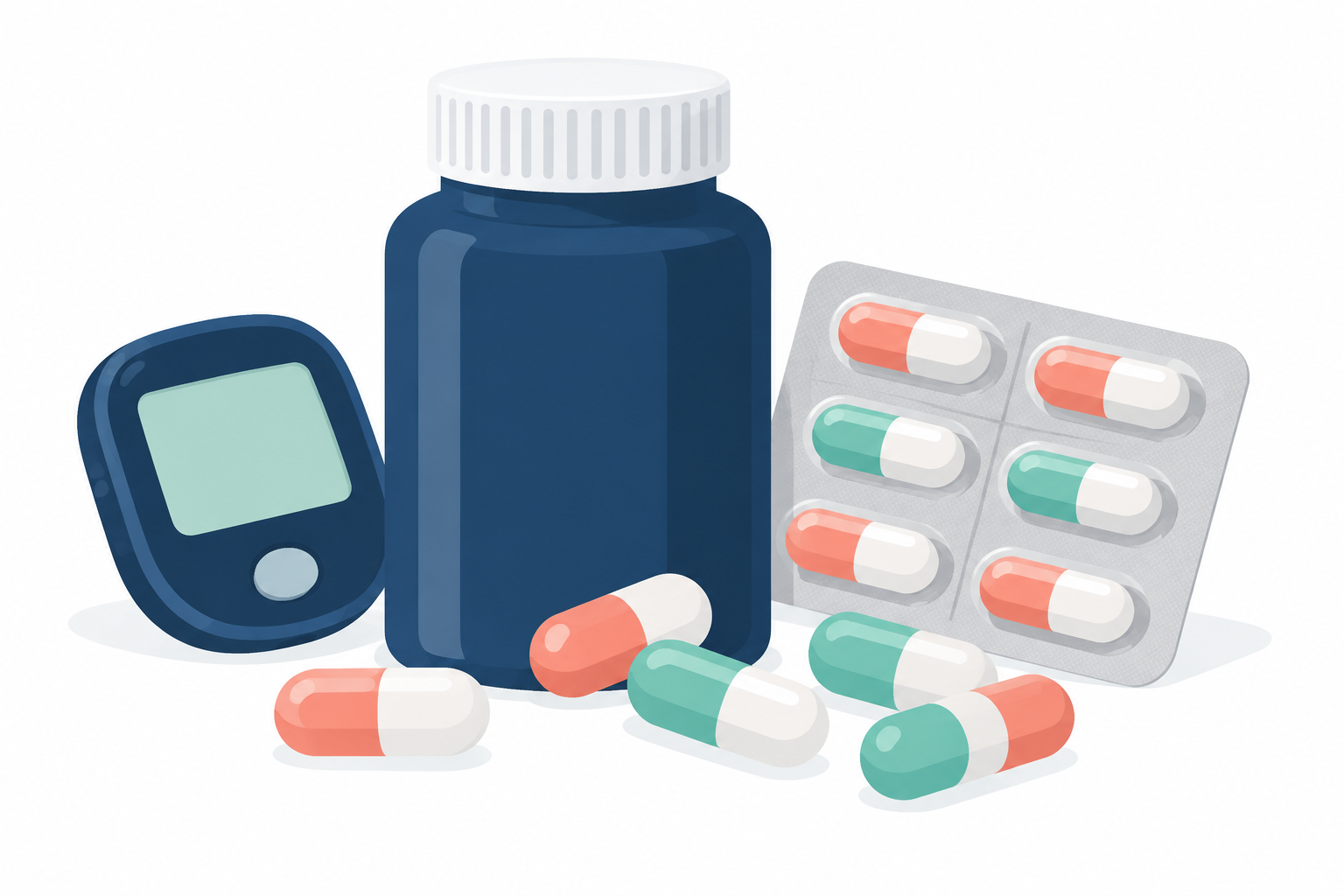
Metformin, SGLT2 inhibitors, and DPP-4 inhibitors represent the cornerstone of modern oral type 2 diabetes management. This study guide breaks down their mechanisms of action, clinical doses, adverse effects, and key pharmacology points. Use the comparison table and high-yield notes to excel in GPAT, NIPER, and pharmacy board exams.
Introduction to Modern Antidiabetic Therapy
Type 2 diabetes mellitus (T2DM) is characterized by progressive insulin resistance and beta-cell dysfunction. Managing blood glucose levels requires medications that target different metabolic pathways. Among modern oral antidiabetic drugs, three drug classes stand out: biguanides (metformin), sodium-glucose co-transporter 2 (SGLT2) inhibitors, and dipeptidyl peptidase-4 (DPP-4) inhibitors.
For pharmacy and medical students preparing for GPAT, NIPER, and board examinations, questions frequently focus on molecular targets, organ-specific benefits, dose adjustments, and distinct adverse effect profiles.
Metformin: The First-Line Biguanide
Metformin remains the universally recommended first-line oral hypoglycemic drug for type 2 diabetes unless specific contraindications exist.
Mechanism of Action
- AMPK Activation: Metformin activates adenosine monophosphate-activated protein kinase (AMP-activated protein kinase or AMPK) in hepatocytes.
- Inhibition of Gluconeogenesis: Activated AMPK suppresses the expression of key gluconeogenic genes, reducing hepatic glucose output.
- Peripheral Insulin Sensitivity: It enhances peripheral glucose uptake and utilization in skeletal muscle by promoting GLUT4 transporter translocation.
- Intestinal Glucose Absorption: It delays intestinal glucose absorption and increases anaerobic glycolysis in the gut wall.
- Insulin-Independent: Metformin does not stimulate insulin secretion from pancreatic beta cells. Therefore, it does not cause hypoglycemia when used as monotherapy.
Standard Doses and Administration
- Starting dose: 500 mg orally once or twice daily with meals to minimize gastrointestinal discomfort.
- Maintenance dose: 1500 mg to 2000 mg daily in divided doses.
- Maximum dose: 2550 mg per day.
Adverse Effects and Clinical Pearls
- Gastrointestinal Disturbance: Anorexia, nausea, abdominal cramps, and osmotic diarrhea affect up to 20% of patients.
- Vitamin B12 Deficiency: Long-term therapy reduces intestinal absorption of vitamin B12 by interfering with calcium-dependent membrane action in the ileum.
- Lactic Acidosis: A rare but fatal complication caused by the inhibition of mitochondrial respiration and gluconeogenesis from lactate. It is contraindicated if the estimated glomerular filtration rate (eGFR) falls below 30 mL/min/1.73 m².
SGLT2 Inhibitors: The Gliflozins
SGLT2 inhibitors are oral hypoglycemic agents that work through an insulin-independent renal pathway. Common drugs include empagliflozin, dapagliflozin, and canagliflozin.
Mechanism of Action
- Inhibition of Renal Glucose Reabsorption: SGLT2 is a high-capacity, low-affinity transporter located in the S1 segment of the renal proximal convoluted tubule (PCT). It reabsorbs roughly 90% of filtered glucose.
- Glucosuria: Gliflozins selectively inhibit SGLT2, lowering the renal threshold for glucose and promoting the excretion of 60 to 80 grams of glucose in urine daily.
- Secondary Benefits: Glucosuria leads to net caloric loss (weight loss) and osmotic diuresis (mild reduction in systolic blood pressure).
Standard Doses
- Empagliflozin: 10 mg orally once daily in the morning; can be increased to 25 mg once daily.
- Dapagliflozin: 10 mg orally once daily.
- Canagliflozin: 100 mg orally once daily before the first meal; max 300 mg daily.
Adverse Effects and Clinical Pearls
- Genital Mycotic Infections: Vulvovaginal candidiasis in women and balanitis in men due to glucosuria.
- Urinary Tract Infections (UTIs): Increased risk of bacterial cystitis.
- Euglycemic Diabetic Ketoacidosis (euDKA): Can present with near-normal blood glucose levels (<250 mg/dL), triggered by illness, surgery, or low carbohydrate intake.
- Cardio-Renal Protection: Proven to reduce heart failure hospitalizations and slow the progression of chronic kidney disease (CKD).
DPP-4 Inhibitors: The Gliptins
DPP-4 inhibitors are oral incretin enhancers that augment endogenous physiological glucose regulation. Key members include sitagliptin, vildagliptin, linagliptin, and saxagliptin.
Mechanism of Action
- Inhibition of DPP-4 Enzyme: Incretin hormones such as glucagon-like peptide-1 (GLP-1) and glucose-dependent insulinotropic polypeptide (GIP) are released by intestinal L and K cells after meals. DPP-4 rapidly degrades them.
- Prolonged Incretin Action: Gliptins competitively block the DPP-4 enzyme, extending the biological half-life of GLP-1 and GIP.
- Glucose-Dependent Action: Elevated incretins stimulate insulin release from beta cells and suppress glucagon release from alpha cells only when blood glucose is elevated.
- Weight Neutrality: Unlike GLP-1 receptor agonists, DPP-4 inhibitors do not significantly delay gastric emptying or promote satiety; hence, they are weight-neutral.
Standard Doses
- Sitagliptin: 100 mg orally once daily.
- Vildagliptin: 50 mg orally twice daily.
- Linagliptin: 5 mg orally once daily.
- Saxagliptin: 2.5 mg to 5 mg orally once daily.
Adverse Effects and Clinical Pearls
- Pancreatitis: Rare post-marketing reports of acute pancreatitis.
- Nasopharyngitis & Headache: Commonly reported mild upper respiratory symptoms.
- Joint Pain: Severe, disabling arthralgia has been observed.
- Renal Sparing Feature: Linagliptin is eliminated mainly via the enterohepatic/biliary route and requires no dose adjustment in renal impairment.
Comparative Pharmacology Chart
| Feature | Metformin (Biguanide) | SGLT2 Inhibitors (Gliflozins) | DPP-4 Inhibitors (Gliptins) |
|---|---|---|---|
| Primary Target | AMPK activation / Hepatic mitochondria | SGLT2 transporter in renal PCT | Dipeptidyl peptidase-4 enzyme |
| Effect on Weight | Modest weight loss or neutral | Significant weight loss (caloric loss) | Weight neutral |
| Hypoglycemia Risk | Very low (monotherapy) | Very low (monotherapy) | Very low (glucose-dependent) |
| Cardiovascular Impact | Neutral / Potential long-term benefit | Proven reduction in HF hospitalizations | Neutral (Saxagliptin increases HF risk) |
| Elimination Route | Renal (active tubular secretion) | Hepatic metabolism / Renal | Linagliptin: Biliary; Others: Renal |
| Key Adverse Effects | Diarrhea, lactic acidosis, B12 drop | Genital candidiasis, euDKA, dehydration | Nasopharyngitis, joint pain, pancreatitis |
High-Yield Points for GPAT & NIPER
- SGLT1 vs. SGLT2: SGLT1 is located mainly in the small intestine (reabsorbs glucose and galactose); SGLT2 is found in the S1 segment of the renal PCT.
- Canagliflozin Unique Warning: Previously carried an FDA black box warning regarding an increased risk of lower limb amputations.
- Linagliptin Advantage: Linagliptin is the only major DPP-4 inhibitor that can be prescribed at full dose without dose titration in patients with renal failure.
- Metformin Contraindication Cutoff: Avoid initiating metformin if eGFR is 30–45 mL/min/1.73 m²; completely contraindicated if eGFR is <30 mL/min/1.73 m².
- Euglycemic DKA Marker: Always test urine or serum ketones in symptomatic patients taking SGLT2 inhibitors even if blood glucose appears normal.
Test Yourself: 5 MCQs
1. Which of the following is the primary cellular mechanism of action of metformin?
2. Which DPP-4 inhibitor is primarily excreted via the bile and does not require dose adjustment in renal failure?
3. Where is the SGLT2 co-transporter predominantly localized in the human nephron?
4. Which serious adverse effect is characteristically associated with SGLT2 inhibitors even when blood glucose is normal or only mildly elevated?
5. What is the primary effect of DPP-4 inhibitors on patient body weight?
Take Free Test on this Topic
Check what you learned with quick GPAT-style questions.
Start Free Test →Unlock all 14 Classifications and 50+ Mock Tests with our Student Pro plan.
Unlock NowFor educational use only — not medical advice. Always check doses with current prescribing information.